New Book 'Boss Lincoln' Reveals Abraham Lincoln as a Master Political Strategist
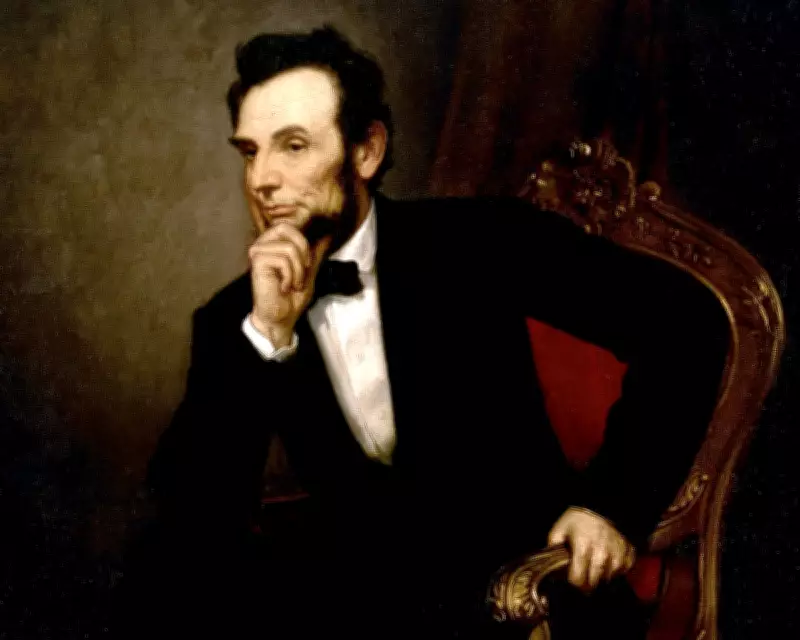
In a groundbreaking new work, historian Matthew Pinsker of Dickinson College challenges conventional views of Abraham Lincoln, presenting him not just as a revered president but as a shrewd and independent political operator. Titled Boss Lincoln: The Partisan Life of Abraham Lincoln, the book delves into Lincoln's career from his early days as a Whig in the 1840s through his leadership during the Civil War, highlighting his adeptness at party politics and behind-the-scenes maneuvering.
Drawing Inspiration from History in a Democratic Crisis
Pinsker does not shy away from drawing parallels between Lincoln's era and contemporary political challenges. "I'm not running away from it, that's for sure," he stated from Carlisle, Pennsylvania. "We're in a moment of crisis for democracy, and Lincoln is arguably the greatest democratic politician in history. It's fair to try to draw inspiration from him for Democrats, Republicans, independents, and even the disaffected." He emphasizes that while historical analogies have limitations, Lincoln's humanity and imperfections offer valuable lessons for today's leaders.
Contrasting Lincoln with Modern Figures
The book invites comparisons, such as between Lincoln's frugality and Donald Trump's lavish White House renovations. Pinsker notes that Lincoln was furious over his wife's overspending on the White House, calling it "flub-dubs" for a "damned old house," whereas Trump embraces such extravagance. This contrast underscores Lincoln's belief that the White House belongs to the American people, a stark difference from Trump's perceived ownership of the country.

Lincoln's Approach to Supreme Court and Scandals
When asked how Lincoln might handle modern issues, Pinsker points to his respect for the Supreme Court as the ultimate legal arbiter, despite disagreeing with decisions like Dred Scott. "Lincoln understood that the solution was to win elections and appoint new justices," Pinsker explains. On scandals like the Jeffrey Epstein case, he admits Lincoln had no direct precedent but asserts that Lincoln would have removed any cabinet officer violating his moral beliefs, highlighting the shameful nature of such affairs.
Unearthing New Evidence and Digital Insights
Boss Lincoln builds on years of research, with Pinsker teasing that his sons joked the book had its own bar mitzvah due to its long gestation. "The key to writing new things is to find new evidence," he says, noting that discoveries of private Lincoln documents in archives and attics have revealed a different side of him. The digital age has enabled historians like Pinsker to connect fragments more easily, offering richer insights into behind-the-scenes politics.
Strategic Moments and Political Genius
The book explores Lincoln's strategic prowess, such as the Blind Memorandum of August 1864, where he secretly planned for potential election loss to save the Union. "That shows Lincoln at his greatest," Pinsker asserts, describing him as an independent strategist who operated alone. He also corrects popular misconceptions, like the portrayal of bribery in Steven Spielberg's film Lincoln, arguing that the 13th amendment's passage did not require such tactics.
Overlooked Influencers and Key Endorsements
Pinsker highlights the role of Anna Dickinson, a young Quaker speaker whose 1864 address to Congress solidified Lincoln's hold on power. "Her endorsement for Lincoln, delivered in Congress, was an important turning point," he notes, with recent digitized findings by a student providing the fullest account of her speech, met with "tremendous and long-continued applause." This underscores how new sources continue to reshape our understanding of Lincoln's political network.
Published by WW Norton & Company, Boss Lincoln offers a compelling reevaluation of a historical giant, emphasizing his partisan acumen and relevance in today's turbulent political landscape.