Jeff Bezos' Washington Post Crisis: From Stewardship to Self-Destruction
Bezos' Washington Post Crisis: Stewardship to Self-Destruction

For an extended period, Jeff Bezos appeared to embrace his role as proprietor with genuine seriousness. He demonstrated a clear comprehension of the monumental stakes involved in stewarding one of America's most revered journalistic institutions.

The Unthinkable Demolition of a National Treasure

Is Jeff Bezos on the path to destroying the Washington Post? The evidence increasingly suggests this alarming possibility. He possesses the unique opportunity to serve as guardian of a national treasure, yet current actions indicate he is squandering this privilege in spectacular fashion.

Consider this analogy: would you inherit a priceless Stradivarius violin, carefully maintain it for several years, then deliberately take a hammer to its exquisite craftsmanship? Alternatively, imagine acquiring the legendary Hope diamond, displaying it in an elegant velvet case, only to cast the entire ensemble into the Potomac River's depths.

These seemingly incomprehensible acts of destruction parallel what Bezos is currently orchestrating at the Washington Post, where self-inflicted wounds threaten to cause potentially irreversible damage to this legendary newspaper's foundation and reputation.

An Insider's Perspective on the Devastation

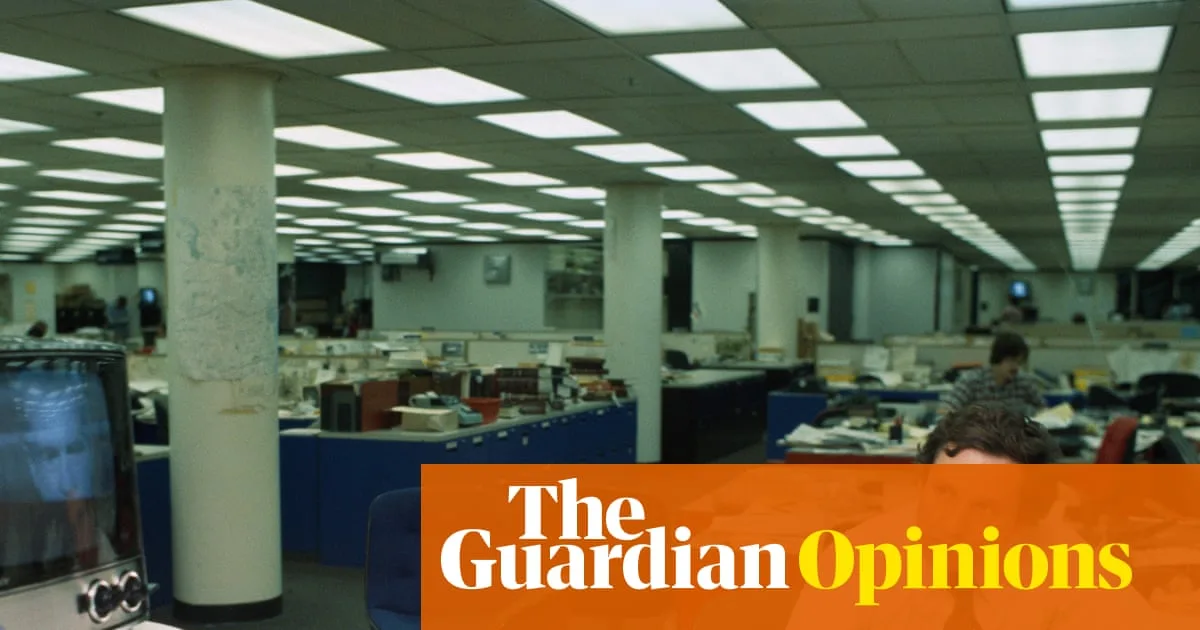
Having served on the Post's staff for six years until 2022 as media columnist, after decades of admiration for the publication, I experienced firsthand what made this newsroom extraordinary. It represented an inspiring workplace environment where I developed intimate understanding of both its dedicated readership and talented personnel from within.

Witnessing the current deterioration, ongoing for more than a year now, proves genuinely heartbreaking. As another substantial round of newsroom layoffs looms ominously—losses that would further cripple an already severely diminished staff—Bezos is pursuing what should remain unthinkable for any responsible owner.

He persists in this damaging trajectory precisely when robust, fact-based journalism assumes unprecedented importance across America and throughout the global landscape.

The Trump-Related Turning Point

The decisive shift commenced earnestly when Bezos—apparently attempting to safeguard his broader commercial interests—suppressed a draft editorial endorsing Kamala Harris for president. Regardless of personal opinions regarding endorsement editorials, the timing proved disastrous, occurring at the eleventh hour shortly before the 2024 election.

Predictably, substantial numbers of Post subscribers cancelled their memberships, expressing disgust at what appeared as blatant efforts to appease Donald Trump at the expense of editorial independence.

Subsequently, even more subscribers departed when Bezos clarified his desire for the opinion section to execute a sharp rightward pivot. Several of the nation's most distinguished columnists exited, while accomplished cartoonist Ann Telnaes left after attempting to publish artwork depicting Bezos and similar figures cozying up to Trump.

The Talent Exodus and Financial Paradox

On the news reporting side, numerous star reporters and editors departed for prestigious outlets including the Atlantic, the New York Times, and the Wall Street Journal. Bezos has only continued along this misguided path, with Amazon contributing to Trump's inauguration and allocating an astonishing $40 million toward a regrettable Melania Trump documentary currently failing to attract audiences.

While accurate that the Post experiences financial losses—approximately $100 million annually—Bezos possesses undeniable capacity to simply support the newspaper. For an individual whose net worth approaches an essentially inexhaustible $250 billion, this amount represents mere pocket change, or as statistics expert Nate Silver characterized it, "a rounding error."

Silver recently observed that the Post has dramatically lost influence, or "mind share," after alienating substantial portions of its core audience, altering coverage approaches, and experiencing massive talent depletion.

Alternative Paths and Historical Context

Financial losses are far from inevitable when examining comparable organizations. Consider the New York Times, currently profitable and expanding operations, or Guardian US, similarly thriving in today's media landscape.

Less than ten years ago, the Post reportedly operated profitably—though it doesn't publicly disclose finances as a privately held entity—while producing powerful accountability journalism during the initial Trump administration under editor Marty Baron. During this period, it competed successfully for major scoops and elite talent against its arch-rival, the Times.

Instead of building upon this foundation, Bezos's personally selected publisher, Will Lewis, has pursued opposite strategies, despite Post journalists continuing to produce and publish exceptional journalism daily while securing their full share of exclusive stories.

The Stewardship That Once Was

When Bezos acquired the Post in 2013, he secured a remarkable bargain at merely $250 million, suddenly presenting the Amazon co-founder with opportunity to become something far more significant than another billionaire.

He gained chance to steward a genuine national treasure, a storied news organization boasting talent arguably unmatched nationally and perhaps globally. This newspaper earned countless Pulitzer prizes, including recognition for uncovering the Watergate scandal and breaking Edward Snowden revelations alongside the Guardian, plus honors for cultural writing and international coverage excellence.

For years, Bezos appeared to embrace this responsibility with appropriate seriousness, demonstrating understanding of the monumental stakes involved. When Post Tehran bureau chief Jason Rezaian faced capture and prolonged imprisonment in Iran, Bezos actively engaged in securing his freedom, celebrating alongside staff and Rezaian's family upon success.

When Trump, during his first administration, threatened the Post while disparaging its owner personally, Bezos refused to buckle under pressure. Remarkably, he even grasped how to communicate with journalists regarding their democratic mission, striking appropriate tone by encouraging the proud, energetic staff to embrace "badass" attitudes while regaining momentum after surviving difficult periods.

The Crucial Crossroads

Now, however, priorities appear shifted toward financial turnaround while maintaining Trump's favorable disposition. The preferable path involves this billionaire reversing his own trajectory, healing self-inflicted wounds, and enabling Washington Post journalism to not merely survive but thrive during this critical juncture for American democracy.

It remains entirely comprehensible that Bezos desires the Post to achieve self-sustainability. Pathways existed toward this objective without demolishing the newspaper and alienating its core readership. Perhaps staff reductions and resource reevaluation proved necessary—but not through draconian measures that severely weaken foundational coverage areas like foreign reporting or sports journalism.

The current moment demands decisive corrective action to preserve what made this institution extraordinary while adapting to contemporary media realities without sacrificing journalistic integrity or independence.