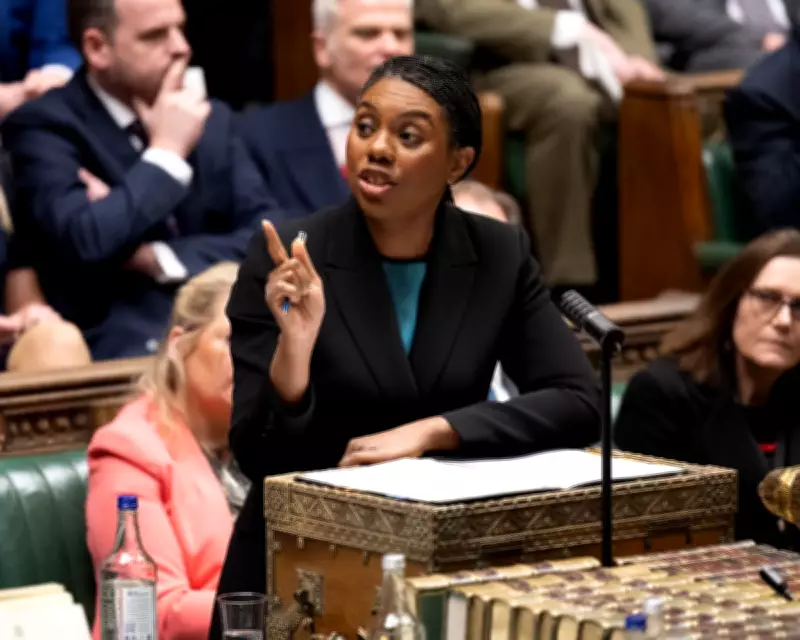
Kemi Badenoch's PMQs Performance Sparks Outrage During Iran Crisis Discussion
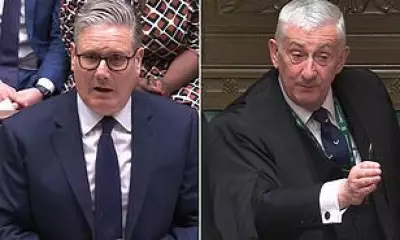
During a critical Prime Minister's Questions session focused on escalating tensions in the Middle East, Business Secretary Kemi Badenoch delivered what political observers have described as a "borderline disgraceful" performance that highlighted a stark contrast with Opposition Leader Keir Starmer's measured approach.
A Battle Between Sanity and Distorted Reality
The Wednesday session took place against the backdrop of what commentators termed "Donald Trump's Awfully Big Iranian Adventure," with fears mounting about potential all-out war in the region. Badenoch's approach transformed the parliamentary exchange into what appeared to be a battle between Starmer's sanity and what one sketch writer characterized as "the distorted reality of an angry teenager."
Observers noted that while Starmer adopted the serious tone the international crisis demanded, Badenoch seemed to operate in an entirely different dimension. Her performance raised questions about her suitability as a potential future Conservative leader, with some suggesting she might rank as "the worst leader of the Tory party in living memory."

Fundamental Differences in Approach to International Crisis
The clash revealed fundamental differences in how the two politicians approach international relations during times of potential conflict. Starmer demonstrated the approach he had previously shown during the early days of the Ukraine conflict, where he offered unequivocal support to then-Prime Minister Boris Johnson in what was described as "acting in the national interest."
In contrast, Badenoch appeared to advocate for immediate, wholehearted British support for any potential US military action against Iran, seemingly unconcerned with what one commentator termed "counting the body bags later." Her position suggested that anything less than all-out war would represent weakness, while expressing concern about Donald Trump's potential lack of strategic planning would undermine the Special Relationship between the UK and US.
Starmer's Measured Response Versus Badenoch's Escalation Rhetoric
Starmer began the session with what amounted to almost a public service broadcast, prioritizing the protection of UK nationals in the region and demonstrating careful consideration of the geopolitical ramifications. His takeaways from recent developments included recognition that after Iraq, "taking the country into another illegal war might not be the smartest move" and understanding the unpredictable nature of US foreign policy under Trump.
Badenoch quickly ramped up the intensity, declaring that "no one wants to see an escalation" while simultaneously questioning why Britain hadn't already escalated military action. She suggested there was "no part of Iran that we shouldn't be bombing," despite admitting uncertainty about why escalation was necessary beyond it being "much more exciting" and providing her with "a sense of purpose."
Embarrassing Missteps and Factual Errors
The session deteriorated further for Badenoch as she demonstrated apparent ignorance about the missile capabilities of F35 fighter jets before launching into what observers described as "an all-out rant" about the state of British armed forces. She blamed what she called "a dereliction of duty by the Labour government," seemingly unaware that defense cuts occurred during fourteen years of Conservative governance.
Starmer calmly corrected these misconceptions, prompting visible agitation from Shadow Defence Secretary James Cartlidge, who gripped his Ukraine flag lapel pin. As Starmer attempted to provide updates on evacuating UK nationals from the Gulf region, Badenoch appeared outraged by this humanitarian focus, suggesting that Britons working or holidaying abroad "deserve anything that comes your way."
Policy Proposals That Raised Eyebrows
Badenoch returned to her central theme with increasingly controversial proposals, claiming Starmer had diverted armed services funding to "scroungers on benefits" and suggesting Tory policy should suspend all benefits for at least two months to purchase "loads of missiles and bombs." She concluded her performance with what one observer described as "a wide grin on her face" and "the look of a job well done," seemingly unaware of how her performance had been received.

Broader Conservative Disconnect From Public Sentiment
The session also highlighted broader issues within Conservative ranks, with MP Gareth Bacon questioning the nature of the Special Relationship only to receive what was described as having "his arse handed to him on a plate" when reminded that the relationship involves mutual defense and intelligence sharing rather than "following Donald Trump around like a lap dog."
Political analysts noted that the Tory right appeared "so out of touch with the country" on foreign policy matters, with the session serving as a stark reminder of what might occur if figures like Badenoch or Nigel Farage occupied Downing Street during international crises. While Starmer has faced domestic criticism as Prime Minister, observers suggested the country would be in a far more precarious position with less experienced hands guiding foreign policy during volatile international situations.
The performance raised serious questions about political leadership during times of international crisis and highlighted the importance of measured, informed responses to complex geopolitical challenges rather than what one commentator termed "the unbearable lightness of Kemi."