Angus Taylor Asserts Liberal Leadership with Focus on Immigration and Reform
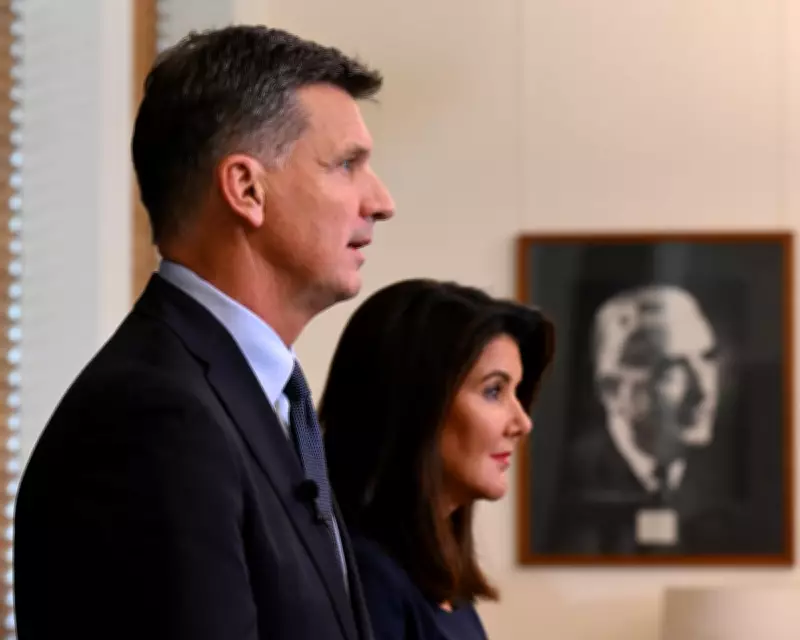
Angus Taylor, the newly elected leader of the opposition Liberal Party, alongside his deputy Jane Hume, has openly acknowledged significant missteps from the last election campaign. In his inaugural press conference as leader, Taylor emphasized the urgent need for the party to evolve, stating it must "change or die," while outlining initial policy directions centered on migration and economic concerns.
Learning from Electoral Defeats and Setting a New Course
Taylor and Hume have candidly reflected on unpopular decisions that contributed to the Coalition's recent electoral loss. These included opposing Labor's income tax cuts and advocating for restrictions on work-from-home arrangements for public servants, policies that were widely criticized and later abandoned during the campaign. Hume has since confirmed that such approaches were errors and will not be revisited in future elections.
Following a partyroom spill that ousted former leader Sussan Ley, Taylor now leads a diminished parliamentary party facing record-low public support, strained Coalition relations, and growing competition from right-wing groups like One Nation and community independents. Despite this, he has yet to detail a substantially different agenda from Ley's tenure, focusing instead on broader themes of renewal and core values.

Immigration Policy Takes Center Stage in Taylor's Vision
Taylor's first major policy announcement targeted immigration, which he claims exacerbates infrastructure and housing supply pressures. He declared a priority to "restore our standard of living and protect our way of life," advocating for smaller government, the defense of "Australian values," and increased home ownership opportunities for younger generations. Taylor asserted, "We'll stand for an immigration policy that puts the interests of Australians first and puts Australian values at the centre of that policy."
He further emphasized a strict stance against individuals seeking to "import the hatred and violence of another place to Australia," though he did not specify how such assessments would be made or what criteria would define "bad immigration." Taylor noted that migration numbers have been "too high and standards too low," but refrained from outlining concrete measures to reduce intake or implement new restrictions, promising more details in the coming weeks.
Navigating Political Challenges and Right-Wing Competition
The Liberal Party faces significant pressure from One Nation, which has capitalized on immigration as a key issue, attracting right-leaning voters away from the Coalition. Recent polling shows One Nation with a 27% primary vote compared to the Liberals' 18%. In response, Taylor distanced his party from being "One Nation lite," yet committed to efforts to reclaim voters who have shifted to the right-wing faction.
An upcoming byelection in Farrer, triggered by Ley's resignation, will serve as an early test of Taylor's leadership and the party's ability to regain ground. Meanwhile, Taylor and Hume, as survivors of the election that saw former leader Peter Dutton lose his seat and the Coalition reduced to 42 parliamentary seats, are tasked with revitalizing the party's prospects through policy adjustments and strategic outreach.
Economic and Regulatory Priorities for Future Campaigns
Despite admitting to campaign blunders, Taylor highlighted positive aspects of the last election's policies, such as efforts to "free up businesses" from regulatory burdens. Proposals included making the instant asset write-off permanent, increasing deduction limits, and offering tax incentives for technology upgrades in small businesses. Taylor stressed the importance of fostering business confidence and reducing red tape to stimulate investment and economic growth.
As the Liberal Party under Taylor's leadership prepares to unveil new policies on migration and cost-of-living in the coming months, the focus remains on balancing internal reforms with external political pressures, all while striving to reconnect with voters and redefine the party's identity in a rapidly evolving political landscape.