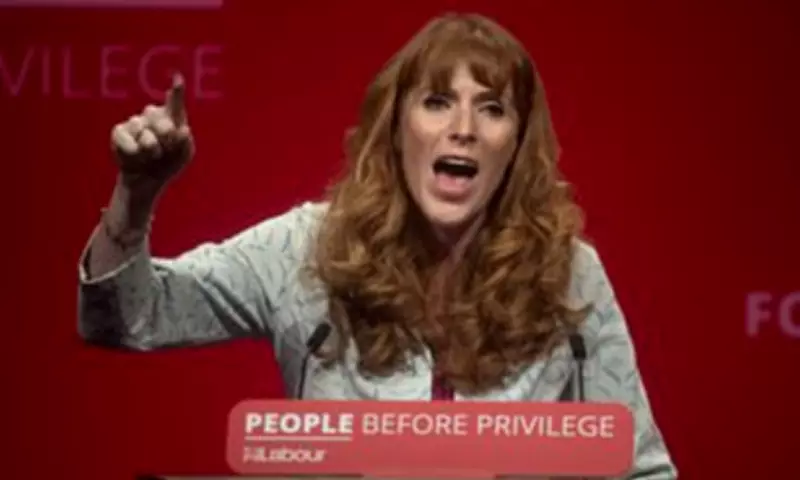
Angela Rayner's Political Ascent: A Potential Prime Minister in Waiting
Looking ahead six months into the future, a pressing question emerges: Could Angela Rayner become Prime Minister of the United Kingdom? Might she soon represent Britain on the global stage, engaging with world leaders like Donald Trump and Emmanuel Macron? The possibility of her standing outside Number 10 Downing Street, announcing transformative plans for the nation, appears increasingly plausible.
The Stark Reality of Rayner's Prospects
The answer to these questions leans disturbingly toward affirmation. Current political analysis indicates Rayner possesses greater odds of assuming the premiership within six months—or even three—than any other contender. Her chances surpass those of prominent Labour figures including Wes Streeting, Andy Burnham, and Ed Miliband.
More significantly, she appears more likely than Sir Keir Starmer himself, whose recent dismissal of chief of staff Morgan McSweeney seems unlikely to salvage his leadership should Labour suffer defeats in the imminent Gorton and Denton by-elections and face substantial losses during May's local elections.

Qualifications and Controversies Under Scrutiny
This potential development raises profound concerns about political standards. While Britain has witnessed several inadequate leaders, Angela Rayner presents unique worries regarding her preparedness for the nation's highest office. Many observers question whether she possesses the necessary qualifications, viewing her consideration as evidence of political degradation.
Remarkably, some Labour MPs actively champion Rayner's leadership bid merely five months after her dismissal for failing to pay approximately £40,000 in stamp duty on an £800,000 property purchase in Hove. Her situation remains complicated by an ongoing HMRC investigation whose outcome remains pending.
Beyond Background: Examining Political Substance
Concerns about Rayner extend beyond educational background or social class. Many would celebrate a leader who transformed themselves through determination and self-improvement from challenging circumstances into an effective statesperson. However, critics argue Rayner has not demonstrated this trajectory.
Despite displaying considerable political cunning, she reportedly lacks the experience and knowledge traditionally deemed essential for governance. Her political identity remains rooted in class warfare, exemplified by past descriptions of Conservatives as "scum" and accusations of being "homophobic, racist, misogynistic, nasty and vile."
Historical Comparison Reveals Contrasts
Comparisons with historical Labour figures highlight perceived deficiencies. Ernest Bevin, Foreign Secretary in the post-war Labour government, emerged from even more deprived circumstances than Rayner, with minimal formal education. Like Rayner, he rose through trade union ranks, but unlike her, he deliberately cultivated expertise in foreign affairs through self-education.
Bevin approached politics as a patriot seeking to serve the entire nation, maintaining his working-class origins while developing substantive policy knowledge. This contrasts sharply with perceptions of Rayner as possessing limited understanding of economics and international relations, with minimal effort to develop expertise in these critical areas.
Policy Implications and Competence Questions
With Europe facing potential conflict, questions arise about Rayner's suitability for crisis leadership. While Starmer demonstrates significant weaknesses, he appears more stable and commands greater respect among international counterparts.
Rayner's substantial support within Labour circles—particularly among party members and trade unionists who would vote in any leadership contest—stems partly from desires for female leadership and authentic left-wing representation. Supporters believe she would implement more socialist policies than Starmer's administration.
Legislative Record and Governance Concerns
Rayner's ministerial experience remains limited, but she championed the radical Employment Rights Bill before leaving office last September. Although diluted during parliamentary passage, this legislation imposes significant costs on employers while banning zero-hour contracts and establishing immediate sick pay rights.

A Rayner-led government would likely expand trade union privileges, increase taxation, raise public expenditure (excluding defense), and exercise even less restraint over welfare spending than current arrangements.
Practical Failures and Leadership Alternatives
Beyond ideological concerns, questions persist about Rayner's practical competence. As Housing Secretary, she failed to deliver Labour's housing construction promises, with the party actually building fewer homes than the preceding Conservative administration managed in their final year.
Alternative leadership contenders present their own challenges. Wes Streeting faces criticism over associations with disgraced figures and NHS management controversies. Andy Burnham remains without a parliamentary seat due to Starmer's interventions. Ed Miliband's potential alliance with Greens raises concerns about practical governance.
Broader Political Context and National Implications
The notion that new leadership could rescue Labour's fortunes appears increasingly fanciful. Voters show little enthusiasm for replacing an elected prime minister with an unelected successor implementing unfamiliar policies.
While calling a new election might seem logical, Labour recognizes this would likely prove disastrous, potentially leaving numerous MPs unemployed. The party increasingly resembles a self-interested sect, with internal conflicts overshadowing national concerns.
Some discussions even mention potential caretaker arrangements while Rayner resolves her HMRC situation, prioritizing party interests above national welfare. Such developments would further demonstrate political dysfunction.
Conclusion: A Concerning Political Trajectory
The prospect of Angela Rayner occupying Number 10 generates genuine apprehension among observers. While Sir Keir Starmer ranks among the least effective prime ministers in recent memory, analysts suggest Rayner could prove substantially worse. Her potential ascension reflects deeper issues within British politics, where partisan considerations increasingly override qualifications and national interest.