Manchester Mayor Seeks Return to Westminster in Crucial Byelection
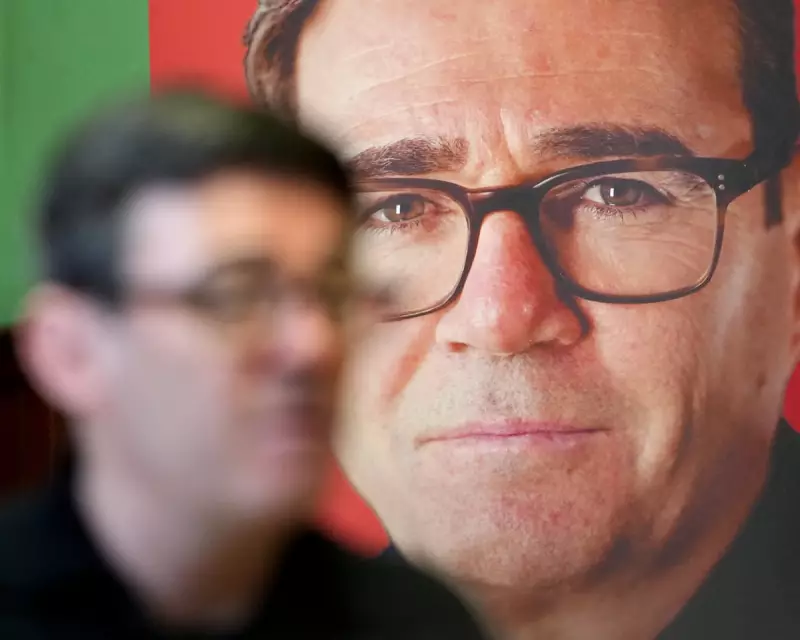
In a significant political development, Greater Manchester Mayor Andy Burnham has formally applied to stand as the Labour Party's candidate in the forthcoming Gorton and Denton parliamentary byelection. The move represents a potential return to Westminster for Burnham, who left national politics nearly a decade ago to focus on regional leadership.
A Difficult Decision Driven by Duty
In a detailed letter addressed to the chair of Labour's National Executive Committee, Burnham described his decision as challenging but necessary. "This has been a difficult decision for me to make," he wrote, explaining that he wished to share his reasoning with NEC members directly. The unexpected byelection has prompted careful consideration about what serves both the party and the Manchester city-region best.
Burnham emphasised his belief that this moment requires mounting the strongest possible defence of Labour's values and Manchester's achievements. "I have come to the conclusion that this is the moment to mount the strongest possible defence of what we stand for and what we have built in this city over many generations," he stated.

Defending Manchester's Traditions Against Division
The mayor positioned the byelection as a frontline battle for Manchester's distinctive political culture. He highlighted the city's historical commitment to equality, referencing the 1862 cotton workers who refused to handle slave-picked cotton. "Manchester inspires because it is a place that has always stood for the equality of all people," Burnham noted, adding that he has drawn strength from this tradition during his mayoral tenure.
Burnham expressed concern about external threats to Greater Manchester's cohesion. "There is now a direct threat to everything Greater Manchester has always been about from a brand of politics which seeks to pit people against each other," he warned. He described this approach as bringing "a poison we should not let enter our city-region."
This perceived threat has solidified Burnham's determination to participate directly. "I feel I owe it to a city which has given me so much to lead it from the front, despite the risks involved," he declared, framing his potential candidacy as an act of reciprocal loyalty to Manchester.
Campaign Vision and Westminster Return
If granted permission to stand, Burnham pledged to run "a hopeful and unifying campaign with broad appeal to voters." He intends to focus on Manchester's achievements while addressing public alienation from politics—a sentiment he acknowledged experiencing himself before leaving Westminster.
Burnham explained that his nine years as mayor have convinced him that Manchester cannot reach its full potential without corresponding changes at the national level. "Manchester won't be able to be everything it should be without similar changes at a national level. This is why I feel the need to go back," he wrote.
The mayor also addressed economic concerns affecting his constituents. "When so many people in a city-region like this are struggling to afford the daily basics, they are surely right to question why the country gave away control of them in the first place," he observed, highlighting ongoing challenges around affordability and governance.
Support for Government and Future Commitments
In a notable section of his letter, Burnham praised the current government for "being the first in a long time to face up to them and put people before profit." He specifically commended progress on rail renationalisation, bus re-regulation, housing, and devolution.
Burnham assured that his return to Westminster would involve supporting rather than undermining government work, stating he has passed this assurance directly to the prime minister. His proposed role would be to "use my experience to help it to go further and faster, as well as communicate the difference it is making."

The mayor also committed to contesting the subsequent Greater Manchester mayoral byelection if successful in the parliamentary contest. "I can assure the NEC that, if allowed to stand and successful in the byelection, I would give my all to the subsequent Greater Manchester mayoral byelection," he promised, expressing confidence in Labour's ability to continue its success story in the region.
Respectful Process and Recognition
Burnham concluded his letter by stating he would make no further public statements until Labour's internal process concludes, demonstrating respect for party procedures. He also acknowledged the "dedicated service" of former MP Andrew Gwynne to the area, while noting Gwynne had "clearly made mistakes" that led to the byelection circumstances.
The application now rests with Labour's National Executive Committee, whose decision will determine whether one of the party's most prominent regional figures makes a dramatic return to the national political stage during a critical period for both Manchester and the Labour movement.