

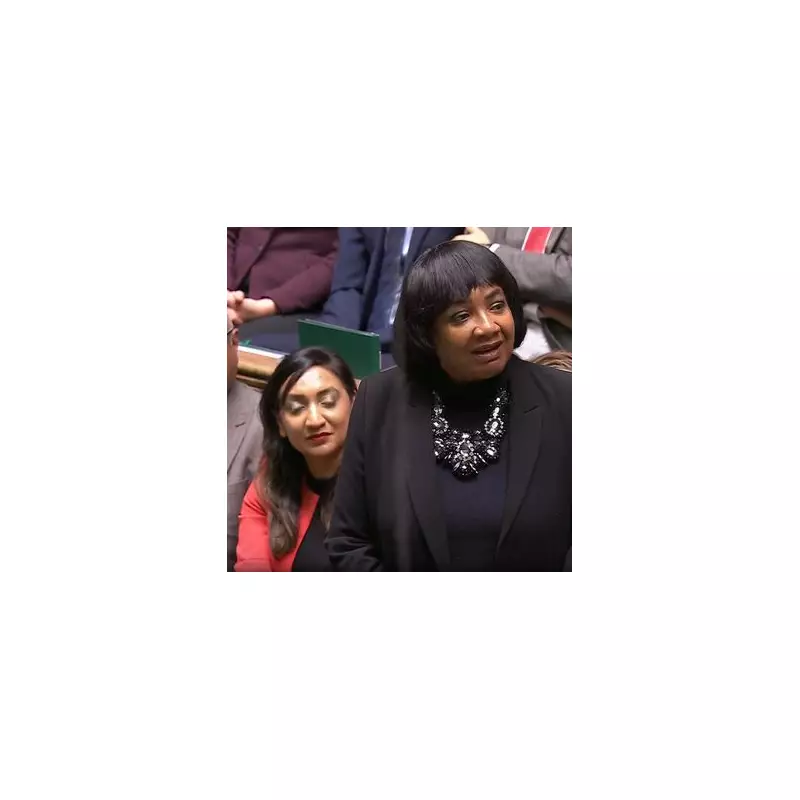
Labour MP Diane Abbott has issued a powerful condemnation of the treatment of Palestinian hunger strikers, labelling it a "moral outrage" and asserting they "deserve the support of every decent human being." Her remarks come as one protester, Umer Khalid, ended his 17-day hunger strike and three-day thirst strike after being hospitalised with multiple organ failure.
Striker Ends Protest Amid Critical Health Crisis
Umer Khalid, a 22-year-old with Limb-Girdle Muscular Dystrophy, called off his protest following a meeting with HMP Wormwood Scrubs governor Amy Frost. This rare genetic condition significantly heightens the risks associated with hunger strikes, and Umer was suffering from renal failure, liver failure, low blood pressure, and elevated creatine kinase levels—all indicators of potential cardiac arrest.
After discussions, Umer was granted access to previously withheld post and clothing, and restrictions on his visits—severely curtailed since his remand in July 2025—were removed. He explained over the phone that he ended the strike when faced with a choice between treatment and likely death within 24 hours due to his deteriorating health.

Abbott's Scathing Critique of Government Actions
In her statement, Diane Abbott emphasised that everyone has the right to protest, as enshrined in the European Convention on Human Rights (ECHR). She criticised the government for what she sees as hypocrisy, stating, "There is one thing to say you support it, but it is quite another to support it in practice."
Abbott accused the British government of supporting genocide in Gaza, referencing Keir Starmer's early comment that Israel had the right to withhold food and water. She added, "The British government has also gone much further than other European governments that are also staunch supporters of Israel. It has bombed Yemen, partly in an effort to destroy those who oppose Israel’s genocide. It has provided intelligence to Israel that helps it identify targets in Gaza."
Public Opinion and Protest Criminalisation
The MP argued that public sentiment, as shown in polls, supports Gaza and opposes both Israel's actions and the British government's backing. She claimed the government's response to criticism has been to "demonise and criminalise" opponents, treating protesters as terrorists. "That is why we should all support those who have been on hunger or other strikes," Abbott said. "How they have been treated is a moral outrage. They are fighting for all our rights to protest. And they are fighting to stop the genocide in Gaza."
Ministry of Justice Response and Ongoing Tensions
The Ministry of Justice previously described reports of thirst strikes as "extremely concerning," noting that healthcare experts explain the dangers to prisoners. In a statement, they said, "Prisoners are being managed in line with longstanding policy. This includes regular checks by medical professionals, heart monitoring and blood tests, and support to help them eat and drink again. If deemed appropriate by healthcare teams, prisoners will be taken to hospital."
Umer Khalid, however, expressed a grim resolve, stating a second reason for ending his strike was the belief that authorities show no concern for protesters' lives. "If David Lammy wishes to see me dead, if Keir Starmer wishes to see me dead, they can come and do it themselves," he said. "Until then we keep fighting, we keep resisting."
This incident highlights ongoing tensions over protest rights, government policies on international conflicts, and the treatment of detainees, with Abbott positioning the hunger strikers as defenders of fundamental human rights.






