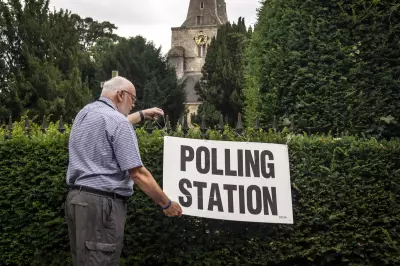
As the UK considers potential changes to its electoral system, a controversial proposal has emerged: should teenagers be required to learn about politics before they're allowed to vote?
The Case for Political Education
Proponents argue that many 16- and 17-year-olds lack sufficient understanding of political systems to make informed decisions at the ballot box. "We don't let people drive without passing a test," notes one political scientist. "Why should voting be different?"
Suggested reforms include:

- Mandatory civics classes in secondary schools
- Interactive workshops on how government functions
- Mock elections to practice democratic participation
Potential Challenges
Critics raise several concerns about implementing such a system:
- Who would design the curriculum and ensure its neutrality?
- Could this create additional barriers to youth participation?
- Might it delay voting rights for some young people?
A Balanced Approach?
Some experts propose compromise solutions, such as voluntary political literacy programs that wouldn't restrict voting rights but might offer incentives for participation. Others suggest integrating political education earlier in school curricula to better prepare future voters.
The debate continues as policymakers grapple with how best to balance democratic inclusion with informed decision-making in an increasingly complex political landscape.