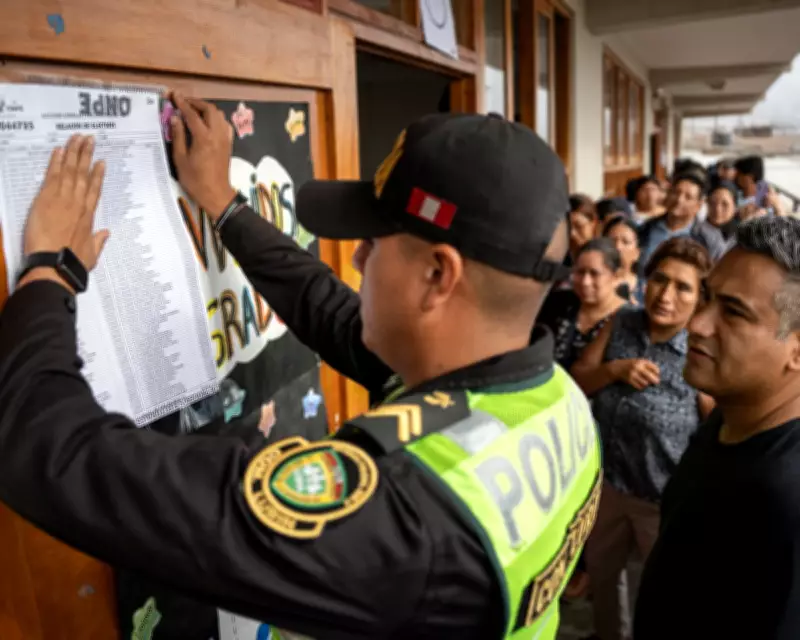
In an unprecedented move, Peru has extended its presidential voting into Monday following widespread chaos and disruptions at polling stations across the country. The electoral agency ONPE announced the extension on Sunday night to accommodate tens of thousands of voters who were unable to cast their ballots due to a lack of ballot papers and defective computers.
Technical Failures and Voter Frustration
The voting process descended into disarray on Sunday, with 15 polling stations in southern Lima cancelling operations entirely due to technical issues. Authorities estimated that 52,000 people would be allowed to vote on Monday as a result. Additionally, Peru's foreign ministry confirmed that several thousand voters in US cities such as Paterson, New Jersey, and Orlando, Florida, would also have the opportunity to vote on the extra day.
At a polling station in Lima's Miraflores district, frustrated voters chanted "We want to vote!" as delays mounted. Rosa María Yaksetig, one of the voters, reported that voting did not begin until around 11:30 am due to printers running out of ink and general disorganisation. This scene was replicated in other areas, with many polling stations facing late starts and operational hiccups.

Political Context and Candidates
The election features a diverse field of candidates, including two former Lima mayors, the daughter of an autocrat, and a comedian, all vying to become Peru's ninth president in a decade marked by intense political instability and corruption scandals. The technical problems occurred amid unsubstantiated accusations of fraud and calls from candidates to extend voting into the night.
Exit polls, partial results, and independent tallies indicate that Keiko Fujimori, a four-time presidential candidate, is currently in the lead. However, she falls well short of the 50% threshold required for an outright victory, making a second-round runoff inevitable. It remains unclear who her opponent will be in that subsequent vote.
Voting Regulations and Consequences
Voting is mandatory for Peruvians aged 18 to 70, with failure to participate carrying a fine of up to $32. This rule added to the urgency of resolving the polling station issues, as many citizens risked penalties due to the disruptions. ONPE has stated that no official first-round results will be released until after the additional voting concludes on Monday, prolonging the uncertainty surrounding the election outcome.
The extension highlights the challenges Peru faces in conducting smooth electoral processes amidst its ongoing political turmoil. As voters await final results, the focus remains on whether this move will help restore confidence in the democratic system or further exacerbate existing tensions.