Gullah Geechee Community Wins Historic Referendum to Block Development on Sapelo Island
Historic Referendum Blocks Development on Sapelo Island

Historic Referendum Protects Gullah Geechee Heritage on Sapelo Island

In a landmark decision, residents of McIntosh County, Georgia, have overwhelmingly rejected a zoning amendment that threatened the cultural fabric of Sapelo Island's historic Hogg Hummock community. The citizen-led referendum, only the second of its kind in Georgia's history, saw nearly 85% of voters oppose increasing permitted residential square footage from 1,400 to 3,000 square feet.

A Community's Stand Against Development

Ire Gene Grovner, a 70-year-old resident whose family has lived on Sapelo Island for nine generations, embodies the community's determination. "If you ain't lazy, you can live good here," he remarked while tending to his winter collard greens and chickens. For Grovner and other Gullah Geechee descendants, the proposed zoning changes represented an existential threat that could have raised taxes and displaced long-standing families.

The Gullah Geechee people are descendants of enslaved West Africans who worked plantations from North Carolina to Florida. On Sapelo Island, freed Black families were granted land in Hogg Hummock precisely because it was considered marshy and less desirable. Today, it remains Georgia's only surviving sea island community of Gullah Geechee people, though their numbers have dwindled from about 500 in the early 20th century to just 30-40 residents.

The Mechanics of a Rare Southern Referendum

This referendum was made possible by provisions in Georgia's constitution, requiring over 2,000 registered voters to sign petitions demanding a vote on county policies. Chris Melody Fields Figueredo, executive director of the Ballot Initiative Strategy Center, noted that such referendums are exceptionally rare in the southern United States. Historically, states with large formerly enslaved populations often restricted these democratic tools to limit their political power.

The path to Tuesday's vote wasn't straightforward. Community organizers first had to overcome legal challenges from McIntosh County, which argued zoning rules weren't covered by constitutional referendum provisions. A September state supreme court decision finally cleared the way for the historic election.

Ecological and Cultural Preservation Intertwined

Nick Macías, assistant operations director at the University of Georgia Marine Institute on Sapelo, highlighted the island's unique ecological significance. "It's an ecologically important island you don't find anywhere in the world," he said, noting its healthy marsh grass communities that serve as keystone species. Increased development would have stressed the island's carbon footprint while threatening cultural continuity.

Samuel, a trucker with family ties to Hogg Hummock, recalled learning traditional plant-based medicines during teenage visits. "They treat you like family. They take you in," he said, explaining his determination to protect the community. "I'll fight for it till the end. They deserve it. It's their place."

Uncertain Future Despite Electoral Victory

Despite the clear referendum result, the community's future remains uncertain. McIntosh County attorney Adam Poppell has controversially suggested that rejecting the zoning amendment leaves Hogg Hummock with "no zoning" regulations whatsoever, potentially opening the door to unrestricted development.

Dana Braun, attorney for the Hogg Hummock residents, indicated another lawsuit would likely follow if the county pursues this interpretation. "The county apparently loves paying lawyers for losing battles," he remarked pointedly.

The referendum has broader implications for Georgia governance. Kathleen Russell, editor of the Darien News, observed that every county in Georgia is watching these developments closely, as the precedent empowers residents statewide to challenge zoning decisions through citizen-led petitions.

Ongoing Legal Battles and Cultural Resilience

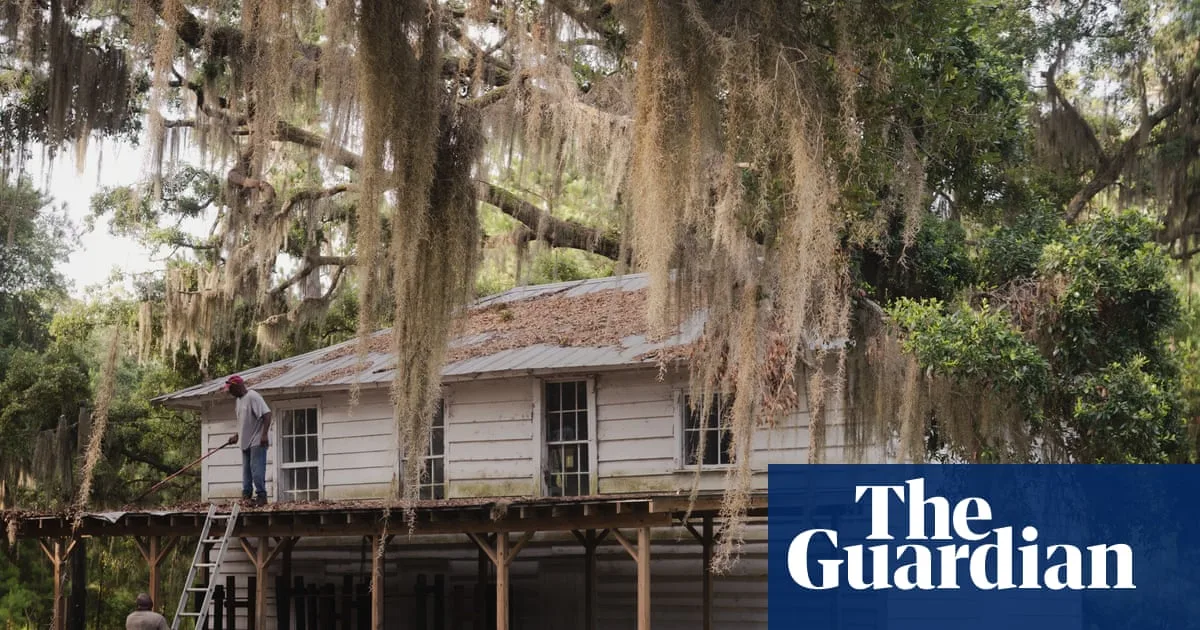
Ire Gene Grovner remains embroiled in another legal battle, claiming dozens of acres allegedly taken from his family by the state of Georgia in 1875. Meanwhile, his brother Bobby Gene Grovner, who is renovating his home to leave to his daughters, expressed weariness with constant legal fights. "It's tiring," he admitted, though he remains committed to preserving his community.

A Southern Poverty Law Center lawsuit contends the proposed zoning amendment was discriminatory, arguing that Hogg Hummock residents have been systematically excluded from decisions about their community's future. Attorney Miriam Gutman emphasized that residents simply want to pass their land to future generations and participate in planning discussions.

As Ire Gene Grovner cleaned his knife after preparing raccoon meat, his resolve remained unshaken. "I ain't planning on goin nowhere," he declared, capturing the determination of a community that has used democratic tools to protect its heritage against formidable odds.




