Toy Entrepreneur David Strang Dies by Suicide Following Business Collapse
David Strang, the flamboyant 52-year-old entrepreneur behind novelty toys enjoyed by millions of children worldwide for 25 years, took his own life when his business began to fail. Strang, who founded Wicked Vision at age 26, created products like supersized bouncy balls and indoor boomerangs that were sold through major retailers including Hamleys, Walmart, Sports Direct, and Amazon.
A Life of Creativity and Uninvited Adventures
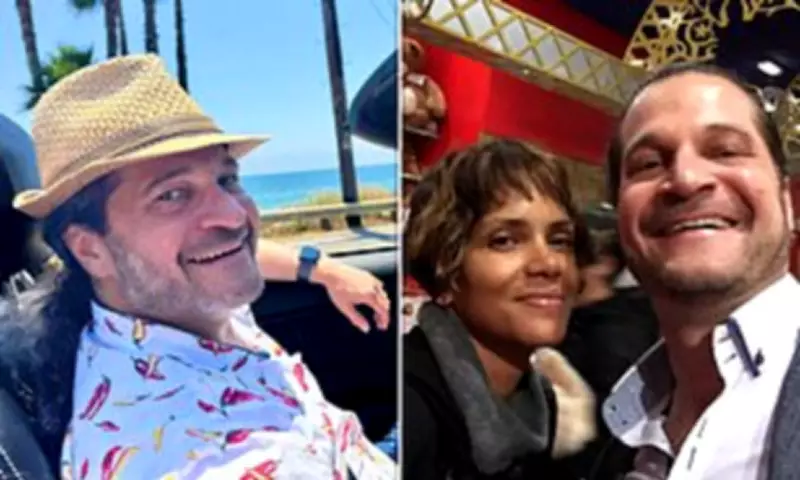
Beyond his toy business success, Strang developed a remarkable reputation as a master gatecrasher, skillfully infiltrating elite events such as the Oscars, Baftas, and Brit Awards. Over the years, he accumulated an impressive collection of selfies with A-list celebrities including Halle Berry, Kate Hudson, Tom Jones, Dizzee Rascal, Anne-Marie, and Steven Tyler. His audacity even extended to talking his way into a party at pop icon Prince's residence.
Strang once wrote on Instagram after the 2020 Brits: "I came out of semi-retirement last night and managed to crash the red carpet at the Brits. Met and chatted with some amazing artists... stopped taking selfies after I got in trouble. Too many photos and videos to post. Amazing red carpet fun, incredible show and great to crash the after party too!!!"
Business Expansion Leads to Financial Crisis
The entrepreneur's troubles began when expansion plans faltered, leaving him consumed by personally guaranteed loan debt. By August 2024, Strang realized his business would not survive, triggering a severe decline in his mental health. His sister Vikki Seaton told Inner West London Coroner's Court: "He had taken out loans in order to expand and could not afford to pay them back. As he realized his business would not survive, his mental health got worse."
Strang's GP reported no relevant mental health history prior to September 2024, when the entrepreneur complained of extreme work stress and sleeping only two to three hours nightly. He was prescribed Zopiclone for insomnia and recommended talking therapy, initially denying suicidal thoughts. However, his condition deteriorated significantly over subsequent months.
Mental Health Struggle and Treatment
By November 2024, Strang reported suicidal thoughts without intent to act, having lost six to seven kilograms and suffering from persistent insomnia. Three weeks later, he experienced daily suicidal ideation with specific plans and was described as "severely depressed." He engaged with the Coral Mental Health Crisis Hub, part of the South West London and St George's Mental Health NHS Trust, where consultant psychiatrist Dieneke Hubbeling noted: "He said he was in a lot of debt and his business was going bankrupt."
Despite apparent improvements in December 2024 and January 2025, when Strang described himself as "super good" and claimed his life was "getting back on track," the recovery proved temporary. Clinical Service leader Maude Chinake noted there had been "poor compliance and engagement" from Strang during treatment.
Final Days and Tragic Outcome
On April 21, 2025, Strang accessed the tracks at Putney Station in southwest London and was struck by a train, dying from multiple traumatic injuries. British Transport Police investigator Kristina Butler reported that keys found on his body led to his flat, where several items were laid out on his bed including his passport, laptop, mobile phone, £6,500 in a coat pocket, and handwritten notes alongside a typed document titled "amazing life." His phone contained searches for train times.
Strang's family questioned why they weren't informed of his deteriorating mental state. Assistant coroner Sophie Mortimer recorded a conclusion of suicide, recommending that mental health teams better liaise with next of kin for "collateral information" without compromising patient confidentiality. She also suggested GPs should be more involved when patients show low compliance with phone contact from mental health services.
Mortimer stated: "David Strang did not have any mental health problems until August 2024 when his business developed significant problems, which was a significant concern for him. Due to the notes on his phone and the times that were searched for, I'm satisfied that Mr Strang did a deliberate act with the intention of taking his own life."
Legacy and Final Wishes
Strang, who never married or had children, poured his energy into both his business and his unusual hobby of gatecrashing celebrity events. After his death, it emerged that he had left instructions with a close friend requesting that his friends throw a party "with lots of fun and laughter" in his memory. He was described by those who knew him as "so proud of his achievements," having built his company from nothing to international distribution over two decades of operation.