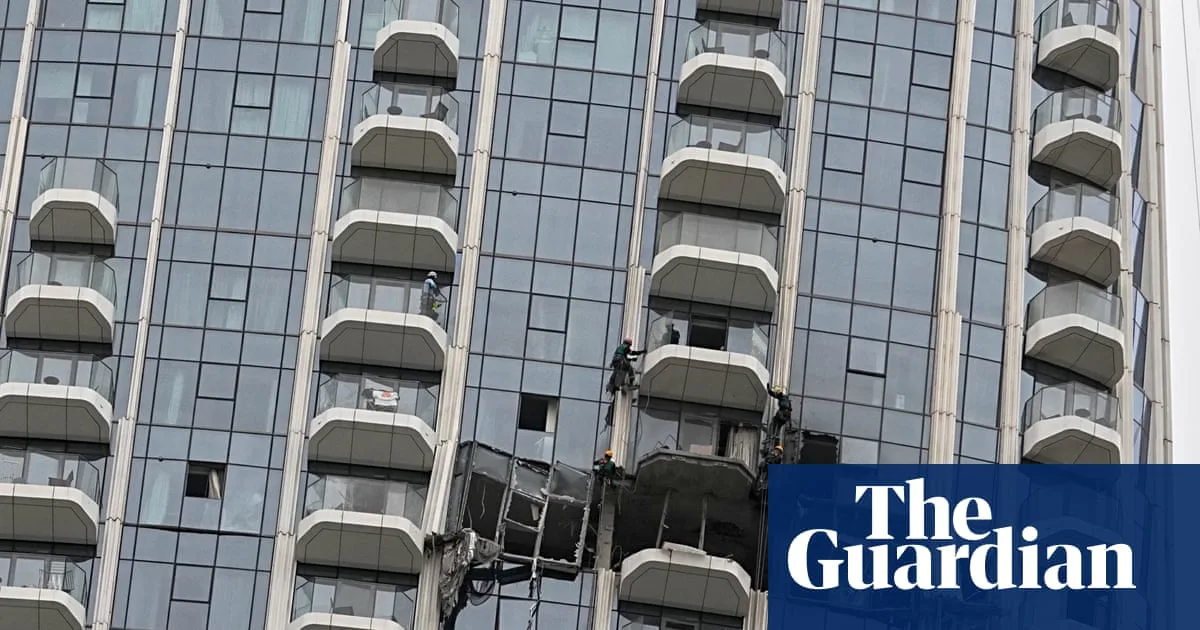
A 60-year-old British tourist is among 20 people charged in the United Arab Emirates under cybercrime laws for filming and sharing material related to Iranian attacks on the country. The man, who was visiting Dubai, faces charges under a law that prohibits sharing content that could disturb public security, according to Detained in Dubai, an organisation providing legal assistance in the UAE.
The case has drawn attention due to the UAE's reputation as a hub for influencers who rely on constant filming and posting. Despite the law, footage from recent Iranian attacks has been widely shared on social media. Radha Stirling, head of Detained in Dubai, said the unnamed Londoner was charged after police found a video of an Iranian missile strike on his phone, even though he had apparently deleted it immediately when challenged.
According to the official case summary, the accused are alleged to have used information networks or technology tools to broadcast, publish, or circulate false news, rumours, or provocative propaganda that may incite public opinion or disturb public security. Stirling noted that the charges sound vague but serious, and could stem from simply sharing or commenting on a video already online. Under UAE law, both the original poster and anyone who reshapes, reposts, or comments on content can be charged.
Penalties can include up to two years in prison, fines ranging from 20,000 AED (£4,000) to 200,000 AED, or both, and foreign nationals face deportation. Stirling warned that multiple counts can be applied, leading to cumulative charges even for innocent actions. She advised that assuming widely shared content is safe to repost in the UAE can be extremely dangerous.
The case comes amid tight new rules on journalists and the public during heightened Middle East tensions. Gulf monarchies, targeted by Iranian drone and missile attacks, have imposed tighter controls. Governments are particularly concerned about images revealing strike locations or interceptions. AFP, an international news outlet, reported it has been unable to visit the scene of a strike on a school in Minab, Iran, where authorities say over 150 people were killed by a US Tomahawk missile.