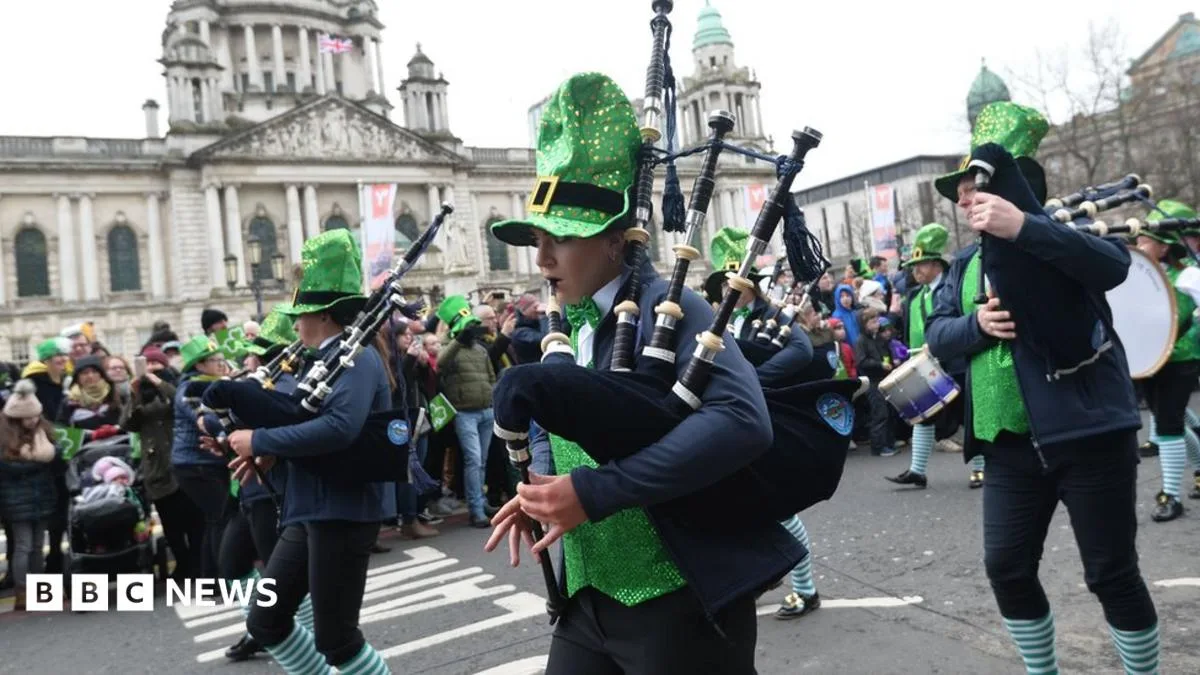
St Patrick's Day, celebrated globally with parades, green attire, and alcohol, has long been associated with drinking, a tradition that may trace back to the saint himself. According to folklore, St Patrick once chastised a publican for giving him a short measure, calling the 'sin of mismeasure' one of the worst sins.
The 9th-century Book of Armagh instructed Irish monasteries and churches to mark the feast with three days and nights of feasting. Folklorist Kevin Dannaher described celebrations 300 years ago where men would drink the 'pota Pádraig' or 'St Patrick's pot' after church, though he noted that 'drowning the shamrock' did not require getting drunk.
Academics say the drinking tradition stems partly from a dispensation allowing Lenten fasts to be broken on St Patrick's Day, enabling meat and alcohol consumption while other Christians fasted. The day also falls near the Spring Equinox, tied to agricultural traditions like planting potatoes.
Historic accounts from the early 19th century describe revellers wearing shamrocks, drinking whiskey copiously, and celebrating into the next day in honour of St Patrick's wife, Sheelagh—a figure now largely forgotten. The Catholic Church later clamped down on some practices, such as large gatherings at wells, but folkloric traditions persisted.
Folklore expert Stiofán Ó Cadhla noted that while hagiographers present a strict saint, the Irish people's St Patrick is 'like one of themselves'—understanding and loving his people. The modern public parades, however, are a relatively recent addition to the celebrations.