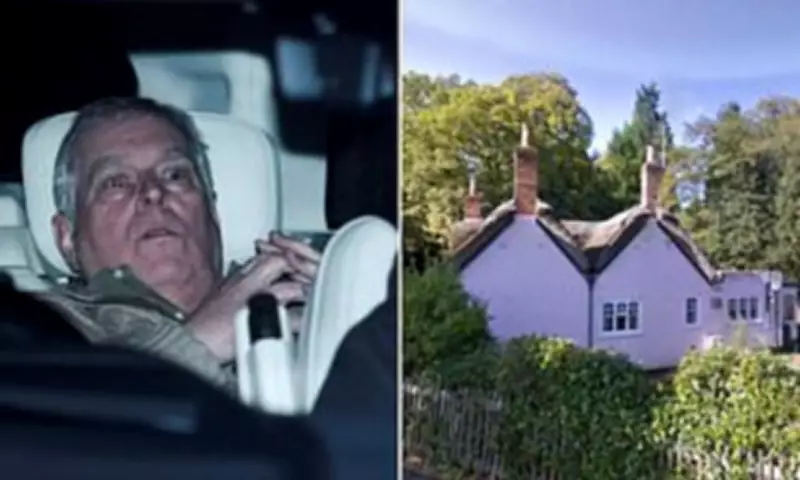
Prince Andrew Surrenders Crown Estate Lease Following Decades of Subsidised Rent
The Duke of York, Andrew Mountbatten-Windsor, is relinquishing his lease on another Crown Estate property after benefiting from well below market rental rates for more than two decades. This move comes as parliamentary scrutiny intensifies over royal property arrangements and their cost to the public purse.
Below-Market Rent for Desirable Berkshire Property
The disgraced former prince has formally requested to terminate his lease on East Lodge, a Grade II listed thatched cottage located in Berkshire. For this property, Andrew has been paying an annual rent of £13,000. However, estate agents indicate that homes in the same prestigious postcode command rental prices of up to £7,500 per month, highlighting a significant disparity. This means the Duke's rent was approximately 85% lower than the potential market value, raising questions about value for money.
Historical Context and Property Details
Andrew first acquired the tenancy for East Lodge in 1998, initially paying £3,500 annually to the Crown Estate. He resided in the cottage for a period until 2004, after which he moved into the Windsor mansion Royal Lodge. Over the years, the rent increased incrementally with inflation, reaching £12,922 by August of last year. The lease was renewed again by Andrew in 2020 and had been scheduled to conclude in July 2027.

East Lodge is situated near Ascot, in close proximity to Andrew's former controversial £15 million mansion, Sunninghill Park. Notably, he sold that property in 2007 to the son-in-law of Kazakhstan's president for £3 million above the asking price. Following his eviction from Royal Lodge last month due to his associations with convicted paedophile Jeffrey Epstein, Andrew retained the lease on East Lodge, which is believed to have been utilised for staff accommodation.
Crown Estate's Role and Public Scrutiny
The Crown Estate operates as an independent commercial entity, with its profits directed to the Treasury. It is legally obligated to secure optimal value for the public. Andrew's request to terminate the lease early emerged after a Freedom of Information request was submitted concerning East Lodge in January. A spokesperson for the Crown Estate confirmed to the BBC, 'Since then… we have received a request for us to consider an early termination of the lease.'
This development coincides with heightened parliamentary examination. The Public Accounts Committee has announced an inquiry set for later this year, which will scrutinise royal properties to ensure transparency and value for taxpayers. Committee Chairman Sir Geoffrey Clifton-Brown emphasised that this investigation will 'aid transparency' and aligns with the committee's mission to 'secure value for money for the taxpayer.' MPs are expected to delve into the financial aspects of such leases, particularly in light of Andrew's longstanding below-market arrangements.
Implications and Broader Context
The termination of the East Lodge lease marks another step in Andrew's gradual withdrawal from royal properties amid ongoing controversies. Located approximately five miles from his former Windsor home, the thirty-room Royal Lodge, East Lodge's lease surrender underscores the mounting pressure on the Duke to disentangle from advantageous financial arrangements. This move may preempt further criticism as public and parliamentary focus sharpens on the economics of royal estates and their management by the Crown Estate.