Peru's Interim President Faces Impeachment Threat Over Secret Chinese Meetings
Peru President Faces Impeachment Over Secret Chinese Meetings

Peru's Interim President Faces Mounting Pressure Over Secret Chinese Encounters

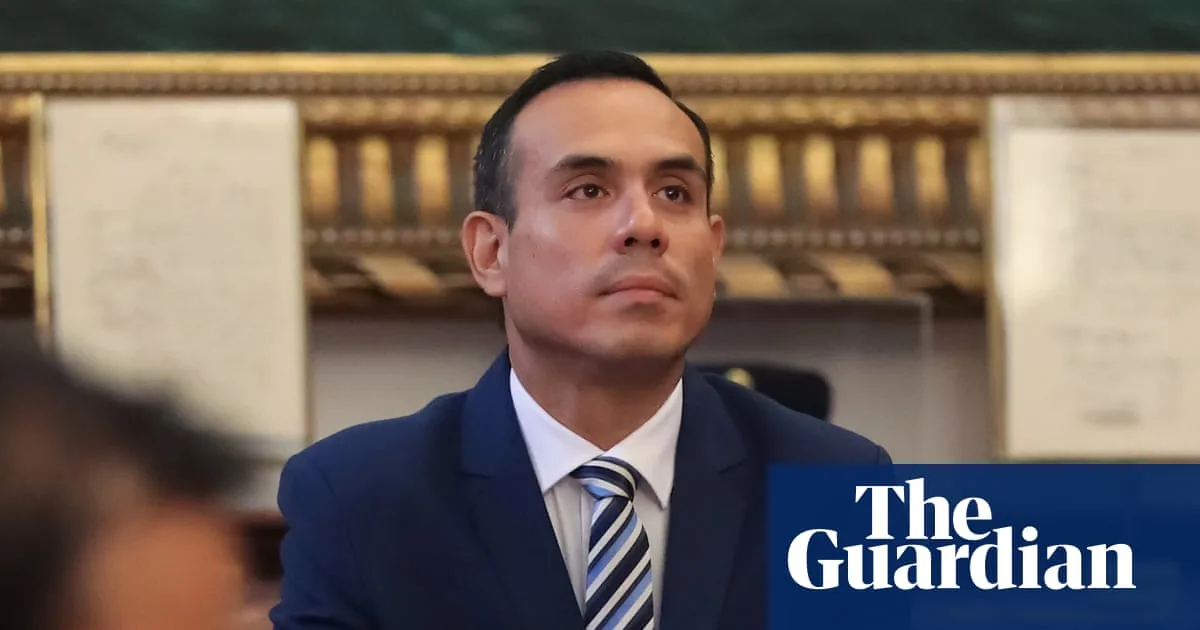
Peru's interim president, José Jerí, has found himself at the centre of a major political storm following revelations about clandestine meetings with Chinese businessmen in Lima. The 39-year-old leader, who assumed office in October after his predecessor Dina Boluarte was forced out, appeared before the congressional oversight and accountability committee on 21 January 2026 to address growing concerns about these undisclosed encounters.

Denials and Allegations of a Political Trap

During his committee appearance, Jerí vehemently denied misleading the nation and instead positioned himself as the victim of what he described as a calculated smear campaign. The interim president claimed this was a deliberate attempt to destabilise Peru ahead of crucial elections scheduled for April, suggesting the timing was politically motivated. "It could be understood to be a trap," Jerí told lawmakers, attempting to frame the controversy as an orchestrated effort to undermine his administration during a sensitive transitional period.

The 'Chifagate' Scandal Unfolds

The controversy, which has been dubbed "Chifagate" by local media, centres on two separate meetings that occurred outside normal office hours and were conspicuously absent from Jerí's official public agenda. Both encounters took place in Lima's Chinatown district - one at a Chinese restaurant known as a chifa, and another at a shuttered shop that had previously been closed by municipal authorities for selling unauthorised products.

Public prosecutors have launched a formal investigation into these meetings, adding legal weight to the political scrutiny. The scandal emerges against a backdrop of intensifying geopolitical competition in Latin America, where China has established itself as the primary trading partner for most nations in the region, including Peru, while simultaneously becoming a major source of foreign direct investment.

Video Evidence and Key Figures

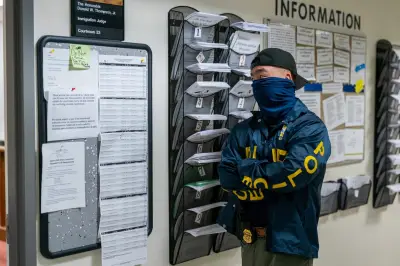
The controversy first erupted when videos surfaced showing the president in compromising circumstances. One recording captured Jerí wearing a hooded top with the hood pulled over his head, while another showed him in dark glasses, gesticulating animatedly during a telephone conversation. Both meetings involved Yang Zhihua, a well-connected Chinese businessman whom Jerí refers to familiarly as "Johnny." Yang has resided in Peru for decades and has built a substantial business portfolio encompassing retail outlets, restaurants, and even a hydroelectric project concession.

Further complicating matters, another Chinese citizen present at the restaurant meeting has been identified as Ji Wu Xiaodong. Prosecutors allege Ji Wu has connections to an illegal timber-trafficking network operating in the Amazon region and had previously been placed under house arrest for two years. Official records indicate that Ji Wu, an accredited Spanish translator who had worked with Lima's Chinese embassy, made several visits to the presidential palace in recent months, consistently accompanied by Yang.

Contradictory Explanations and Political Fallout

Jerí initially issued a public apology after the first restaurant video emerged, claiming the meeting was intended to coordinate celebrations for Peruvian-Chinese Friendship Day. He expressed regret for "giving rise to suspicions and doubts about my behaviour" through his unconventional attire. However, this explanation was undermined hours later when the second video surfaced, showing the additional meeting at Yang's closed shop.

In a subsequent national television interview, Jerí offered a different account regarding Ji Wu's presence, suggesting the translator had merely served food at the restaurant and that they hadn't conversed due to language barriers. These shifting explanations have fueled opposition claims of dishonesty and lack of transparency.

Impeachment Threat and Political Context

Opposition lawmakers have announced their intention to present a formal motion to impeach Jerí, capitalising on the scandal to challenge his leadership. This development occurs despite Jerí maintaining relatively strong popularity, with recent polls indicating approval ratings around 44% - significantly higher than his predecessor Boluarte, whose support had dwindled to single digits. The interim president has remained defiant, telling legislators: "I will not resign, because that would imply that I had done something wrong, which is not the case."

Broader Geopolitical Implications

The scandal carries significant international ramifications, particularly for Peru's relationships with global superpowers. China has substantially increased its economic footprint in Peru, most notably through Cosco Shipping Ports' development of a fully automated deepwater port in Chancay, which began operations in November 2024 and established a direct trade route to China.

In apparent response to China's growing influence, the United States recently approved the potential sale of $1.5 billion in equipment and services to Peru. This assistance would support the relocation of Peru's main naval base from Lima's port of Callao to facilitate seaport expansion. The US Defense Security Cooperation Agency framed this proposed sale as advancing American foreign policy objectives by "helping to improve the security of an important partner that promotes political stability, peace and economic progress in South America."

Peru's Persistent Political Instability

This latest controversy continues Peru's pattern of chronic political turbulence, which has seen seven different presidents since 2018 in a revolving door of dismissals and resignations. The "Chifagate" scandal represents another chapter in this ongoing saga of governance challenges, corruption allegations, and institutional fragility that has characterised Peruvian politics in recent years.

As investigations proceed and impeachment preparations advance, Peru faces yet another test of its democratic institutions while navigating complex relationships with competing global powers seeking influence in the strategically important Latin American region.