Institutional Misogyny Blamed for Missed Warning Signs in Simpson Case
Institutional Misogyny Blamed for Missed Warning Signs

An independent review has concluded that "institutional misogyny" contributed to "clear warning signs" being overlooked in the initial Police Service of Northern Ireland (PSNI) investigation into the death of showjumper Katie Simpson. The review, led by Dr Jan Melia and commissioned by the Department of Justice, found that "not one officer thought seriously about abuse/control" during the 2020 probe.

Systematic Failures Identified

The report cited "systematic failures" not only within the police but also among other bodies, including social services, the health service, and the equestrian sector. It made 16 recommendations, many focusing on training. PSNI Assistant Chief Constable Davy Beck accepted the findings in full, acknowledging "unacceptable failings." He stated, "The review makes clear that we missed opportunities. Warning signs were not fully recognised early enough and we did not listen to some of those who raised early concerns." He added, "The failings are clear, we fell short and for that I am truly sorry."

Background of the Case

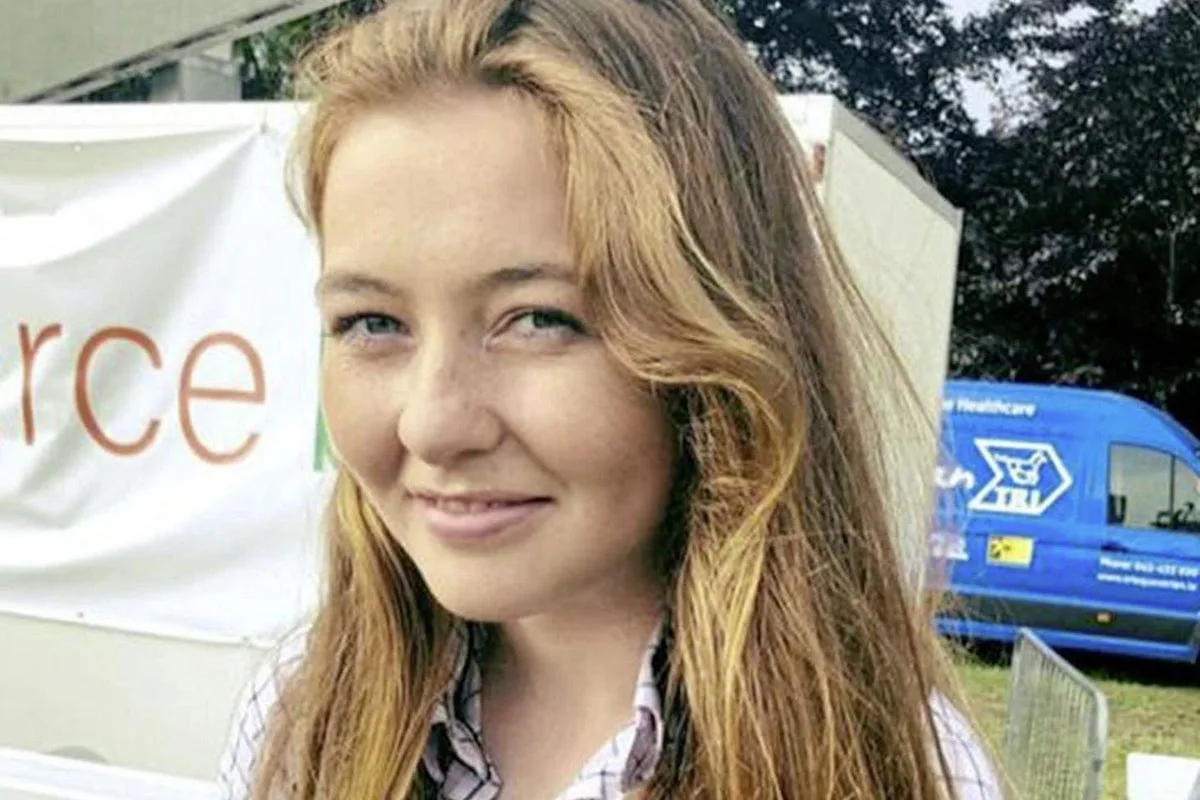
Ms Simpson, 21, from Tynan, Co Armagh, died in Altnagelvin Area Hospital nearly a week after an incident in Gortnessy Meadows, Lettershandoney, on August 3, 2020. Police initially assumed she had taken her own life. It was not until the following year that Jonathan Creswell, the partner of Ms Simpson’s sister, was arrested on suspicion of murder. The trial of Creswell, 36, ended in April 2024 after he took his own life following the first day of proceedings.

Wide Pickt banner — collaborative shopping lists app for Telegram, phone mockup with grocery list

Details of Failings

The report revealed that 37 individuals, both female and male, have come forward to say they were abused by Creswell. Officers failed to identify inconsistencies in Creswell’s account, neglected to preserve vital evidence, overlooked forensic scenes and opportunities, dismissed key witness statements, and failed to secure or examine crucial digital communications such as text messages and phone records that might have revealed patterns of abuse. The review noted that police officers demonstrated a "striking lack of professional curiosity," failed to employ an investigative mindset, and did not consider the possibility of abuse or control despite clear warning signs.

Ms Simpson had been visiting a horse yard near her home from age eight, up to three times a week, to ride and care for horses. Creswell worked at that yard and was dating her sister. The review found that Creswell had groomed her from the age of 10, subjecting her to a "brutal regime of grooming, coercive control, verbal degradation and physical abuse," concealed behind a "charming facade." The report examined 16 hospital visits by Ms Simpson between 2003 and 2020 with increasingly severe injuries, explained as horse-riding accidents, which should have prompted closer examination. Creswell had a long-term pattern of persistent and escalating offending, including motoring offences, dangerous driving, animal abuse, indecent exposure, suspected fraud, and domestic abuse.

Previous Findings and Apologies

Previously, a Police Ombudsman report concluded that the initial police investigation was "flawed" and "failed the Simpson family." The PSNI apologised to Ms Simpson’s family in 2024. The independent review found a series of failings: failing to treat her death as suspicious, deficiencies in scene management, neglect of forensic evidence, oversight of suspect history, inadequate witness strategy, fragmented leadership and accountability, and limited disciplinary action for officers identified for misconduct. It also found discrepancies in information given by Creswell, lack of investigation into evidence from members of the public, and poor communication with Ms Simpson’s family.

Pickt after-article banner — collaborative shopping lists app with family illustration

Institutional Misogyny

The review identified "institutional misogyny," with examples including referring to Creswell as a "bad boy" rather than "acknowledging him as a violent perpetrator." The report concluded that this language "trivialises male aggression, dismissing harmful behaviour and ultimately protects male perpetrators, simultaneously undermining the credibility of female victims." It noted, "Seeing this kind of language use by police draws attention to the concerns raised in the Angiolini Review and highlights how institutional cultures and communication practices perpetuate misogyny." The review added, "There is no doubt that this kind of language is normalised, seen as a bit of laugh or banter, but this is part of the problem. Euphemistic or dismissive language, such as referring to a perpetrator as a ‘bad boy’ obscures the harm done by men like Creswell, denying women’s experience of abuse." It continued, "The use of this kind of language is misogynistic because it protects male perpetrators at the expense of female victims. Creswell’s misogyny was a risk factor for both women and for others who have come forward because of this case. When police endorse misogyny, as they do here, risk to women escalates. Institutional misogyny reinforces risk, allowing it to be minimised; it dismisses women’s experiences, creating and sustaining a culture where female victims are disbelieved, and perpetrators are given credibility and power. This was precisely the case for Katie: not one officer thought seriously about abuse/control. Katie’s lived experience was disregarded, clear warning signs were ignored, established protocols were treated as optional/discretionary, and police chose to privilege Creswell’s account."

The review found an "urgent need for trauma-informed training, gender-sensitive risk assessment, and a cultural shift within the PSNI, that challenges and changes its own institutional misogyny."

Family and Political Response

In a foreword to the report, Ms Simpson’s mother, Noeleen Mullan, said it had been "hard to read," noting "so many things were missed, not done properly and it felt like there was a lack of care for Katie from the police." Justice Minister Naomi Long, making an oral statement in the Assembly, said a "debt of gratitude" was owed to all who raised concerns. She described the review as "uncomfortable reading" and announced that Dr Melia will co-ordinate and chair an implementation group for the 16 recommendations. "My department and our partners will act on the recommendations contained in Dr Melia’s report and ensure lessons are not simply learned but embedded," she told MLAs. The Katie Trust, set up in Ms Simpson’s memory, welcomed the review as representing a "significant and necessary step toward transparency and accountability."