The stench of a profound cover-up continues to permeate the corridors of Holyrood, clinging to its walls with the tenacity of decades-old grime. A litany of controversies—from the Alex Salmond affair and the ferries debacle to Michael Matheson's conduct and undisclosed Covid outbreaks—has now been compounded by the mephitic odour emanating from the Queen Elizabeth University Hospital scandal. This latest crisis represents a toxic culmination of buried truths and elevated falsehoods that has shaken the Scottish Parliament to its core.
A Leader's Cold, Sober Fury
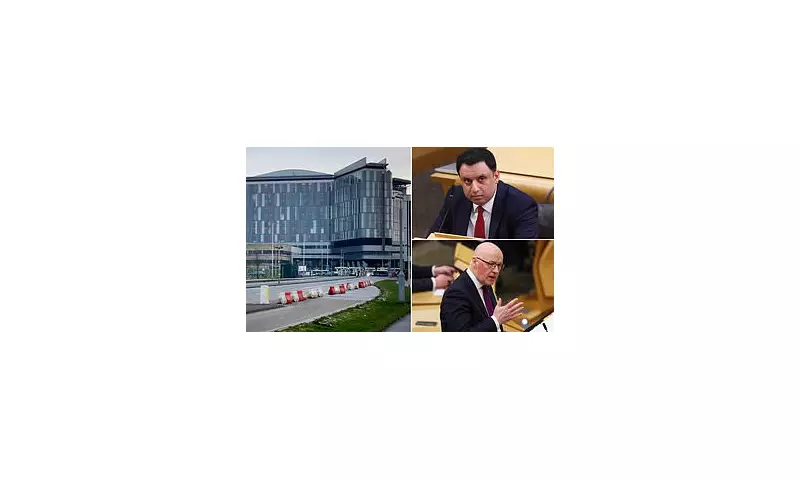
Scottish Labour leader Anas Sarwar displayed the most intense anger observers have ever witnessed from him during First Minister's Questions. This was not theatrical rage but the cold, sober fury of a man whose worst fears had been tragically vindicated—by the entirely preventable deaths of children. Sarwar had been the MSP originally approached by a whistleblower alleging a cover-up surrounding a child's death at the hospital.
He subsequently became the determined voice for distraught parents, methodically helping them chip away at what he described as a "bureaucratic edifice of secrecy, lies, half-truths and spin." Now, with the dam of deception finally crumbling and truth flooding forth, Sarwar confronted First Minister John Swinney with the devastating consequences of systemic failure.

The Damning Evidence Presented
The Labour leader quoted directly from the health board's own admission: 'Pressure was applied to open the hospital on time and on budget, and it is now clear that the hospital opened too early. It was not ready.' With palpable anger, he then held aloft an internal report booklet that had warned, just two weeks before the facility's opening, of 'a high risk of infections.' This critical warning had been blatantly ignored.
'Who applied the pressure and why?' Sarwar demanded of Swinney, his voice cutting through the chamber. He dismissed Swinney's claim that the Scottish Government wasn't informed about water contamination issues until 2018 as 'not credible,' instead accusing the SNP administration of 'at least negligence or, more likely, criminal incompetence.' The time for political niceties had clearly passed.
A First Minister Under Siege
Reminding Swinney that he served as a principal minister when the £1 billion Queen Elizabeth University Hospital in Glasgow was rushed into operation, Sarwar repeated his fundamental question with relentless focus. Swinney sought refuge behind the government's decision to hold a public inquiry—a move critics argue was only undertaken after being dragged kicking and screaming to accountability.
Sarwar described the cover-up as 'the biggest scandal in the history of the parliament' and accused both health board officials and government ministers of having 'closed ranks' to protect themselves. As Swinney's credibility visibly ebbed away, he struggled to complete sentences without interruption, notably from Tory MSP Stephen Kerr's shouted interventions.
The Whiff of Rot Extends Elsewhere
The odour of decay extended beyond the hospital scandal. Labour's Katy Clark pressed the government on whether it would comply with that day's deadline to release documents from the inquiry that had cleared former First Minister Nicola Sturgeon of misleading parliament. The Information Commissioner had mandated disclosure, yet SNP ministers had thus far refused.
Swinney offered a carefully worded commitment to 'comply with the Commissioner’s decision… as soon as is practicably possible,' a statement that drew audible gasps. Legal experts noted this wasn't genuine compliance, likely ensuring the matter would proceed to the Court of Session—wasting more taxpayer money defending the SNP's right to withhold public documents.

Accusations of Using Victims as Shields
The First Minister justified withholding the Sturgeon inquiry papers by claiming public release could facilitate identification of the woman who lodged complaints against Alex Salmond. This defence provoked a remarkable intervention from former SNP colleague Fergus Ewing, who accused Swinney of 'using the excuse of jigsaw identification as a human shield' to conceal information whose only real risk was causing 'extreme embarrassment to several people who are in the Scottish Government.'
Swinney performed what critics described as a 'fainting maiden routine' over Ewing's use of the word 'excuse,' insisting his duty was 'at all times is to obey the law.' Yet he failed to provide a satisfactory answer to the substantive charge. With each protest and evasion, the stench of scandal only grew stronger, leaving a Parliament and a public demanding accountability for needless tragedy.