As the inquiry into the Post Office Horizon IT scandal prepares to hear closing arguments after more than 1,000 days, evidence from key witnesses has painted a picture of tears, buck-passing, and systemic failures. The inquiry, which opened on Valentine’s Day 2022, has heard from over 5,000 witnesses and millions of pages of testimony. The final report is expected in 2025, aiming to prevent a repeat of the miscarriages of justice that led to hundreds of wrongful convictions.
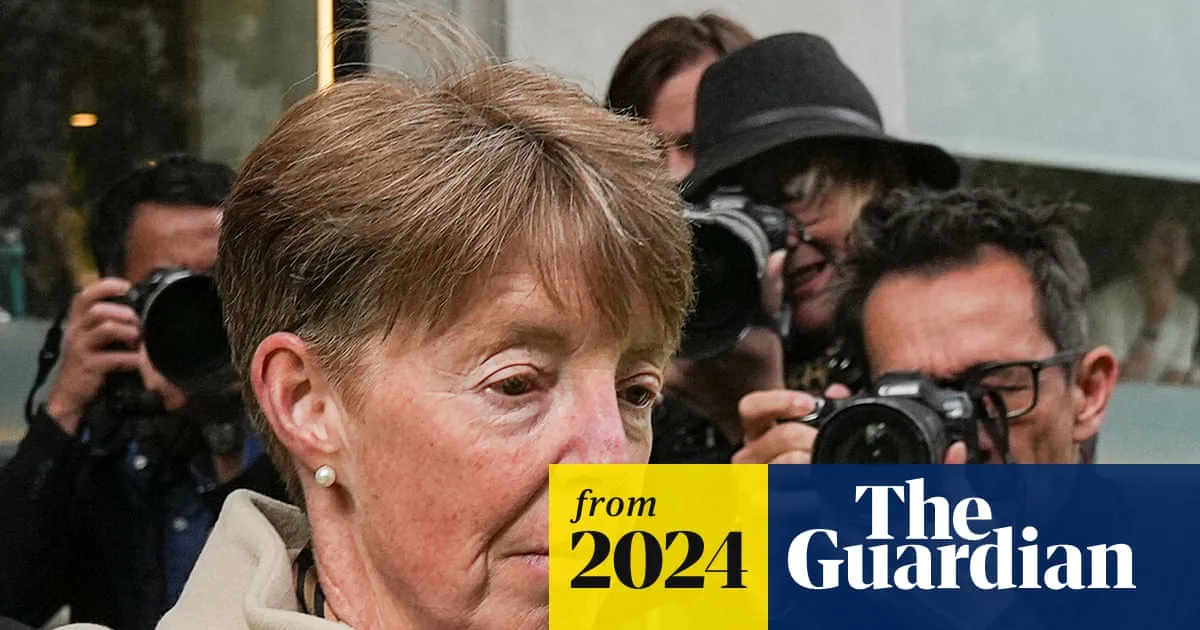
Former Post Office chief executive Paula Vennells broke down in tears during her evidence, claiming she had been misled by staff over the safety of prosecutions. She said she had been “too trusting” and only later learned that people “knew more than perhaps either they remembered at the time or I knew.” However, evidence showed she had been told of faults in the Horizon system as early as 2011 in an IT audit report, which she said she had not understood.
Current chief executive Nick Read, who took over in 2019 with a pledge to “right the wrongs,” faced questions about his use of the word “untouchable” to describe investigators. He denied the claim, stating “no one is untouchable. No one is above the law.” Read also acknowledged that some within the Post Office still believe some exonerated sub-postmasters were guilty, and expressed frustration at the difficulty in tracing the £36m that sub-postmasters were forced to repay.
Former chair Tim Parker admitted the Post Office may have “relied too heavily on the advice of lawyers” in defending a 2017 high court case brought by Alan Bates and 554 others. He commissioned a barrister’s report in 2016 on handling complaints but never shared it with the board, accepting that doing so could have led to a “different approach” in the lawsuit.
Business improvement director Angela van den Bogerd told the inquiry she “did not knowingly do anything wrong,” but was shown emails from 2010, 2011, and 2014 referencing remote access to Horizon, which she claimed she only learned about “a year or so” before her 2018 high court testimony. Police have now identified dozens of persons of interest and recruited 100 extra officers to investigate executives, legal teams, and civil servants.