Epstein Emails Reveal Andrew's Dinner Date Offer and Film Plot Idea
Epstein Emails: Andrew's Dinner Date and Film Plot

Epstein Files Expose Andrew's Dinner Date Offer and Controversial Film Concept

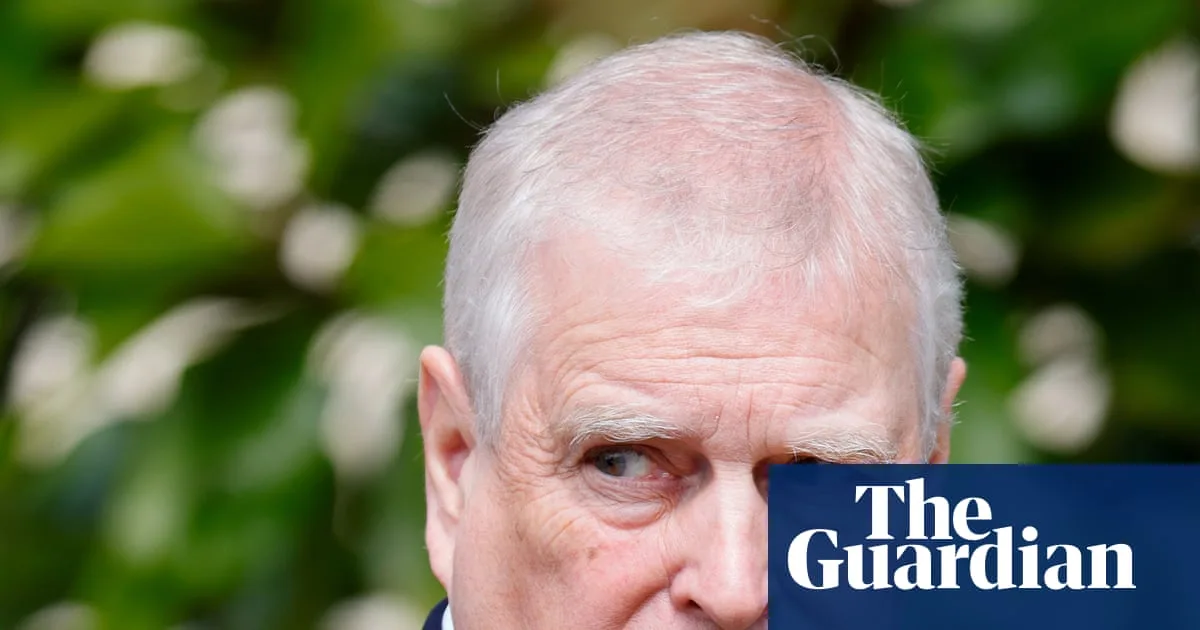
Freshly disclosed documents from the Jeffrey Epstein investigation have unveiled startling communications between the deceased financier and Andrew Mountbatten Windsor, the former Duke of York. The emails, dated from August 2010, reveal Epstein's offer to arrange a dinner for Andrew with a young Russian woman described as "beautiful" and "trustworthy," just months after Epstein's release from prison.

"Good to Be Free?" Exchange and Dinner Proposal

In the correspondence, Andrew inquired of Epstein, "Is it good to be free?" to which Epstein replied, "It is great to be free of many things." Shortly after, Epstein proposed setting up Andrew with a woman named Irina, stating she would be in London from the 20th to the 24th and was 26 years old, Russian, clever, and beautiful. Andrew, then 50, expressed delight at the prospect and asked if she would bring a message from Epstein. It remains unclear whether the meeting ever occurred.

Andrew also voiced frustrations in the emails, complaining, "So many opportunities that I am frustratingly not allowed to participate in. And so many that are obvious but can't get anyone to fire on." Some sections of the exchange are redacted, adding to the mystery surrounding their discussions.

Epstein's Film Plot Idea Inspired by False Accusations

In a separate series of emails from 2015, Epstein engaged with major movie producer Barry Josephson about developing a fictionalised film centred on individuals falsely accused of sexual misconduct. He cited Andrew Mountbatten Windsor and Bill Cosby as inspirations for the project, suggesting a narrative involving jets, yachts, islands, and mansions.

Epstein elaborated on the concept, proposing it could feature "princes, politicians, beautiful girls, the one percent, etc." and include elements like fake detectives and hidden videos of girls scheming to get rich. He described it as a "fake tell-all" filmed by one of the girls, involving lawyers coaching them on what to say, with references to figures like Virginia Roberts.

Josephson responded positively, noting this perspective was "certainly the side of the coin NOT covered by news outlets," and offered to proceed with the project through his company, ensuring anonymity if desired. He recommended Epstein watch the 1981 film Absence of Malice for inspiration and expressed willingness to assist with writers and directors.

Massive Document Release Under Transparency Act

The Justice Department has initiated a substantial release of records from its Epstein investigative files, complying with the Epstein Files Transparency Act. This law, enacted after public pressure, mandates disclosure of government files on Epstein and his associate Ghislaine Maxwell. Deputy Attorney General Todd Blanche announced the release of over 3 million pages of documents, along with more than 2,000 videos and 180,000 images, posted to the department's website.

Blanche acknowledged a widespread hunger for information but cautioned that these documents might not satisfy all inquiries, stating, "We did not protect President Trump. We didn't protect — or not protect — anybody." The release includes materials withheld from an initial disclosure in December, aiming to provide transparency on Epstein's abuse and his connections with influential figures.

This latest dump continues to fuel speculation among online communities and underscores the ongoing scrutiny into Epstein's network and activities.