Ukrainian Skeleton Star's Olympic Appeal Rejected Over Controversial Helmet
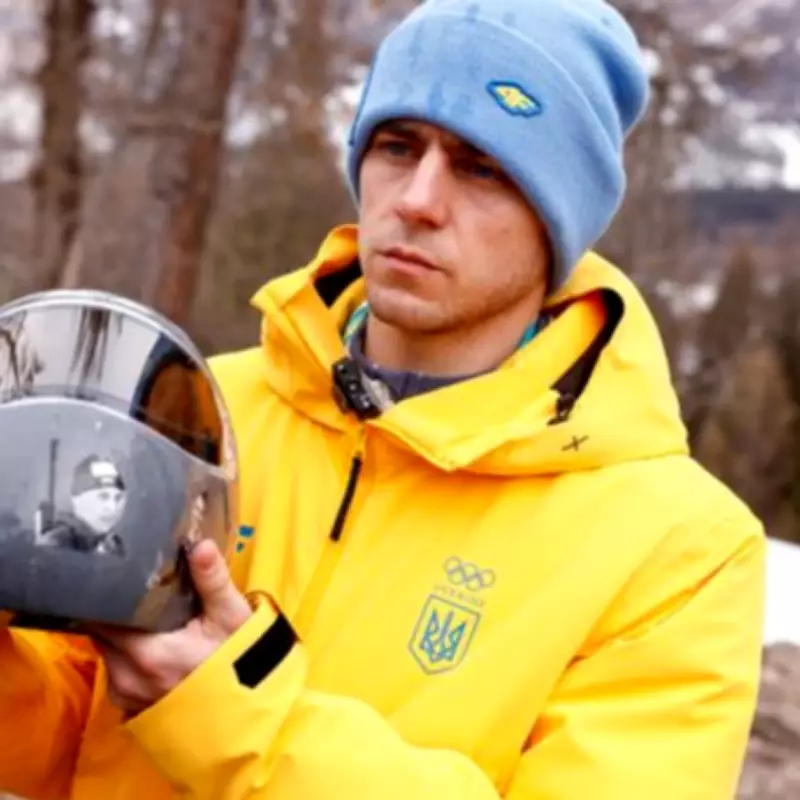
Ukrainian skeleton athlete Vladyslav Heraskevych has been unsuccessful in his appeal against disqualification from the Winter Olympics. The Court of Arbitration for Sport (CAS) upheld the decision, which stemmed from Heraskevych wearing a helmet displaying photographs of individuals killed in the conflict with Russia during competition.
Urgent Hearing and Final Ruling
The slider attended an urgent hearing in Milan on Friday morning, seeking either reinstatement into the event or permission to complete a supervised run while awaiting a final ruling. A sole arbitrator was appointed to examine the case as a matter of urgency, given the event's conclusion on Friday evening. Following the hearing, the appeal was rejected.
A statement from CAS explained: "The sole arbitrator, whilst fully sympathetic to Mr Heraskevych's commemoration, is bound by rules in the IOC Athlete Expression Guidelines. The sole arbitrator considers these Guidelines provide a reasonable balance between athletes' interests to express their views, and athletes' interests to receive undivided attention for their sporting performance on the field of play."

Sympathy and Regulatory Boundaries
The arbitrator acknowledged Heraskevych's intentions, stating: "She is fully sympathetic to Mr Heraskevych's commemoration and to his attempt to raise awareness for the grief and devastation suffered by the Ukrainian people, and Ukrainian athletes because of the war." However, the decision emphasized adherence to Olympic regulations.
Heraskevych's accreditation had been initially revoked before International Olympic Committee president Kirsty Coventry intervened to restore it, a move supported by the arbitrator.
Athlete's Perspective on Propaganda and Rights
When outlining his intention to appeal, Heraskevych expressed strong views on the geopolitical context. He said: "I believe this Olympic Games is playing along with Russian propaganda. We already saw a lot of Russian flags on a fence, on an athlete’s helmet, in the news, it's everywhere. Because it really makes a huge impact on Ukraine."
He referenced comments by Olympic champion Alexander Tikhanov in Russian media, adding: "Tikhanov said in Russian media that we are not even a nation, and we do not exist as a nation. And I believe, now, when our rights are pressed, that this situation also plays alongside this propaganda."
Reflecting on his decision to proceed with the appeal despite advice against it, Heraskevych noted: "Many people told me don't do it, and that I have proved my point, but I can't betray others. I feel emptiness. I think she [Coventry] was nervous about the situation. I want to believe that because she felt sorry. I still believe that we didn't violate any rules."
The Milano Cortina 2026 Winter Olympic Games, running from February 6-22, continues without Heraskevych's participation, highlighting the ongoing tensions between athletic expression and regulatory frameworks in international sports.