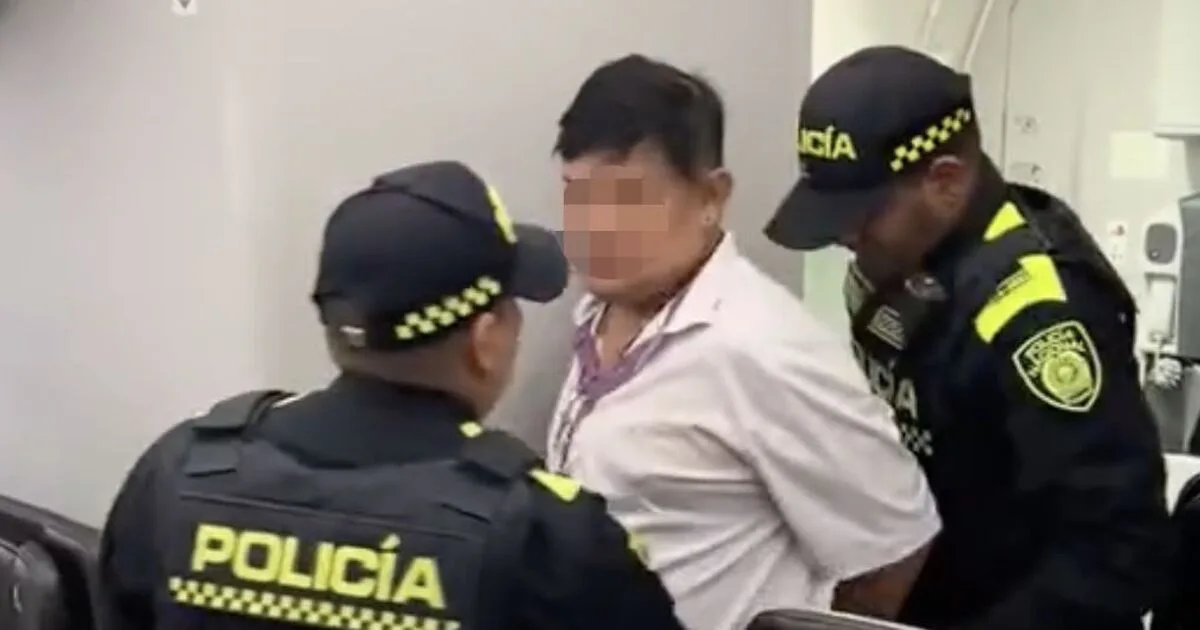
Ministers are examining measures that could see repeat troublemakers barred from future flights as concerns mount over disorder in the skies. Officials are considering a system that would allow airlines to identify passengers with a history of serious misconduct and potentially refuse them travel.
Under the proposals, which remain in the early stages of development, information relating to blacklisted passengers could be made available across the aviation sector. If an individual attempted to book a flight after being placed on the list, the airline or tour operator could be alerted and given the option of blocking the booking, effectively preventing that person from flying again.
However, civil liberties campaigners have voiced concerns about the plans, warning they could create a 'dangerous precedent' involving the sharing of personal information and restrictions on access to transport services. At present, airlines can ban passengers who have behaved violently or abusively while travelling with them, but current restrictions only apply to the carrier involved in the incident, meaning offenders can often avoid sanctions simply by booking with a rival airline.

The main obstacle to any new scheme is existing data protection legislation, which prevents carriers from sharing passenger information with one another, even in cases where criminal offences have been committed. Pressure for tougher action has intensified following several high-profile onboard disturbances that have attracted widespread attention online, including incidents involving death threats directed at cabin crew and violent confrontations between passengers.
It is understood the proposals are being developed by the Home Office and Department for Transport but remain at the concept stage and require further consultation with the aviation industry. A government source said: 'Everyone should be able to enjoy a pint at the airport, but anti-social behaviour on flights is totally unacceptable. It threatens the safety of passengers and crew and disrupts hard-earned holidays.'