

Torvill and Dean's Olympic Journey: Triumph and Turmoil on Ice
In February 1984, Jayne Torvill and Christopher Dean delivered one of the most iconic moments in British Olympic history at the Winter Games in Sarajevo. Their gold medal-winning performance of Boléro in ice dancing mesmerised audiences and judges alike, setting a standard that would define their legacy. However, a decade later at the 1994 Lillehammer Olympics, their comeback bid ended in controversy, as a disputed rule violation saw them settle for bronze, igniting a fierce international debate over judging and athletic evolution.
Sarajevo 1984: A Golden Night of Perfection
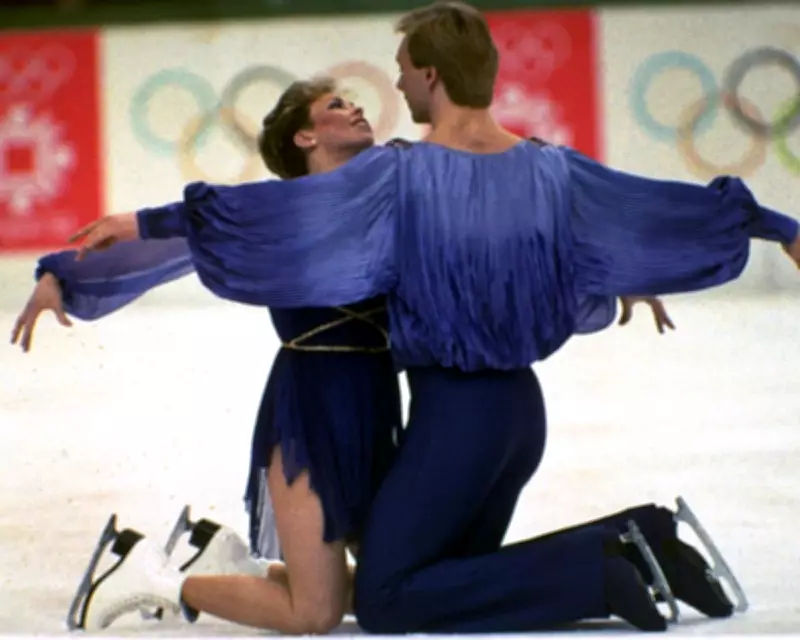
On 15 February 1984, Torvill and Dean held a capacity crowd at Sarajevo's Zetra Stadium spellbound with their Boléro routine. The nine-member judging panel awarded them an astonishing 12 out of 18 possible perfect scores of 6.0, with the artistic impression marks being straight sixes. Their performance began with a hypnotic, kneeling start that drew criticism from rivals, including the Russian coach Natalia Bestemianova, who argued it involved excessive posing outside the skating time limit.
The routine featured innovative moves, such as Dean executing a 180-degree turn while in the splits and a complex lift where Torvill slithered snake-like down his body. Dean emphasised the need for continual development, noting that new elements were incorporated after their European Championship win earlier that year. The four-minute performance, filled with intricate details, ended with both skaters sprawled face-down on the ice, leaving spectators yearning for more.

Lillehammer 1994: A Controversial Bronze Amidst High Stakes
Ten years later, Torvill and Dean returned to the Olympic stage in Lillehammer, seeking to reclaim glory. Their routine captivated a live audience of 6,000 and 23 million British TV viewers, with many observers deeming it flawless. However, judges penalised them for an acrobatic movement—a lift where Dean whirled Torvill over his head in a somersault—deemed illegal under new rules implemented after the 1992 Olympics.
International referee Hans Kutschera explained that this violation cost them marks, resulting in a bronze medal behind Russian pairs Oksana Gritschuk and Yevgeny Platov, and Maya Usova and Alexander Zhulin. The decision sparked outrage in Britain, with headlines like "Hang Those Judges" and polls showing 98% of callers believed the pair were robbed. In contrast, European media criticised their performance as outdated, with French papers attacking Torvill's appearance and speed.
Dean defended Torvill against weight claims, noting only a change in shape, while revelations surfaced about his superstitious use of Marks & Spencer underpants from the 1984 Games. The event drew the largest UK sports audience since the 1990 World Cup, underscoring its cultural impact. Fellow skater Karen Barber echoed public sentiment, stating that the real champions received bronze.
Legacy and Lasting Impact
Torvill and Dean's Olympic saga highlights the highs and lows of elite sport, from the perfection of Sarajevo to the contentious judging of Lillehammer. Their influence on ice dancing endures, marked by innovation and resilience. As archives recall, their story remains a poignant chapter in Team GB's Winter Olympics history, reflecting broader themes of athleticism, rule changes, and media scrutiny in international competition.






