The Unfair Fallout: How the NFL's Gender Bias Shattered a Reporter's Career
In a story that has rocked the sports world, Dianna Russini, a prominent NFL reporter, resigned from her position at the Athletic amid swirling rumors about her relationship with New England Patriots head coach Mike Vrabel. The saga began when photos surfaced of Russini and Vrabel holding hands at a luxury resort in Sedona, Arizona, sparking intense speculation. Both individuals, who are married to other people, issued statements denying any wrongdoing, but the controversy only intensified, leading to Russini's departure while Vrabel continues his coaching duties unaffected.
A Predictable Outcome in a Male-Dominated Arena
This incident underscores a troubling pattern in the NFL and sports media at large. Women, particularly those who are outgoing and attractive like Russini, are often subjected to heightened scrutiny and blame. The internet was quick to point fingers at Russini, with publications like People magazine delving into her personal life, while Vrabel faced minimal backlash. As Russini fights to salvage her career and reputation, Vrabel's primary concern remains preparing for the NFL draft, with Patriots vice-president of player personnel Eliot Wolf noting his increased involvement in team activities.
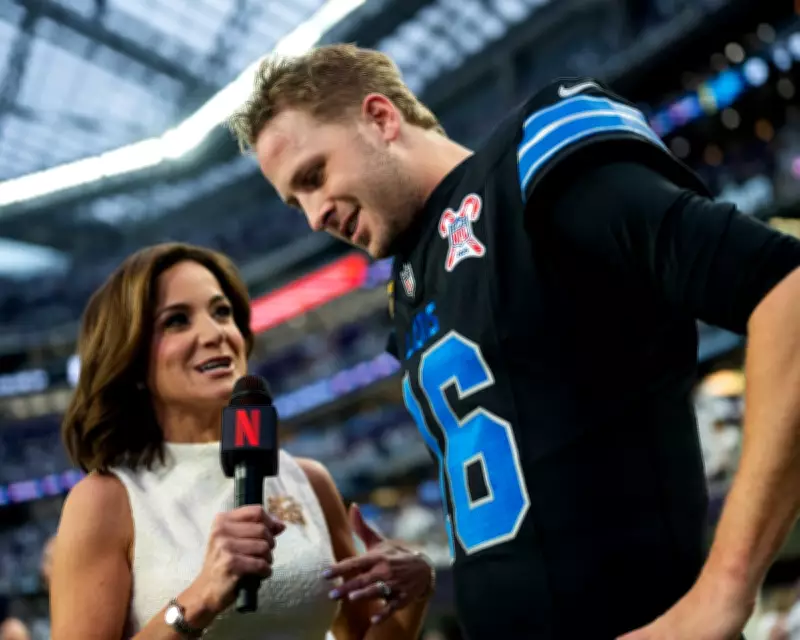
Many argue that Vrabel's role is to coach football, while Russini's requires journalistic neutrality, justifying his continued employment. However, this reasoning ignores the inherent double standards at play. NFL reporting is fiercely competitive, built on relationships that often blur professional lines. Reporters frequently socialize with coaches and general managers to gain insights, a dynamic that becomes exponentially more challenging for women navigating a male-dominated field.

Comparing Scandals: Russini vs. Schefter
The disparity in treatment becomes stark when comparing Russini's situation to that of Adam Schefter, a well-known NFL insider. In 2021, an email from Schefter to Washington's team president Bruce Allen was uncovered, where Schefter asked for approval on an unpublished article, a clear violation of journalistic ethics. Despite this, Schefter retained his job at ESPN, with his career flourishing due to his value as a breaking news source. In contrast, Russini's hazy relationship with Vrabel, without proven misconduct, led to her resignation.
One key difference is that Schefter's actions were documented and provable, yet his male privilege and professional worth shielded him from consequences. As a man on television, he faces no expiration date as long as he delivers news, whereas Russini, as a woman, is now branded by the scandal. This highlights how the NFL and media outlets often prioritize male contributions while penalizing women for similar or lesser infractions.
The Broader Implications for Women in Sports Media
This saga raises critical questions about the future of women in sports journalism. Unless Russini is absolved, she risks being permanently labeled for breaching media-source boundaries, a stigma that could deter other women from entering the field. Meanwhile, Vrabel's career trajectory remains secure; if fired, he could easily transition to a media role as a TV analyst, leveraging his NFL experience.
The male reporters and NFL staff should recognize their privilege, as the same standards do not apply to them. As attention shifts to Patriots training camp and the upcoming season, Vrabel's worth will be judged solely on wins and losses, while Russini's legacy may be unfairly tarnished. This incident serves as a sobering reminder of the gender biases that persist in professional sports, calling for greater accountability and equity in how scandals are handled.