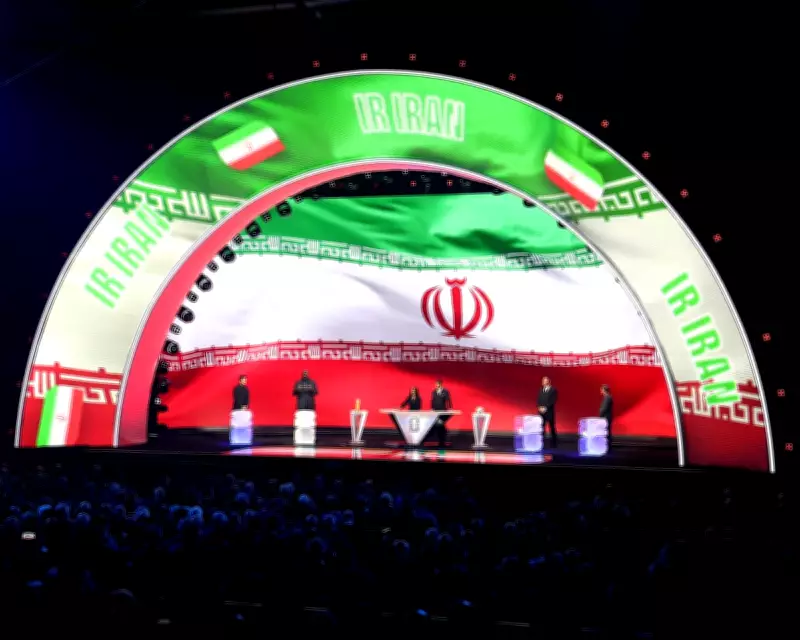
Iraq and UAE Poised to Replace Iran at 2026 World Cup Amid Regional Tensions
FIFA is grappling with the possibility of Iran withdrawing from the 2026 World Cup, a scenario that could see Iraq or the United Arab Emirates step in as replacements. This unprecedented situation stems from the ongoing Middle East crisis, which has cast doubt on Iran's participation in the tournament set to begin on 11 June.
FIFA's Vague Regulations and Iran's Uncertain Status
FIFA's general secretary, Mattias Grafström, recently emphasized the organization's commitment to a safe World Cup with all qualified teams participating. However, Mehdi Taj, president of the Iranian Football Federation, has expressed skepticism, stating, "After this attack, we cannot be expected to look forward to the World Cup with hope." This statement highlights the deep-seated concerns within Iran's football community.
FIFA's regulations regarding team replacements are notably ambiguous. The rules grant FIFA "sole discretion" to take necessary actions, including replacing a qualified team with another association. This vagueness leaves room for interpretation as the situation unfolds.

Historical Context and Potential Replacements
If Iran withdraws, it would mark the first such exit since France and India cited travel costs to skip the 1950 World Cup. Iran secured their spot by winning Group A in the AFC qualifying third round, with scheduled matches against New Zealand, Belgium, and Egypt in Los Angeles and Seattle.
In the event of Iran's withdrawal, FIFA sources indicate that Iraq is the primary candidate to fill the vacancy. Iraq recently defeated the UAE in a playoff, advancing to an intercontinental playoff against Bolivia or Suriname on 31 March. Should Iraq qualify independently, the UAE, as the next highest-ranked Asian team without a finals place, would likely be next in line.
Logistical Challenges and Political Tensions
FIFA remains focused on ensuring the World Cup proceeds as planned, despite escalating tensions between Iran and the US. The US government has imposed entry restrictions on Iranian citizens, with exceptions made for the national team and support staff. Notably, several Iranian Football Federation officials, including Mehdi Taj, were denied visas for the World Cup draw in Washington DC last December.
This complex interplay of politics and sport underscores the challenges FIFA faces in maintaining the integrity of the tournament while navigating international conflicts.