Iranian Women's Football Captain Faces Asset Seizure After Asylum Protest
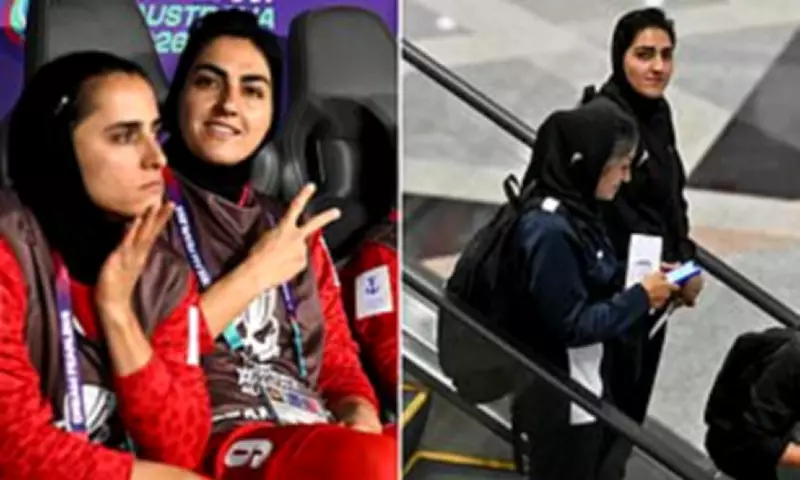
The captain of the Iranian women's national football team, who sought refuge in Australia after a silent protest against Iran's national anthem, has had her assets seized by the Iranian government. Zahra Ghanbari was included on a list of 400 individuals labelled as 'supporters of the enemy' by the Islamic Republic over the weekend, marking a significant escalation in the regime's crackdown on dissent.
Protest and Asylum Offer
The Iranian women's football team arrived in Australia in late February to participate in the Asia Cup. Shortly after their arrival, the United States and Israel launched attacks on Iran, resulting in the death of Supreme Leader Ali Khamenei. On March 2, during a match against South Korea, the team stood in silence as Iran's national anthem played, a quiet protest that led to them being branded as 'wartime traitors' by Iranian media outlets.
In response to fears that the players would face persecution upon returning to Iran, the Australian government offered the team asylum through humanitarian visas. Team captain Zahra Ghanbari and six of her teammates initially accepted this offer, but they abandoned it days later. Reports indicate that threats were made against the players' families still residing in Iran, which heavily influenced their decision to return.

Asset Seizure and Broken Promises
Despite public assurances from Iranian authorities that Ghanbari and other team members would not face punishment for the protest, the recent asset seizures represent a worrying departure from those promises. The government's actions include confiscating bank accounts, movable property, and immovable assets. Authorities typically identify these assets by consulting the state property registration system, and occupants are evicted from any homes belonging to those targeted. These properties are then either sold at auction or repurposed by the regime.
Of the seven teammates who initially accepted asylum in Australia, five have since returned to Iran, leaving only two players remaining in the country. Ghanbari's return was publicly framed as a patriotic decision, but the asset seizures suggest a different reality, highlighting the ongoing risks faced by dissidents in Iran.
Broader Crackdown on Dissent
The list of 'supporters of the enemy' extends beyond athletes to include prominent figures from various sectors. Notable names featured on the list are actor Hamid Farokhnezhad, singers Ashkan Khatibi and Mazyar Fallahi, TV presenter Parastoo Salehi, and soccer player Mohammad Ali Karimi. However, the primary targets of the government's crackdown are Iranians associated with two media outlets: Iran International and Manoto.
Both outlets are among the highest-rated Persian media organisations operating outside of Iran and gained significant popularity for their coverage of the 'Woman, Life, Freedom' protests in 2023 and nationwide demonstrations in January of this year. The Islamic Republic has accused Iran International of having links to Israel, despite the agency being owned by Volant Media and holding a UK broadcasting licence through Global Media, neither of which have affiliations with Israel.
According to reports from the Iranian outlet Mehr, the asset seizures are part of a broader legal effort to intensify punishments for espionage and collaboration with hostile countries, specifically targeting actions perceived as threatening national security and interests. This move underscores the regime's continued suppression of free expression and dissent, both domestically and internationally.