

The commentator's rapid-fire delivery of scores and statistics, reminiscent of an enthusiastic bingo caller, highlighted exactly why many viewers cherish watching sports on the BBC. It evoked nostalgic memories of childhood, when the Summer or Winter Olympics would grace television screens every few years, bringing a parade of extraordinary athletic feats into living rooms across the nation.
A Captivating Winter Spectacle
Last Saturday evening, after enjoying a film with my sixteen-year-old son, we stumbled upon the Men's Snowboard Big Air Final and found ourselves utterly mesmerised. Initially, our curiosity was piqued by the quirky term "goofy stance" listed beside some athletes' names—a technical detail that remains somewhat mysterious but certainly added a light-hearted moment to our viewing experience.
The Thrill of the Jump
By the conclusion of the event, we were wholeheartedly cheering for those daring competitors who launched themselves down steep slopes and soared into the air with apparent disregard for the perilous landings that awaited them. The coverage was nothing short of spectacular, with drones meticulously tracking each athlete's descent, capturing every nuanced moment of their quest for glory against the backdrop of a massive, intimidating slope.

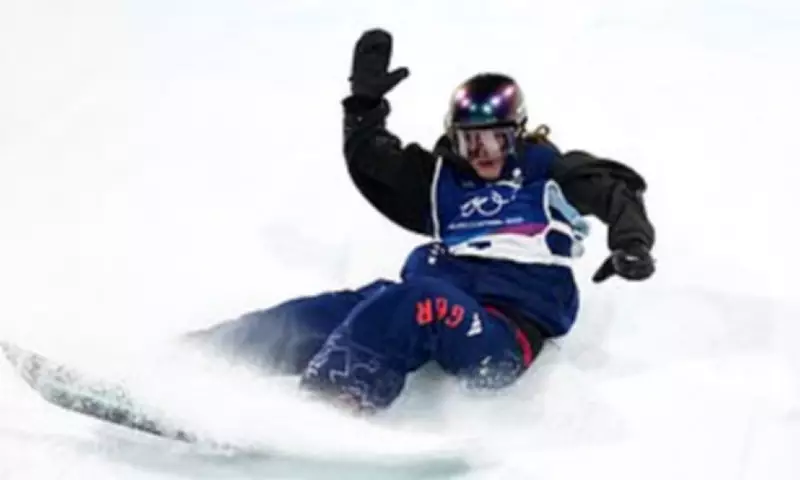
Team GB's Mia Brookes showcased her skills in the women's Snowboard Big Air event, while other notable participants like Zoi Sadowski Synnot took practice jumps, and Scotland's Kirsty Muir soared through the air during the freeski slopestyle competition, each adding to the event's dramatic tension.
Expert Commentary and Inclusive Presentation
The BBC commentators were visibly enthralled by the action. At times, they seemed to overlook that their audience might include newcomers to snowboarding, but as the competition progressed into Monday's events—featuring British hopefuls like Kirsty Muir and Mia Brookes vying for medals—they made a concerted effort to elucidate the sport's finer points, enhancing viewer understanding and engagement.
The BBC's Broadcasting Excellence
While critics often scrutinise the BBC's approach to sports coverage, this instance demonstrated the broadcaster at its finest: providing a gateway into unfamiliar worlds, whether through the Olympics, Wimbledon, or Ski Sunday. Knowledgeable presenters, insightful pundits, and high-quality, comprehensive event coverage form the cornerstone of this success.
Hazel Irvine, in particular, exemplifies professionalism and polish in the presenter's chair, earning admiration for her brilliant execution. In an era dominated by niche content, the BBC's ability to broaden horizons and make complex sports accessible is a valuable reminder of its public service role.
Unforgettable Sporting Drama
The snowboard big air event in Italy provided an incredible and daunting setting, where athletes like Japanese snowboarder Momo Suzuki defied gravity with breathtaking aerial manoeuvres. The BBC's coverage of Kirsty Muir's medal bid was described as quite sensational, capturing the slap-in-the-face jeopardy that makes sporting drama so compelling, regardless of the arena.
Heartbreak and Excitement Across Disciplines
This intensity extended beyond snowboarding, as seen in the curling rink where Scottish duo Jen Dodds and Bruce Mouat narrowly missed a medal in the mixed doubles—a tense, compelling, and heartbreaking moment that left viewers craving more, albeit with hopes for a British victory next time.
For those seeking utter chaos, the Mixed Team Relay in Short Track Speed Skating offered bedlam on ice, further showcasing the diverse thrills of the Winter Olympics. Through it all, the BBC's coverage served as a masterclass in bringing these global sporting narratives to life, reminding audiences why it remains a beloved institution in broadcasting.






