Aluko Clashes with Woods Over Male Pundits in Women's Football Broadcasting
Aluko and Woods Clash Over Male Pundits in Women's Football

Aluko Defends 'Gatekeeping' Stance Amid Woods' Criticism

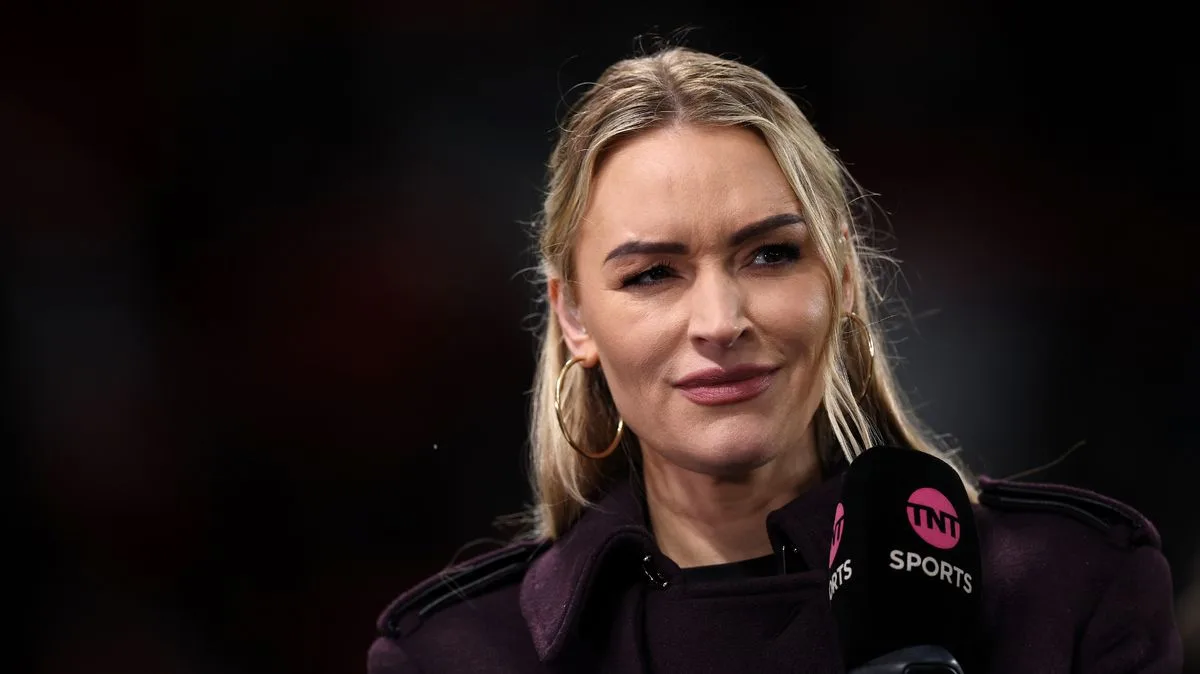
Eni Aluko has issued a firm response to fellow broadcaster Laura Woods, who publicly criticised Aluko's recent comments about male pundits working in women's football coverage. The exchange has reignited a heated debate about gender representation in sports broadcasting, particularly surrounding high-profile tournaments like the Women's Euros.

The Core Disagreement Over Representation

Aluko reiterated her position that women's football should be "gatekept" to prioritise female voices, similar to how men's football predominantly features male pundits. "I believe that women's football should prioritise women as the faces of the sport - it's as simple as that," Aluko stated in her response to Daily Mail Sport. "I think women should be the dominant force in the women's game in the same way that men are the dominant force in the men's game."

The former England international clarified that she isn't advocating for complete exclusion of men from women's football coverage, but rather for clearer role definitions. "No one is saying any man should be excluded but the roles do need to be defined," she explained. "That's all I'm saying - and people are quite free to disagree whilst respecting my right to an opinion too."

Woods' Counterargument for Inclusion

Earlier on Monday, Woods had taken to social media platform X to challenge Aluko's perspective, calling the phrase "the women's game should be by women for women" one of the "most damaging" she's heard. "It will not only drag women's sport backwards, it will drag women's punditry in all forms of the game backwards," Woods argued.

The ITV presenter emphasised that growing the sport requires broader appeal rather than restriction. "If you want to grow something, you don't gate keep it," Woods wrote. "We want to encourage little boys and men to watch women's football too, not just little girls and women. And when they see someone like Ian Wright taking it as seriously as he does - they follow suit. That's how you grow a sport."

Woods pointed to ITV's recent success at the Broadcast Sport Awards 2025, where their Women's Euros coverage won best production and commentator Seb Hutchinson received individual recognition. "So I think ITV got it just right," she concluded.

Historical Context and Previous Controversies

This latest exchange follows Aluko's previous criticisms of male pundits in women's football, particularly focusing on Ian Wright and Nedum Onuoha's involvement in major tournament coverage. Aluko had expressed frustration last year about being overlooked for final coverage despite her extensive playing experience, noting that she and fellow former international Fara Williams possessed nearly 300 caps between them while watching from the stands.

"I have never done a final and I am probably going to struggle to think of any woman, female pundit, who has done a men's major final," Aluko remarked previously, highlighting what she perceives as an imbalance in opportunities.

The situation became particularly contentious when Aluko publicly apologised to Wright for suggesting he was blocking opportunities for female pundits, only to have her apology rejected. Aluko later claimed this rejection led to professional consequences, stating she hasn't worked alongside Wright since their public disagreement.

Professional Credentials and Experience

In her latest statement, Aluko defended her broadcasting credentials, noting her eleven years working alongside respected pundits. "It's therefore clear I was considered one of the best too if I was part of the same punditry team," she asserted. "No one who has ever hired me as a pundit has said I wasn't good enough or did not have all the attributes Laura referred to. Quite the contrary."

Woods had earlier emphasised that playing experience alone doesn't guarantee broadcasting success, listing communication skills, research quality, audience engagement, and on-screen chemistry as crucial factors for effective punditry.

The Broader Implications for Women's Sports

This public disagreement between two prominent figures in women's football broadcasting highlights ongoing tensions about how best to develop and present the sport. While Aluko advocates for prioritising female voices to maintain the women's game's distinct identity, Woods argues for inclusive approaches that might accelerate growth and mainstream acceptance.

The debate touches on fundamental questions about representation, opportunity, and the balance between preserving women's spaces in sport versus pursuing broader appeal through diverse representation. As women's football continues to gain popularity and commercial significance, these discussions about who should be telling its stories are likely to persist and evolve.