In a striking display of political pragmatism, President Donald Trump has developed an unexpectedly cordial, texting-based relationship with New York City's socialist Mayor, Zohran Mamdani, despite their profound ideological differences.
From Public Confrontation to Oval Office Meeting
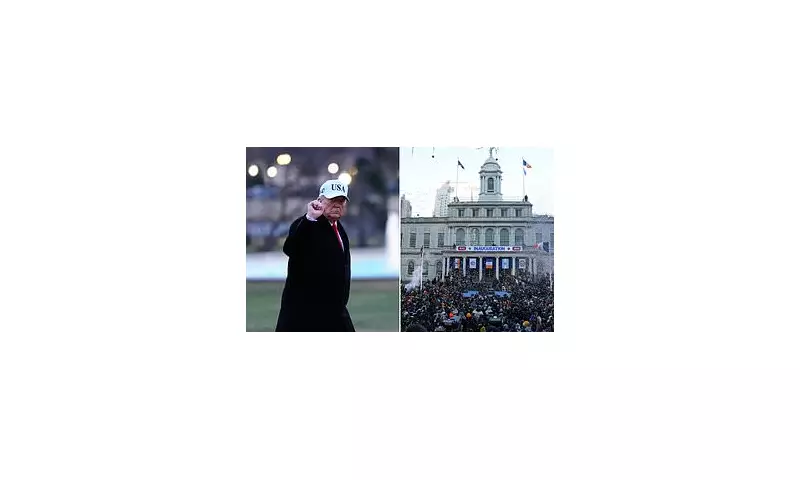
The dynamic between the two figures began with public hostility. During his victory speech in Brooklyn in November 2025, the newly elected Mayor Mamdani directly called out Trump, labelling him a former city landlord who built wealth "on the backs of the less fortunate." He vowed to end the "culture of corruption" that allowed billionaires like Trump to exploit tax breaks.
Yet, in a swift turnaround shortly after the election, Mamdani was welcomed by Trump in the Oval Office on November 21, 2025. The pair pledged to collaborate on pressing issues for New Yorkers, including housing affordability and public safety. Trump reportedly told the Mayor he expected him to "surprise some conservative people" and even complimented his appearance, saying he was "even better-looking in person."

The Birth of an Unlikely Texting Partnership
Following that meeting, the two politicians exchanged phone numbers, and a regular texting dialogue began, according to sources. This development is particularly remarkable given Trump's campaign trail rhetoric, where he branded Mamdani a "100% Communist Lunatic," threatened him with deportation, and suggested cutting federal funds to the city.
The relationship has had immediate ripple effects on New York's political landscape. It effectively undermined attacks from New York Republican Congresswoman Elise Stefanik, who had called Mamdani a "jihadist" and sought to tie Governor Kathy Hochul to him during her gubernatorial campaign. When questioned about Stefanik's comments, Trump dismissed them as mere campaign talk, defending Mamdani as a "rational person." Stefanik subsequently dropped out of the governor's race in late December.
Implications for Partisan Politics
This alliance between a Republican President and a prominent Democratic Socialist mayor challenges conventional partisan warfare. It suggests a transactional, personality-driven approach to governance from Trump, prioritising potential deal-making over ideological purity. For Mamdani, it represents a pragmatic step to secure cooperation on local issues from a federal administration that was once his chief antagonist.
Whether this unexpected political détente will yield concrete policy results for New York City remains to be seen. However, it has already altered the state's political dynamics and serves as a potent symbol of how traditional political alliances can be upended by personal rapport and practical necessity.