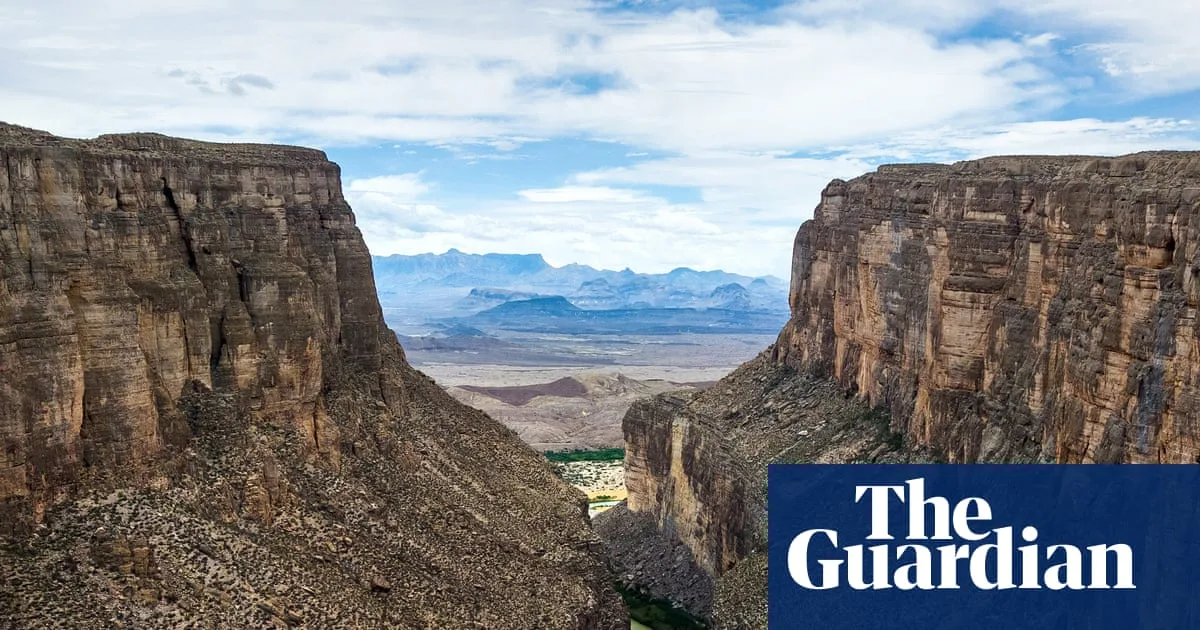
Trump Administration Seeks to Waive 28 Environmental Laws for Texas Border Wall
Trump Admin Waives 28 Environmental Laws for Texas Border Wall

Conservation organisations are raising urgent alarms following the Trump administration's recent move to waive nearly 30 federal environmental regulations in order to accelerate construction of a 175-mile border wall through Texas' iconic Big Bend region. A formal notice published in the Federal Register reveals that the Department of Homeland Security intends to bypass 28 critical laws to "ensure the expeditious construction of barriers and roads" along the US-Mexico border.

Key Environmental Protections Under Threat

The proposed waivers would suspend landmark environmental legislation including the Endangered Species Act, the Clean Water Act, and the National Environmental Policy Act. These laws represent fundamental protections for vulnerable wildlife populations, precious waterways, and cherished public lands across the United States. If approved, the construction project would carve through the Big Bend area near both Big Bend National Park and Big Bend Ranch State Park, traversing delicate desert terrain alongside the Rio Grande river.

Immediate Conservation Backlash

The National Parks Conservation Association responded swiftly with strong criticism of the proposal. Cary Dupuy, the organisation's Texas regional director, described the plan as "devastating" for the region's ecological integrity. "Building a border wall through Big Bend National Park would choke off vital wildlife migration routes, intensify flooding risks, and inflict irreparable damage to one of our country's most iconic national parks," Dupuy warned.

Archaeologist David Keller, who works in the region, characterised the barrier plans as "the military industrialization of one of the last great, unspoiled places left in the United States." He told Inside Climate News that "one of our most beloved national parks and the largest park in Texas will be scarred beyond repair" by such construction.

Former Park Superintendent's Concerns

Bob Krumenaker, who served as superintendent of Big Bend National Park from 2018 to 2023, expressed support for enhanced electronic border detection systems but cautioned that physical wall construction "would change the park irrevocably." He noted that a project of this magnitude would require substantial infrastructure currently absent from the park, including staging areas, access roads, electrical systems, and lighting installations.

Local Opposition and Lack of Consultation

Local officials report that the federal government has failed to share detailed plans with communities, while many residents and conservation advocates strongly oppose the border wall proposal. Pecos County Judge Joe Shuster voiced the sentiment of many locals, stating "Nobody wants this damn wall. It serves no purpose. It would destroy the beauty of Big Bend National Park," according to Dallas News reports.

The proposed corridor would stretch approximately 175 miles from near Fort Quitman outside Sierra Blanca to just upstream of Closed Canyon in Big Bend Ranch State Park, as reported by the Big Bend Sentinel.

Construction Timeline and "Smart Wall" Plan

The Department of Homeland Security announced on Tuesday that Parsons Government Services will manage construction, with completion anticipated by early 2028. A US Customs and Border Protection spokesperson informed Marfa Public Radio that the contracts form part of the administration's "Smart Wall" initiative, combining physical barriers with advanced detection technology to monitor border crossings. Construction could potentially begin "toward the end of the year."

Contradictory Border Data

Despite the DHS describing the Big Bend Sector as "an area of high illegal entry" in their Federal Register filing, recent CBP data reveals a sharp decline in border arrests. Figures dropped from 11,823 in Fiscal Year 2023 to approximately 4,000 in Fiscal Year 2025. Statewide construction progress has also lagged significantly, with the Texas Tribune reporting in June 2025 that just eight percent of the planned wall had been completed, while the Texas Facilities Commission noted 66.4 miles had been finished.

Economic and Ecological Consequences

Big Bend's dramatic cliffs, spectacular river canyons, and breathtaking Chihuahuan Desert vistas attract visitors from across the globe. Dupuy highlighted that tourism generated more than $60 million for nearby communities in 2024 alone. "We should not risk this treasured place for the sake of a border wall, particularly when there are other options on the table," he argued.

Dupuy emphasised that Big Bend National Park, Big Bend Ranch State Park, and protected lands across the Rio Grande in Mexico constitute a single interconnected ecosystem. "Dividing this pristine, irreplaceable desert would force residents and resource stewards to manage one side of the river at a time," he explained. "Wildlife and communities on both sides of the wall would suffer, and nobody would be the winner here."

Alternative Approaches and Environmental Concerns

Conservation advocates note that the region's harsh terrain already functions as a natural barrier and argue that surveillance technology would cause substantially less environmental damage than miles of steel fencing. The construction push coincides with increased federal presence along the southern border, with Marfa Public Radio reporting nearly a year ago about growing military activity in the region.

Meanwhile, Big Bend National Park faces existing environmental challenges, including water shortages that forced the closure of the park's only hotel in the Chisos Basin in late January. Conservation groups warn that steel fencing, new access roads, and heavy construction equipment could disrupt wildlife movements, alter flood patterns, and permanently transform the landscape.

Lack of Environmental Mitigation Plans

Federal officials have not explained how they would minimise environmental damage if the regulatory waivers receive approval. The Department of Homeland Security did not respond to repeated requests for comment regarding their rationale for seeking to bypass environmental protections.

"We need to look for border solutions that are as unique as our landscapes and communities," Dupuy concluded. "And we must ensure the solutions we find don't destroy the national treasures we've committed to protecting."