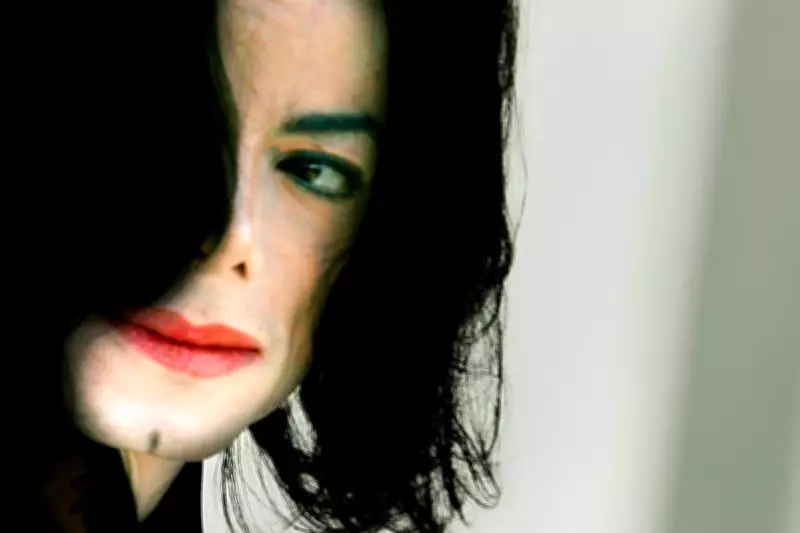
Despite film critics reacting with horror, the Michael Jackson biopic 'Michael' is a massive hit. Not only is it financially successful—estimated to make $150 million globally this weekend—but audiences love it, giving it an A- grade in US cinemas. On Rotten Tomatoes, professional reviews rate it 40% fresh, while audience scores hit 96%. The gap between critics and fans has rarely been so stark.
A Referendum on Jackson's Reputation
The film has been framed as a referendum on Jackson's public image, which has been damaged over the years. 'Michael' is squeaky clean by design, focusing on his childhood in Gary, Indiana, his difficult relationship with his father, and his rise to superstardom. It depicts him as saintly, ending in 1988 before the child sex abuse allegations, bizarre marriages, and facial changes. A sequel has been threatened, but it may not matter.
The Uncancelable Artist
Jackson is our most uncancelable artist. As long as he offers shiny, brilliant work, the public shrugs at everything else. Documentary filmmaker Dan Reed, director of 'Leaving Neverland', said: 'People don't care that he was a child molester. Short of video evidence, nothing will change their minds.' The 2019 docuseries caused shockwaves but didn't permanently wound Jackson's image. It's now legally unavailable in the US due to a non-disparagement clause.

Why the Public Overlooks the Allegations
Jackson's music is so good that it overwhelms the ickiness of his private life. Younger generations may not remember the headlines about his baby-dangling or the comedies that portrayed him as creepy. Jackson's nephew Taj suggested the allegations are a media confection, using the Trump playbook: 'The public gets to watch this movie… they will decide for themselves.'
Context Over Cancellation
Jackson shouldn't be cancelled, but his art should be placed in context. The Ditchling Museum's exhibition of Eric Gill's work, curated by abuse survivors, showed how to celebrate art while acknowledging horror. 'Michael' had an opportunity to reflect complexity but instead presented crude absolutes: Jackson as virtuous angel, accusers as frauds. A scene dramatizing the 1993 allegations was cut on legal advice. Director Antoine Fuqua said it was intended to exonerate Jackson, adding: 'Sometimes people do nasty things for money.'