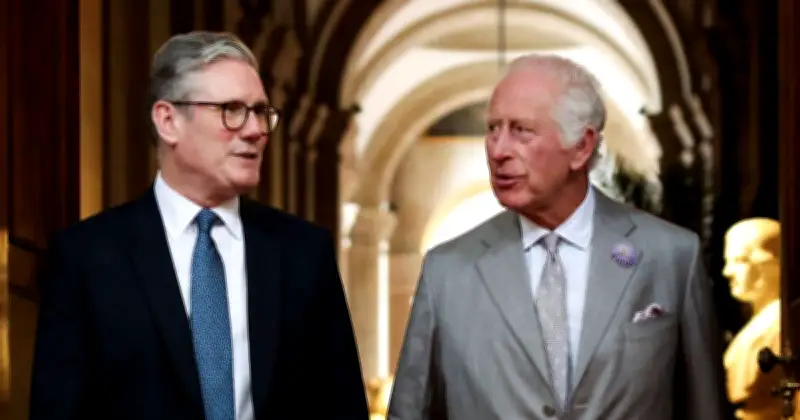
Sir Keir Starmer resigned as Labour Party leader and Prime Minister this morning, phoning King Charles at Highgrove House to inform him of his decision. Standing outside Downing Street, Starmer acknowledged he had lost the support of his MPs and accepted it "with good grace." He pledged to give his successor "my full and unequivocal support, knowing that they will inherit a Britain that is far stronger and fairer than the one I inherited two years ago."
Starmer's Resignation and Succession
Starmer's emotional statement came after Andy Burnham won the Makerfield by-election last week, with the former Greater Manchester mayor emerging as the frontrunner to replace him. A new Prime Minister is expected to be in place by September. Starmer will remain in post until a successor is chosen by the Labour Party, continuing his weekly audiences with the King.
Prime Ministers Under King Charles
When King Charles ascended the throne in September 2022, Liz Truss was the Conservative Prime Minister. However, after a reckless mini-budget unveiling £45bn of tax cuts, the markets plunged into chaos, reducing the value of the pound, and she was forced out by her own party after just 49 days in office. This led to Rishi Sunak being selected and sworn in as Prime Minister. When the nation went to the polls in July 2024, they chose Labour, marking the start of Starmer's tenure. Whoever replaces him will become the King's fourth prime minister in as many years.

Historical Context
Over Queen Elizabeth II's 70-year reign, she was served by 15 prime ministers, each serving an average of four years and seven months. In contrast, the UK has seen six prime ministers in the past 10 years and is about to welcome its seventh.