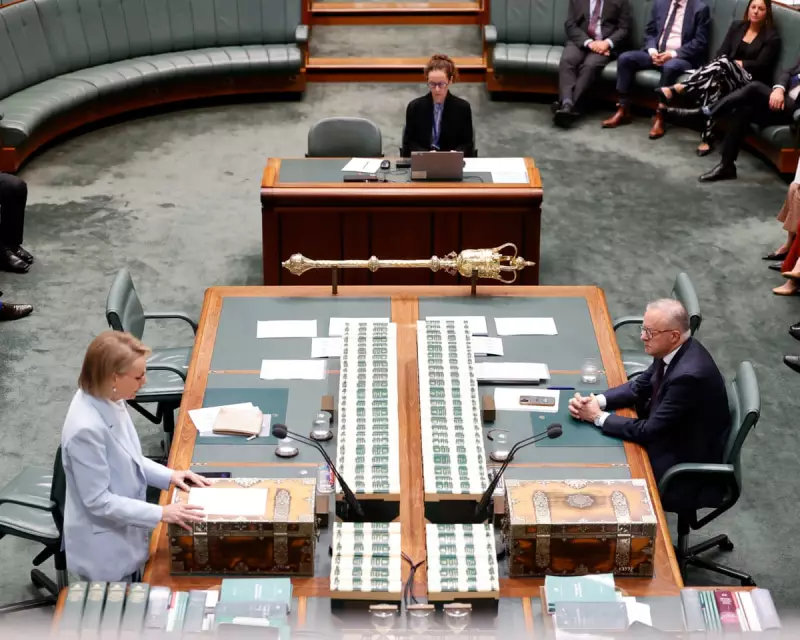
In a rare display of political unity, Prime Minister Anthony Albanese and Opposition Leader Sussan Ley are on the verge of securing a deal to pass new hate speech and gun control legislation. This push comes in direct response to the December terrorist attack at Bondi Beach, which targeted Jewish Australians.
Constructive Negotiations Yield Progress
The leaders held talks on Monday as parliament resumed for a special sitting to mark the 14 December atrocity. Sources from both the Labor Party and the Coalition described the negotiations as "constructive". This follows Mr Albanese's decision to split his original draft laws, shelving a contentious anti-racial vilification provision to focus on core security measures.
The opposition's shadow cabinet agreed on Sunday night to work with the government to pass the revised bill, subject to amendments. The remaining legislation proposes new powers to ban extremist hate groups, such as neo-Nazi organisations and Hizb ut-Tahrir. It would also allow authorities to revoke or refuse visas for individuals with extremist views seeking to enter Australia.

Gun Control Measures Advance Separately
Firearms reform has been carved into a separate bill, which is guaranteed to pass with the support of the Greens. This legislation will establish the largest gun buy-back scheme since the 1996 Port Arthur massacre. It will also mandate that intelligence agencies, including ASIO, conduct criminal background checks on all individuals applying for a firearms licence.
While the gun laws are set to proceed, the fate of the hate speech provisions hinged entirely on a bipartisan agreement. Mr Albanese issued an ultimatum, signalling the government would not revisit the laws if the Coalition refused to support them in Tuesday's sitting. "We’re not a government that puts things up over and over again to see them defeated," he told ABC Melbourne.
Pressure for a Unified National Response
The opposition faced internal pressure to stall the bill, but senior figures acknowledged the need for a unified stance. Shadow Home Affairs Minister Jonno Duniam criticised the government's initial handling as "shambolic" but expressed optimism for a deal. "This is a national response requiring unity," he stated.
Jewish community leaders had implored the Coalition to reach an agreement, adding significant weight to the negotiations. In a condolence motion, Prime Minister Albanese affirmed the nation's solidarity, declaring, "While the massacre at Bondi beach was cruel and senseless, it was not random. Jewish Australians were the target." He added that the responsibility to prevent such an event from happening again "starts with me".
The final joint Coalition party room meeting to formalise their position was pending as of Monday afternoon, indicating last-minute discussions were ongoing to secure the historic deal.