

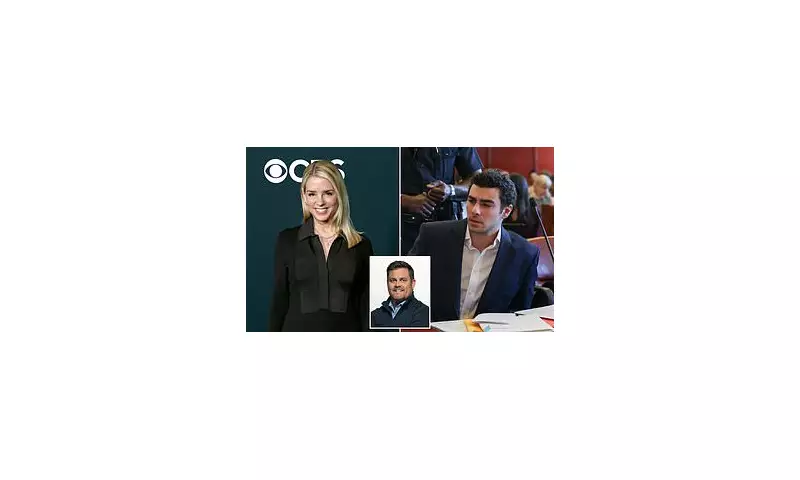
Defence attorneys for a man accused of assassinating a top US health insurance executive have launched a dramatic legal bid to have the death penalty thrown out of his federal case. They allege the Attorney General who authorised the capital prosecution has a profound conflict of interest due to her prior lobbying work for the victim's parent company.
Alleged Conflict of Interest at the Heart of the Case
In a court filing submitted on Friday, lawyers for Luigi Mangione, 27, argued that Attorney General Pam Bondi was biased when she directed prosecutors to seek the death penalty against their client. Mangione faces state and federal murder charges for the killing of UnitedHealthcare CEO Brian Thompson, 50, on December 4, 2024.
The defence's central claim is that Bondi should have recused herself because of a "profound conflict of interest." Before leading the Justice Department, Bondi was a partner at Ballard Partners, a lobbying firm that represented UnitedHealth Group, the parent company of UnitedHealthcare. The filing states she broke an ethical vow to withdraw from matters related to Ballard clients for one year after leaving the firm.

"The very person empowered to seek Mr. Mangione's death has a financial stake in the case she is prosecuting," his attorneys alleged. They argue she continues to profit from her work for Ballard through a profit-sharing arrangement and a defined contribution plan.
Defence Seeks Dismissal of Charges and Evidence
As a result of the alleged misconduct, Mangione's legal team is asking the judge to take several drastic steps. They want prosecutors barred from seeking the death penalty, two federal charges dropped, and certain evidence dismissed. They also plan to demand extensive materials to investigate Bondi's ties to Ballard, including details of her compensation.
The defence contends that Bondi's involvement began prematurely. In April, she announced she was directing prosecutors to seek capital punishment, declaring even before Mangione was formally charged that a "premeditated, cold-blooded assassination" warranted execution. His lawyers say this public statement, followed by Instagram posts and a TV appearance, showed the decision was "based on politics, not merit" and tainted the grand jury process.
"Her conflict of interest should have caused her to recuse herself from making any decisions on this case," the filing added, suggesting a special prosecutor should have been appointed.
Background of the High-Profile Crime and Arrest
Brian Thompson was shot at point-blank range from behind by a masked gunman, as seen on surveillance footage, while walking to a Manhattan hotel for UnitedHealth Group's annual investor conference. Police reported that the words "delay," "deny," and "depose"—a phrase criticising insurance claim practices—were written on the ammunition used.
Mangione was arrested five days later, on December 9, 2024, at a McDonald's in Altoona, Pennsylvania, after suspicious customers recognised him. The arrest made him an unlikely celebrity to some, with supporters claiming he had taken a "bite out of corruption."
He has pleaded not guilty to all charges. The state charges could bring life imprisonment, while federal prosecutors are pursuing the death penalty. No trial dates have been set. Mangione is next due in federal court on January 9 for a hearing.
The filing shifts focus to the federal case after a marathon pretrial hearing in his state case, where the defence is trying to suppress evidence from his arrest, including a gun and a notebook where he allegedly wrote about his intent to "whack" a health executive. A ruling on that evidence is not expected until May.
In response to earlier defence motions, federal prosecutors argued last month that "pretrial publicity, even when intense, is not itself a constitutional defect." They suggested thorough jury vetting could protect Mangione's rights, calling the defence's claims a "repackaging of arguments" that don't warrant dismissing the indictment or precluding the death penalty.






