
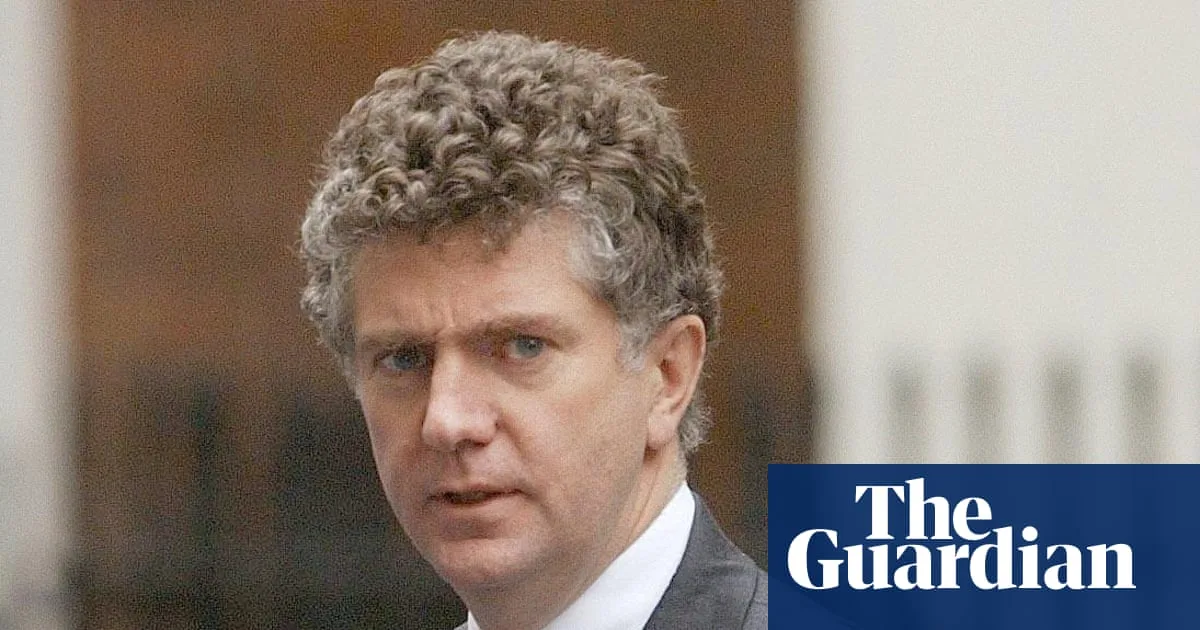
Jonathan Powell, the UK's national security adviser, is set to face questions from parliamentarians over his role in the collapse of a major Chinese espionage trial against two Britons. The hearing, scheduled for the coming weeks, will be Powell's first appearance before the joint committee on the national security strategy.
The trial of Christopher Cash, a former parliamentary aide, and Christopher Berry was abruptly dropped by the Crown Prosecution Service on 15 September, just days before it was due to begin. Both men denied charges of spying for China. Prosecutors stated the evidential standard was 'no longer met'.
Questions have arisen after reports that senior Whitehall officials, including Powell and Foreign Office top civil servant Oliver Robbins, met to discuss the trial shortly before the charges were withdrawn. Powell reportedly told the meeting that the government's evidence relied on the national security strategy, which describes China as a 'geo-strategic challenge' rather than an 'enemy', making it unusable in court under the Official Secrets Act.
Downing Street has denied any government interference, calling suggestions of withheld evidence or restricted witnesses 'untrue'. Home Secretary Shabana Mahmood expressed disappointment at the case's collapse, while Commons Speaker Lindsay Hoyle is considering a private prosecution, citing vulnerability for MPs.
The committee, chaired by Labour MP Matt Western, had faced a year-long standoff with ministers who refused to make Powell available for scrutiny, arguing his role as a special adviser exempted him. Western accused ministers of 'eroding democratic norms'. Powell, a key figure in shaping foreign policy under Prime Minister Keir Starmer, previously negotiated the Chagos Islands sovereignty dispute and served as Tony Blair's chief of staff.




