
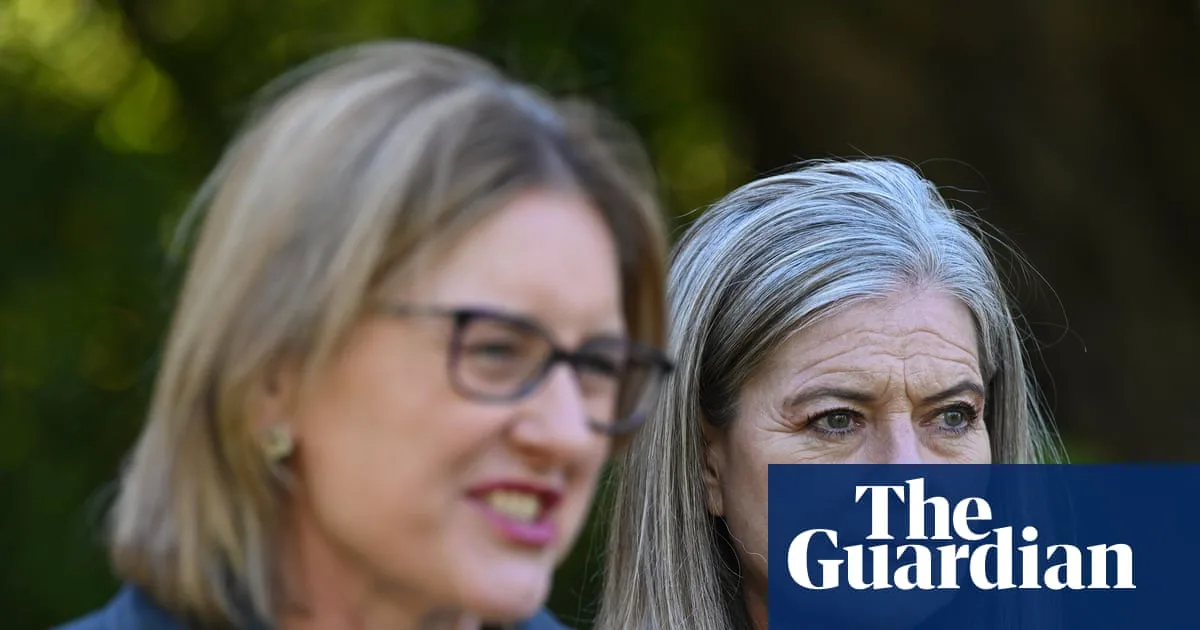
The Victorian government has announced it will introduce a standalone coercive control offence in 2026, marking a significant policy reversal after the opposition leader, Jess Wilson, made the reform her first election commitment. The move comes despite Labor previously insisting that existing laws already covered coercive behaviour.
Attorney-General Sonya Kilkenny acknowledged on Wednesday that 'more must be done', even as Labor voted against a Liberal bill in the lower house that aimed to establish the offence. The government's new commitment aligns with opposition policy, which Wilson pledged to enact within her first 100 days if the Coalition wins the November 2026 election.
Kilkenny stated that the government would legislate next year to make coercive control a standalone criminal offence, but emphasised that the work should not be rushed and must avoid unintended consequences. 'Our laws recognise this behaviour as a criminal offence already, and protects victims against this – however more must be done,' she said.
The Liberal bill, which largely mirrors New South Wales laws passed in 2022, would make coercive control punishable by up to seven years in prison. In Queensland, similar laws carry a maximum penalty of 14 years. Coercive control encompasses behaviours such as isolation, monitoring, gaslighting, and financial control, and is predominantly perpetrated by men against women.
During debate, Minister for Women Natalie Hutchins described the Liberal plan as 'undercooked' and 'unfit for purpose', while Liberal spokesperson Cindy McLeish argued Victoria was 'lagging behind' on the reform. The government also has a separate bill before the upper house that introduces a two-year minimum term for family violence intervention orders and broadens the definition of family violence.




