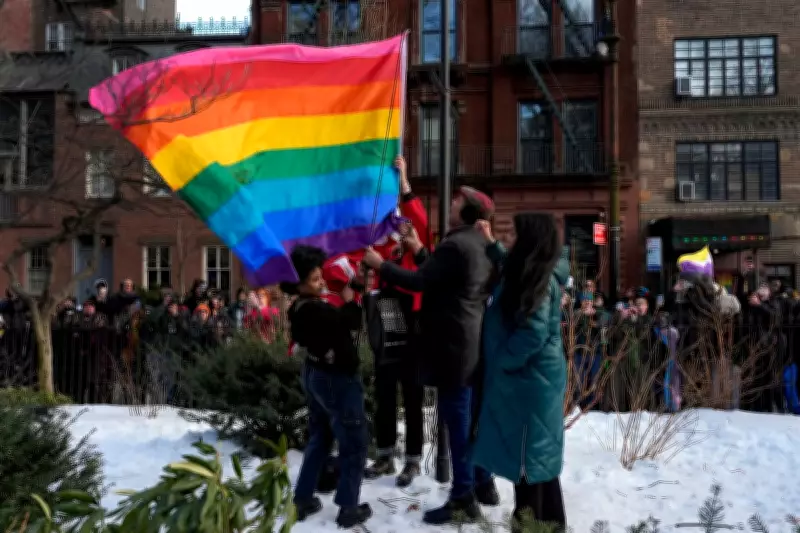
The Trump administration has officially agreed to maintain the flying of a rainbow Pride flag at the Stonewall National Monument in New York, marking a significant reversal of its earlier decision to remove the banner in February. This development comes as part of a settlement to resolve a lawsuit initiated by LGBTQ+ advocacy groups and historic preservation organisations, who had legally challenged the removal of the flag from this iconic site.
Legal Settlement and Flag Arrangement
According to court documents filed on Monday, the Interior Department and the National Park Service have explicitly confirmed their intention to keep a Pride flag displayed at Stonewall. The agreement stipulates that the flag will not be taken down except for essential maintenance or other practical operational reasons. This legal resolution aims to bring closure to the contentious dispute that has highlighted broader debates over the preservation of LGBTQ+ heritage under the current administration.
Implementation Details
Under the terms of the settlement, the National Park Service is required to install three flags on the monument's flagpole within one week. Each flag will measure three feet by five feet, with the rainbow Pride flag positioned centrally between the United States flag and the Park Service flag. This arrangement ensures that the Pride banner remains a prominent and permanent feature at the site, symbolising ongoing recognition of LGBTQ+ contributions to American history.

Historical and Political Context
The Stonewall National Monument holds a unique place in American history as the first national monument dedicated to commemorating LGBTQ+ history. The Pride flag's presence there had become a focal point for heated arguments regarding President Donald Trump's approach to this and other historical properties. Critics had accused the administration of undermining LGBTQ+ rights by initially removing the flag, while supporters argued for stricter adherence to traditional flag protocols.
The lawsuit, which prompted this settlement, was filed by groups advocating for both LGBTQ+ rights and historic preservation. They sought to legally block the flag's removal, arguing that it was essential for honouring the site's legacy and promoting inclusivity. A judge must still give final approval to the agreement, but the administration's concession signals a willingness to avoid prolonged legal battles and address community concerns.
Broader Implications
This decision may have wider implications for how the federal government manages symbols of diversity at national monuments. By agreeing to keep the Pride flag, the Trump administration is acknowledging the importance of representing LGBTQ+ history in public spaces, even amid ongoing political tensions. The settlement also sets a precedent for future disputes over the display of similar symbols at other historic sites across the country.
Observers note that this reversal could be seen as a strategic move to mitigate criticism and foster a more inclusive image, particularly as debates over social issues continue to shape the political landscape. Regardless of the motivations, the outcome ensures that the Stonewall monument will continue to fly the Pride flag, serving as a beacon of progress and remembrance for the LGBTQ+ community and its allies.