Southern Poverty Law Center Faces DOJ Probe Over Past Use of Paid Informants
SPLC Under DOJ Criminal Investigation for Paid Informants

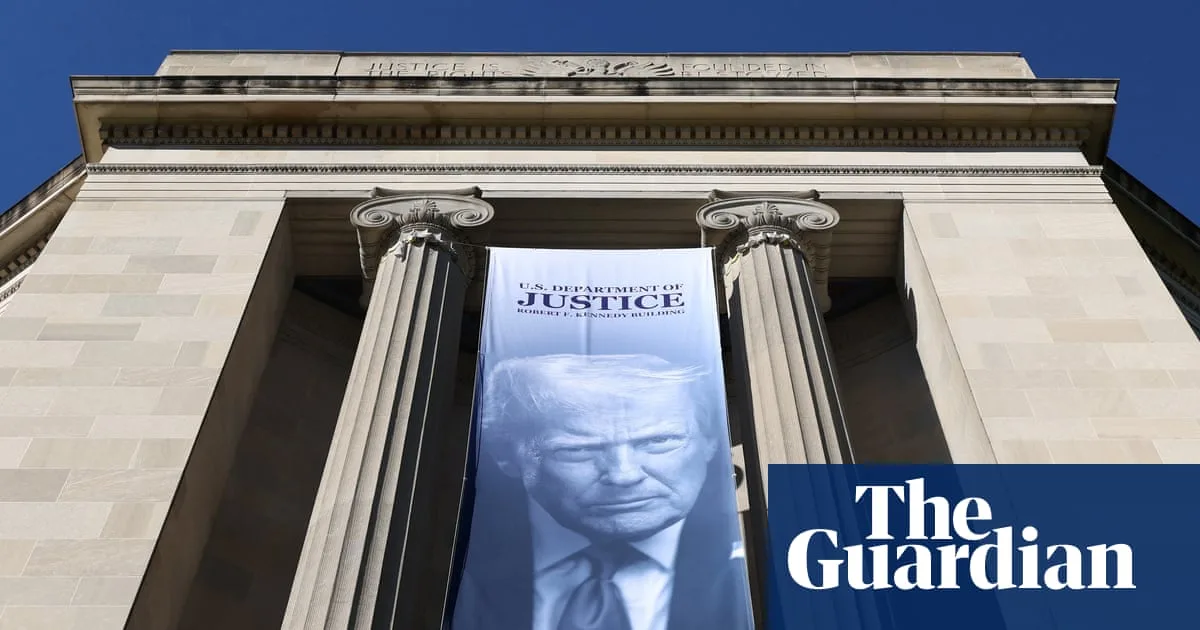
The Southern Poverty Law Center, a prominent civil rights organisation, finds itself under intense scrutiny following its announcement on Tuesday that it is the subject of a U.S. Justice Department criminal investigation. The probe centres on the centre's past utilisation of paid informants to infiltrate extremist groups, a practice that has now drawn potential legal charges.

Infiltrating Extremist Groups: A Controversial Practice

CEO Bryan Fair confirmed that the centre previously employed informants to penetrate extremist organisations, gathering intelligence that was frequently shared with the FBI and other law enforcement agencies. Fair emphasised that this information played a crucial role in saving lives, as the organisation has faced credible threats of violence over the years. The programme was deliberately kept confidential to safeguard the informants' security. The Justice Department has declined to provide immediate comment on the ongoing investigation.

A Legacy Born from Civil Rights Struggles

Founded 55 years ago by Alabama lawyer Morris Dees in 1971, the Southern Poverty Law Center began as a legal practice dedicated to representing poor and disenfranchised individuals during a turbulent period. With federal laws and Supreme Court rulings aimed at dismantling Jim Crow-era segregation still relatively new, widespread resistance persisted across the South. Dees, alongside attorney Joe Levin, took on pioneering cases pro bono, leading to significant reforms such as the desegregation of recreational facilities and the integration of the Alabama state trooper force.

Wide Pickt banner — collaborative shopping lists app for Telegram, phone mockup with grocery list

Expansion into Monitoring Hate Groups

By the 1980s, the centre shifted focus to monitoring white supremacist organisations, initially through "Klanwatch," which targeted the Ku Klux Klan, later rebranded as the "Intelligence Project" to encompass a broader range of extremist groups. This vigilant tracking often provoked backlash; notably, on July 28, 1983, members of the KKK attempted to burn down the centre's Montgomery offices in retaliation for lawsuits. The fire caused extensive damage to the building, equipment, and legal files, leading to the arrest and imprisonment of three Klan members over a year later.

Financial Strength and Growing Criticism

The nonprofit organisation relies heavily on donor contributions, amassing a substantial endowment of nearly $732 million as of last October. However, its "Intelligence Project" has faced mounting criticism, particularly from conservatives who argue that some groups are unfairly labelled due to their viewpoints. For instance, the conservative religious organisation Focus on the Family was included partly because of its anti-LGBTQ+ rhetoric.

FBI Severs Ties Amid Escalating Tensions

Criticism intensified following the September 2025 assassination of conservative activist Charlie Kirk in Utah, which renewed scrutiny of the centre's inclusion of Kirk's group, Turning Point USA, in its "The Year in Hate and Extremism 2024" report. A month after Kirk's death, FBI Director Kash Patel announced the bureau would cut ties with the centre, condemning it as a "partisan smear machine" and criticising its use of a "hate map." This decision marked a significant departure from longstanding FBI partnerships with civil rights groups, highlighting the deepening polarisation surrounding the centre's activities.

Pickt after-article banner — collaborative shopping lists app with family illustration




