

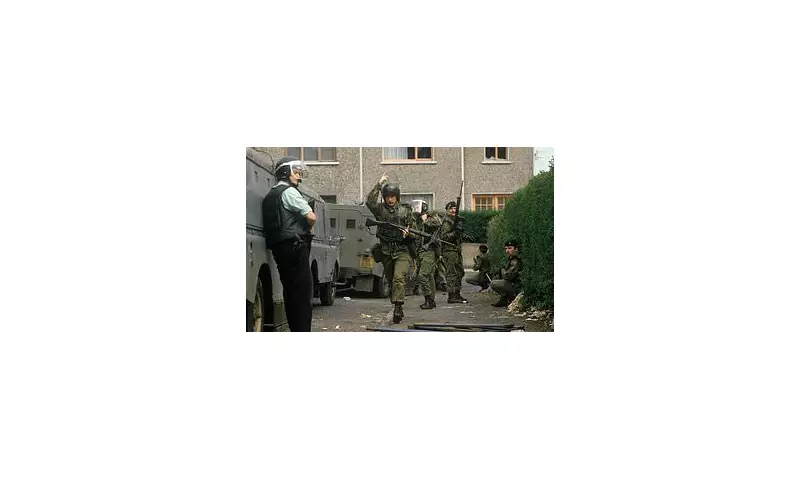
Reform UK has unveiled a comprehensive policy platform aimed at definitively ending the prosecution of British military veterans who served during the Northern Ireland Troubles. The party's proposals are framed as a direct effort to "match what was given to the IRA under Tony Blair", referencing the early release, pardons, and comfort letters granted to republican paramilitaries as part of the peace process.
A Pledge to End 'Vexatious' Legal Pursuits
The party has declared its intention to halt what it describes as the scandal of elderly former soldiers being "dragged in front of the courts for repeated and vexatious prosecutions", while alleging that terrorists have largely walked free. This policy announcement follows recent parliamentary controversy, where Labour and Liberal Democrat MPs were accused of a "sickening betrayal" after voting to remove conditional immunity provisions that had been granted to veterans under the Legacy Act.
Farage's Speech and Proposed Legal Mechanisms
Reform leader Nigel Farage detailed the plans during a speech to hundreds of former servicemen and women in London, where he also launched a dedicated veterans wing for the party. The central legislative proposals include:

- Utilising the royal prerogative of mercy to pardon soldiers already convicted of offences related to historic conduct during the Troubles.
- Implementing a statutory bar to immediately end all current legal proceedings against veterans and to prohibit any future prosecutions, civil actions, or inquests concerning their historic actions.
- Introducing a requirement for the Defence Secretary to provide personal consent before any future prosecution of a soldier for conduct on operations can proceed, with such cases to be heard in military courts martial rather than civilian courts.
The party stated this package would "draw a line under a situation where terrorists have faced no consequences for their heinous actions, whilst veterans have been unfairly hounded."
Referencing IRA Precedents and 'Lawfare' Cases
Reform UK explicitly contrasted the treatment of veterans with that of IRA members, noting that under the Blair government, republicans were "released from prison, pardoned or given comfort letters, and even allowed to engage in frontline politics." The party highlighted two prominent cases it characterises as mistreatment through so-called 'lawfare':
- The case of Soldier F, a former paratrooper accused of murder during Bloody Sunday in 1972, who was acquitted but only after facing trial in his seventies.
- The prosecution of Dennis Hutchings of the Life Guards, over a 1974 killing. His case was reopened four times, and he was arrested by armed police in an early morning raid. Hutchings died from Covid-19 in 2021 while his trial was ongoing, a situation Reform describes as being "hounded to his grave."
Broader Constitutional and Legal Reforms
Aligning with its wider policy agenda, Reform UK stated it would seek to insulate military operations from certain human rights frameworks. This includes plans to:
- Leave the European Court of Human Rights.
- Repeal the Human Rights Act.
- Ensure a future British Bill of Rights does not apply extraterritorially, thereby preventing human rights law from applying to overseas combat situations.
Political Reaction and Counter-Arguments
The proposals have ignited immediate political debate. Armed Forces Minister Al Carns dismissed Reform's plans, stating the party had "no serious plan for protecting our veterans." He argued that the Labour Party's alternative approach would establish a system to help families, including those of murdered service personnel, find answers while creating "genuine protections for Northern Ireland veterans."
The issue remains highly charged, with campaigns like the Daily Mail's "Stop The SAS Betrayal" keeping the treatment of veterans in the public eye. Reform UK's policy sets a clear, controversial marker in the ongoing discussion about legacy, justice, and reconciliation in Northern Ireland.






