

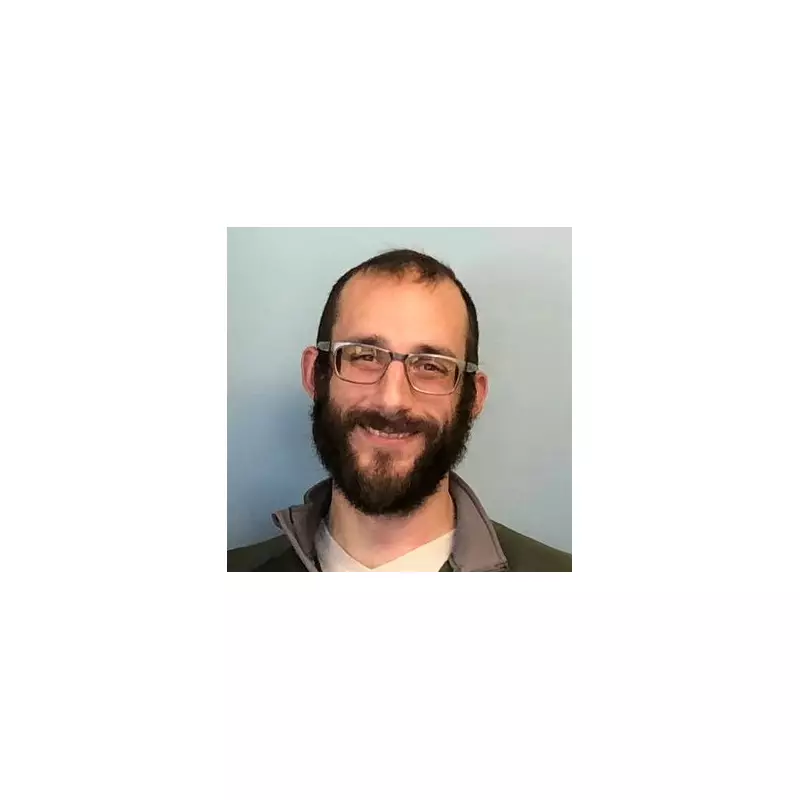
The killing of intensive care nurse Alex Pretti by Immigration and Customs Enforcement agents represents a disturbing milestone in America's slide toward authoritarian governance, according to exclusive analysis. The 37-year-old medical professional was shot dead during a chaotic Minneapolis street operation, with subsequent political responses revealing a systematic pattern of victim-blaming and truth suppression.
A Healthcare Hero Transformed into Political Pawn
Alex Pretti dedicated his professional life to saving others as an ICU nurse, making critical life-and-death decisions daily in high-pressure medical environments. Witnesses confirm he intervened calmly and lawfully when he observed ICE agents allegedly assaulting a woman during their enforcement operation. Rather than receiving recognition for his protective actions, Pretti was swarmed, pepper-sprayed, restrained, disarmed, and ultimately killed by federal agents.
Political Machinery Springs into Action
Within hours of the shooting, senior Trump administration figures launched what critics describe as a coordinated propaganda campaign. Homeland Security Secretary Kristi Noem claimed Pretti was "brandishing" a firearm, while local authorities contradicted this narrative, confirming the weapon was legally registered and had been removed from Pretti's possession before the fatal shots were fired.

Vice President JD Vance and former Trump adviser Stephen Miller joined Noem in characterising the deceased nurse as a "domestic terrorist" and "wannabe assassin," employing language that human rights observers identify as classic authoritarian tactics: smearing victims, inventing threats, and justifying state violence through manufactured narratives.
ICE's Militarised Presence on American Streets
The incident exposes fundamental flaws in deploying federal immigration enforcement agents as urban police forces. ICE personnel receive training focused on raids, intimidation, and domination rather than community policing, de-escalation techniques, or civilian engagement protocols. Dropping these specially trained agents into city environments with minimal oversight creates what experts describe as a "deadly mismatch" between their capabilities and community needs.
"These agents patrol American streets like stormtroopers, masked and militarised, answerable primarily to Washington rather than local communities," noted one policing analyst. "The comparison has become uncomfortably accurate as they operate with increasing impunity, backed by political figures willing to distort facts to protect them."
Evidence Contradicts Official Narratives
Multiple eyewitness accounts and subsequent investigations have systematically dismantled the initial official explanations for Pretti's death. Key facts emerging include:
- The firearm involved was legally owned and properly registered
- Weapons had been removed from Pretti's possession before shooting
- He was physically restrained and posed no immediate threat
- No evidence suggests he was firing or attacking agents
- ICE agents failed to call for local law enforcement support trained in crowd management
This discrepancy between evidence and official statements points toward what critics describe as "lethal incompetence at minimum, and something far more sinister at maximum."
International Reputation in Freefall
Beyond domestic implications, Pretti's death accelerates the erosion of America's global standing. Where the United States was once viewed internationally as an imperfect but fundamentally democratic nation striving toward improvement, it now increasingly appears as a militarised state where dissent faces violent suppression.
Tourism industry analysts report growing hesitation among potential visitors, while diplomatic observers note allies expressing discomfort with America's domestic security practices. The international image broadcast globally shows a government that excuses extrajudicial killings, systematically smears victims, and treats basic human compassion as potential subversion.

Pattern Rather than Anomaly
Pretti's killing fits an established pattern of ICE operations in civilian environments. The agency has repeatedly demonstrated difficulty operating safely outside its traditional enforcement contexts, frequently escalating situations, provoking confrontations, and employing disproportionate force. Political protection then typically shields agents from meaningful accountability, creating what civil liberties advocates term a "cycle of violence without consequence."
Nationwide protests following the incident reflect growing public recognition that fundamental democratic safeguards are deteriorating. When healthcare professionals can be killed for performing morally commendable acts, and senior officials respond not with mourning but malicious character assassination, public trust in institutions collapses precipitously.
Fundamental Questions About Federal Power
The Pretti case raises urgent questions about appropriate limits on federal enforcement agencies. If ICE cannot operate within American communities without regularly killing civilians, serious consideration must be given to whether they should operate on city streets at all. Similarly, if political leaders consider defaming deceased citizens an acceptable response to state violence, their fitness for office requires re-examination.
Alex Pretti should have returned home after his shift, continuing his life-saving work in hospital intensive care units. Instead, he has become a symbol of a nation brutalising not only its own citizens but also frightening international observers watching from beyond American borders. The fundamental democratic premise that America should exemplify better governance remains, but current trajectories suggest alarming divergence from this ideal.





