Canadian Veteran Takes Provincial Woods Ban to Supreme Court in Constitutional Challenge
A Canadian army veteran who deliberately violated a sweeping provincial ban on entering wooded areas last summer is now having his constitutional challenge heard by Nova Scotia's supreme court this week. Jeffrey Evely, who lives in Sydney, Nova Scotia, argues that the restriction—implemented to prevent wildfires during an extremely dry period—was an unconstitutional overreach that violated his fundamental rights.
The Controversial Ban and Its Sweeping Restrictions
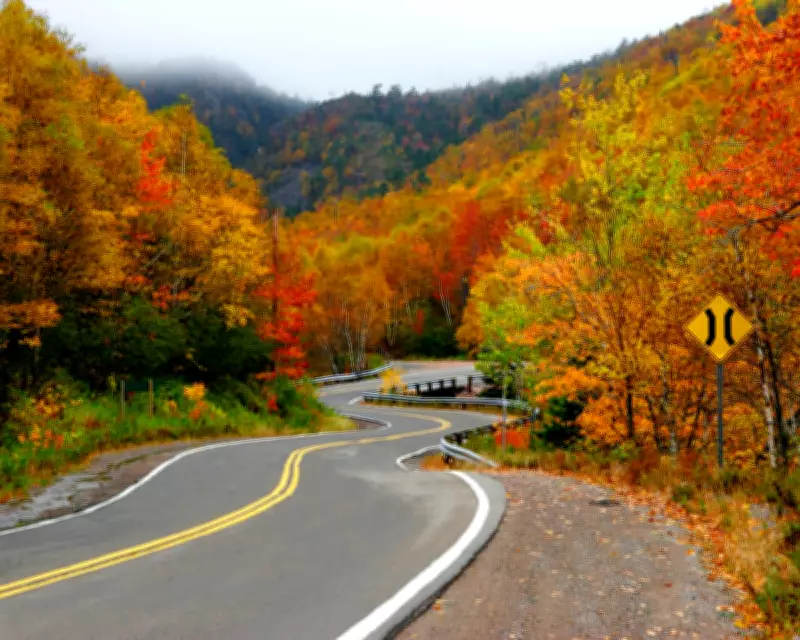
The provincial prohibition, which was in effect from early August to mid-September last year, included comprehensive restrictions on hiking, camping, fishing, and using trail systems across most of Nova Scotia. Announcing the measure, Premier Tim Houston acknowledged it was "inconvenient" but stressed it was essential to keep wildfires at bay and avoid repeating the disastrous 2023 wildfire season that saw significant destruction.
Officials stated that fines for violating the ban would match those for violating fire bans, set at C$25,000 (approximately £13,700). However, when Evely received his penalty for entering the woods, it totaled a staggering C$28,872.50 after taxes and additional fees were included.

Evely's Personal Circumstances and Legal Argument
Court documents reveal that Evely, who suffers from post-traumatic stress disorder developed during his military service, relied on daily hikes in the woods to manage his symptoms. His legal team, represented by the nonprofit Justice Centre for Constitutional Freedoms, contends that the ban violated Section 7 of the Canadian Charter of Rights and Freedoms, which guarantees life, liberty, and security of the person.
In their applicant brief, they characterize the prohibition as vague, overbroad, and an excessive use of government power. "There are serious legal and constitutional issues with the decision of Nova Scotia to completely ban its citizens from being in more than 75% of the province, ostensibly to protect the woods," said lawyer Marty Moore in a media release.
Government's Defense and Legal Proceedings
The crown's brief, as reported by the Chronicle Herald newspaper in Halifax, argues that the government had to "act fast" due to heightened wildfire risks and no rain in the forecast. They maintain that "the proclamation was a reasonable and rational response to a crisis" and that the ban was justified under Section 1 of the charter, which allows for reasonable limits on rights in the collective interest.
The case began at the supreme court in Halifax on Tuesday and is expected to continue for several days. Legal experts are closely watching the proceedings, with University of Ottawa law professor Paul Daly suggesting the government likely has the upper hand in proving the ban's reasonableness given the significant wildfire threat.
Broader Implications and Expert Analysis
Professor Daly noted that Evely might have grounds to argue the woods shutdown was an overstep, particularly if he presents strong evidence regarding his PTSD diagnosis. "The question, then, is whether there's a fair balance between the public interest in preventing wildfires and the effect on the challenger," Daly observed. "If I were a betting man, I would say the government will win this."
Evely documented his deliberate violation of the ban in a YouTube video where he displayed the substantial fine he received and informed officials in advance of his intention to mount a court challenge. The case highlights ongoing tensions between individual rights and public safety measures during environmental emergencies, with potential implications for how governments balance these competing interests in future crisis situations.