The UK's sweeping new National Security Act risks causing "real harm" through police overreach, potentially ensnaring journalists, think tanks, and protesters in unjustified investigations, according to a landmark independent review.
Broad Powers Risk Damaging Mistakes
In a report laid before Parliament, Jonathan Hall KC, the independent reviewer of state threats legislation, issued a stark warning about the 2023 National Security Act. He stated that the law's espionage offences are defined so broadly they "will result in cases of real harm" where individuals are wrongly arrested or investigated.
"It is unavoidable that national security legislation hoists a flag for police involvement in broad reaches of human endeavour," Hall wrote. He emphasised the risk of "damaging mistakes by investigators and unjustified suspicion being cast on lawful activity," including politics, journalism, and protest.

Journalism and Think Tanks in the Crosshairs
Hall highlighted the new offence of foreign interference as a particular concern. He explained that this broadly drawn offence could criminalise activities like lobbying, electioneering, journalism, marketing campaigns, and even humanitarian aid if done with "the intention of benefiting a foreign power" and involving some misrepresentation.
This could theoretically affect:
- Think tanks and journalists engaged in foreign policy work.
- Individuals arguing in media for policies like sending arms to Ukraine or Israel, or increasing foreign aid.
- Foreign-funded NGOs or journalists who use deception to expose corruption.
While Hall said he was "reasonably confident" prosecutors would avoid borderline cases, he warned that editors and trustees of newspapers and thinktanks could be "stalked by fear of national security offending, and trim their conduct accordingly."
Protest and Unwitting 'Help' for Hostile States
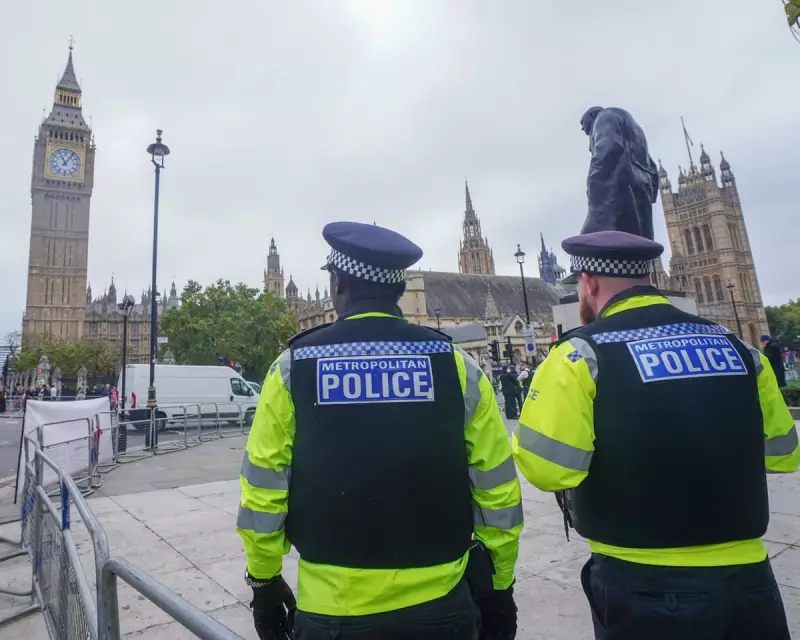
The review also raised alarms about new police powers that allow officers to require individuals to leave areas near prohibited places, such as military bases and intelligence facilities. Hall found "insufficient safeguards" to prevent unjustified incursions into public protest and recommended a new code of practice for police.
Furthermore, Hall focused on a concerning aspect of the law's "foreign power condition." It allows an offence to be committed even if the accused has had no contact with a foreign state, targeting those who seek to help a hostile power without its knowledge. This could drag in journalists, politicians, or private individuals passionately advocating for causes like arming Ukraine or returning the Elgin Marbles, if such advocacy is deemed to advance another state's interests.
The National Security Act was introduced to update Britain's archaic Official Secrets Acts, the first from 1911. The reform was prompted by difficulties in prosecuting modern spy cases, like that of Christopher Cash and Christopher Berry, accused of spying for China. Counter-terrorism police are currently using the Act in an investigation after Sheffield Hallam University halted research by Prof Laura Murphy on human rights in China following demands from Beijing.
Hall's central conclusion is that while the old laws were too narrow, the new Act risks swinging too far in the opposite direction. He insists the legislation must be closely monitored for "misuse and overreach" to protect fundamental freedoms in the UK.