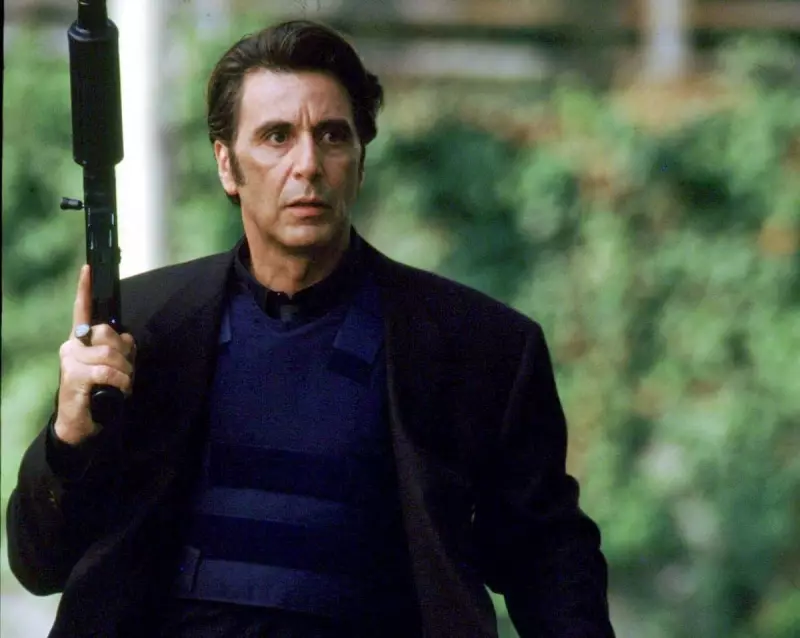
Three decades have passed since Michael Mann's seminal crime epic Heat first scorched its way onto cinema screens, yet its power remains undiminished. Released on this day 30 years ago, the film brought together acting titans Al Pacino and Robert De Niro for their first on-screen sharing of a scene, a moment of cinematic history that the film's masterful narrative patiently built towards for over 90 minutes.
The Duel That Defined a Genre
The much-hyped face-off between Pacino's obsessive LAPD detective Vincent Hanna and De Niro's meticulous career criminal Neil McCauley famously subverted expectations. Instead of a violent confrontation, their first meeting unfolds over a civil, almost warm, cup of coffee. This iconic scene, inspired by a real 1964 conversation between Detective Chuck Adamson and the thief he pursued, reveals the film's true core. It's not merely about the chase, but about the profound melancholy and alienation forged by lives dedicated to opposing sides of the law.
While the film is rightly celebrated for its visceral, technically unparalleled action set pieces—most notably the earth-shattering downtown Los Angeles bank robbery and shootout—its genius lies in its emotional depth. Mann uses the cops-and-robbers framework to weave a sprawling tapestry of lost souls adrift in the City of Angels. The film searches for, and finds, the cracks in its characters' steely professional facades, exposing a universal yearning for connection.

A Symphony of Contrasts and Labour
Heat operates on a series of compelling dualities. Pacino's blustery, volcanic energy contrasts perfectly with De Niro's ice-cool, calculated composure. This tension is echoed throughout: in the clash between the film's sleek, seductive visuals of industrial landscapes and the brutal violence that erupts within them; and in the conflict between the characters' airtight professional control and the messy personal lives that threaten to undermine it.
At its heart, Heat is a film about work. It opens with a commuter train ferrying people to their jobs and lingers in warehouses, scrap yards, and diners. Mann romanticises the professional code, even among thieves. Neil McCauley's crew are shown to be most at home not in their luxurious houses, but when donning coveralls to execute a meticulously planned score. The film's true villains are not simply criminals, but those who lack professional integrity, like Waingro, whose depravity compromises a job, or the duplicitous money launderer Van Zant.
Enduring Legacy and Unflinching Tragedy
The tragedy of Heat is ultimately one of sacrifice. McCauley's infamous personal doctrine—"allow nothing in your life that you cannot walk out on in 30 seconds flat"—is the price of his profession. This cost is felt most acutely by the women in the film, played by Diane Venora, Amy Brenneman, and Ashley Judd, who carry the emotional weight their men often cannot bear to express.
Mann also confronts the exploitation within this world of professional crime. The storyline involving Dennis Haysbert's parolee Breedan, trapped in a demeaning job, highlights how systemic desperation is preyed upon. His subsequent fate is handled with an unflinching, haunting ruthlessness that refuses to let the audience look away.
The film's influence is monumental. From Christopher Nolan's The Dark Knight to a host of subsequent crime series and films, Heat's gravitas and style continue to be a benchmark. It stands as the pinnacle of Mann's career-long exploration of the crime genre, a project he had been refining since Thief and the earlier TV version LA Takedown. While the cultural landscape has shifted, making some of its narrative choices subjects of modern scrutiny, the film's artistic power is unquestioned. Its legacy is so potent that Mann is now developing a highly anticipated sequel, Heat 2, proving that, even after 30 years, the embers of this masterpiece still glow fiercely.