

Minnesota Volunteer Sues DHS Over Revoked Travel Privileges Following Border Patrol Confrontation
A Minnesota woman has filed a lawsuit against the Department of Homeland Security, alleging that her trusted traveler program memberships were revoked as an act of retaliation just days after a tense encounter with a Border Patrol agent. Nicole Cleland, a 56-year-old Target director and volunteer observer of federal immigration enforcement activities, claims she lost access to both TSA PreCheck and Global Entry privileges under suspicious circumstances.
The January Encounter That Sparked Legal Action
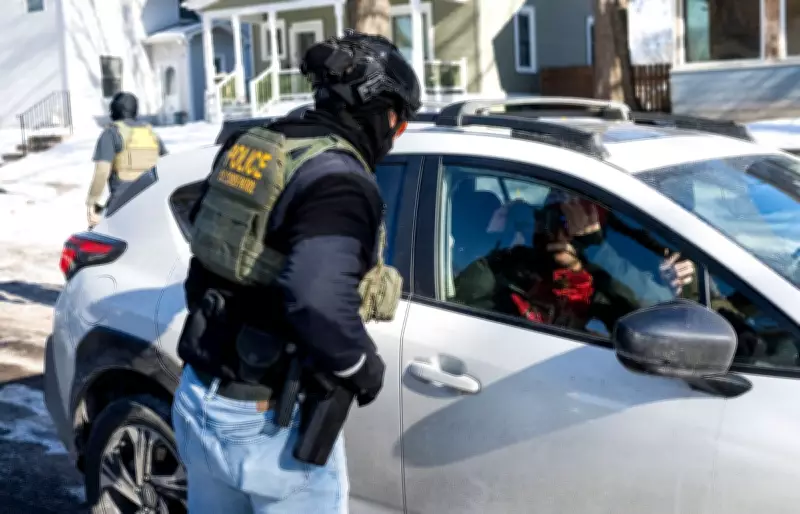
According to court documents, the incident occurred on January 10, merely three days after the fatal shooting of activist Renee Good in Minneapolis. Cleland states she was in her vehicle when she observed a white Dodge Ram being operated by federal officials. Concerned about potential immigration raids targeting a local apartment building, she and a fellow observer followed the government vehicle in their own car.
"An agent exited the vehicle and approached my vehicle," Cleland wrote in her declaration. "I remained in my vehicle. The agent addressed me by my name and informed me that they had 'facial recognition' and that his body cam was recording."

The camouflaged Border Patrol agent reportedly informed Cleland she was impeding official work and issued a verbal warning, threatening arrest if she continued such activities. Cleland accepted the warning and departed the scene, believing the matter concluded.
Unexpected Consequences and Legal Claims
Three days following the confrontation, Cleland received official notification that her TSA PreCheck and Global Entry memberships had been revoked. The notification cited potential violations of "customs, immigration, or agriculture regulations, procedures, or laws in any country" as justification for the action.
"I was not detained, I was not arrested, so difficult to understand how I was 'found in violation,'" Cleland stated in her legal declaration, expressing confusion about the basis for the revocation.
Given the temporal proximity between her encounter with Border Patrol and the loss of travel privileges, Cleland contends the action represents deliberate "intimidation and retaliation" for her monitoring activities. She further expressed concerns about potential future detentions or actions against her family members.
Broader Context and Official Responses
The incident occurs against the backdrop of increased federal immigration enforcement operations in Minnesota, part of what has been described as the Trump administration's crackdown on illegal immigration. According to reports, federal agents have been utilizing facial recognition technology through mobile applications like Mobile Fortify during such operations.
"Ms Cleland was one of at least seven American citizens told by ICE agents this month that they were being recorded with facial recognition technology in and around Minneapolis," noted The New York Times in its coverage of similar incidents.
When questioned about Cleland's specific case, a DHS spokesperson stated: "There has been no new directive from Customs and Border Protection on Global Entry revocations. Body worn cameras are utilized to document encounters and are not equipped with CBP's facial comparison technology."
Cleland maintains she acted within her rights as a trained legal observer and did nothing to warrant either the initial confrontation or the subsequent revocation of her travel privileges. The lawsuit seeks to address what she characterizes as improper government retaliation against lawful monitoring activities.






