

The Independent Joins Coalition Demanding Anti-SLAPP Legislation
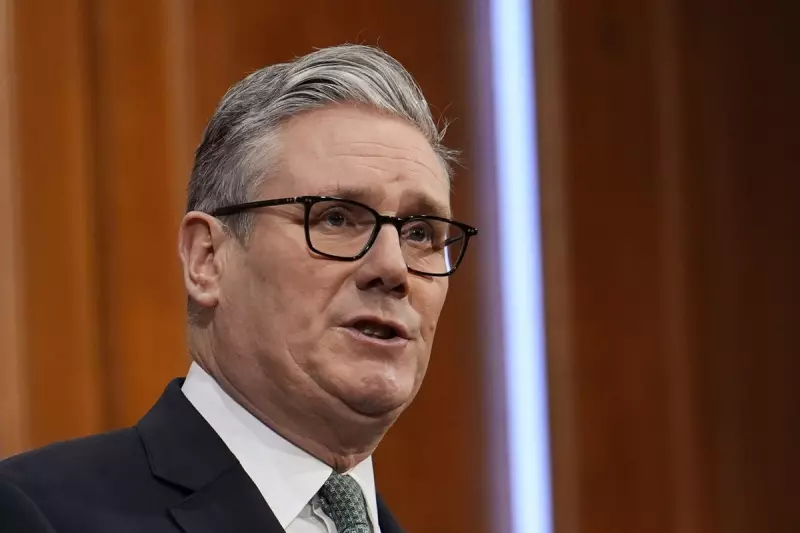
The Independent has aligned itself with more than 120 prominent figures from across British society in urging Prime Minister Sir Keir Starmer to incorporate protections against silencing lawsuits into the forthcoming King's Speech. This collective action represents a significant push for legal reform aimed at safeguarding free speech and journalistic integrity within the United Kingdom.
A Powerful Message Against Legal Abuse
A total of 127 signatories, including editors, legal experts, academics, journalists, publishers, and civil society representatives, have endorsed a letter demanding the inclusion of robust anti-SLAPP provisions in the legislative agenda expected this May. The letter asserts that this would "send a powerful message that British courts should not be abused to silence protected speech." Strategic Lawsuits Against Public Participation (SLAPPs) are defined by the UK Anti-SLAPP Coalition as abusive legal actions filed primarily to intimidate and silence critical voices.
Research indicates a troubling increase in such lawsuits, with the UK identified as the leading originator of these legal tactics globally. The letter's release coincides with the fifth anniversary of the UK Anti-SLAPP Coalition, highlighting the prolonged campaign against this form of legal harassment.

The Stakes for Democracy and Free Expression
The signatories' communication delivers a stark warning about the consequences of inaction. "Without concerted action, everyone who speaks out – whether to protest the actions of a powerful company, ask questions of someone of influence or speak out on issues important to themselves or their community, will remain vulnerable to costly, stressful and unpredictable legal action," the letter states.
It further argues, "It is our belief, informed by testimony from those who have been targeted for realising their rights protected by UK law, that democracy cannot be sustained without everyone being able to express themselves, challenge wrongdoing, or inform others." This underscores the fundamental connection between protected speech and the health of democratic institutions.
Broad-Based Support Across Sectors
The Independent and its editor-in-chief, Geordie Greig, have publicly backed this campaign. They are joined by leaders from other major media outlets such as The Guardian, The Times, and Reuters. The coalition also includes:
- Renowned legal experts and academics from institutions like the University of Oxford
- Prominent journalists and authors, including Catherine Belton and Alan Rusbridger
- Representatives from civil society organisations like PEN International and Greenpeace UK
This diverse alliance demonstrates a cross-sector consensus on the urgency of addressing SLAPPs.
Criticism of Current Measures and Call for Action
While the Prime Minister and members of his cabinet have publicly acknowledged the problem of SLAPPs, the UK Anti-SLAPP Coalition notes that no new legislation has been introduced under the current government to comprehensively tackle the issue. The coalition welcomed the inclusion of anti-SLAPP measures in the 2023 Economic Crime and Corporate Transparency Act as an initial recognition of the problem but criticises these provisions as being "limited in scope and flawed in approach."
The signatories are now calling for dedicated parliamentary time to develop and pass universally applicable, robust anti-SLAPP legislation. Their goal is clear: "to ensure our courts can no longer be abused by those seeking to avoid the sort of scrutiny that sustains democracy."
A Call for a Level Playing Field in British Justice
The co-chairs of the UK Anti-SLAPP Coalition emphasised the broader principle at stake. "A commitment to stamp out SLAPPs is a commitment to ensuring British justice remains a level playing field," they stated. "Only then can SLAPP targets – be they journalists, campaigners, local organisers, sexual violence survivors, victims' advocates or anyone speaking out in the public interest – mount a defence without being threatened into silence by the costs, trauma and disruption an abusive legal threat can cause."

They expressed hope that the substantial number of signatories, reflecting consensus across multiple sectors and political parties, would underscore the urgency of the issue for the government. The coalition urges the administration to prioritise measures that protect the right to challenge wrongdoing, scrutinise power, and express oneself freely. The Independent has contacted the government for a response to these demands.





