Sister of Dunblane Victim Issues Stark Warning on UK Firearms Legislation
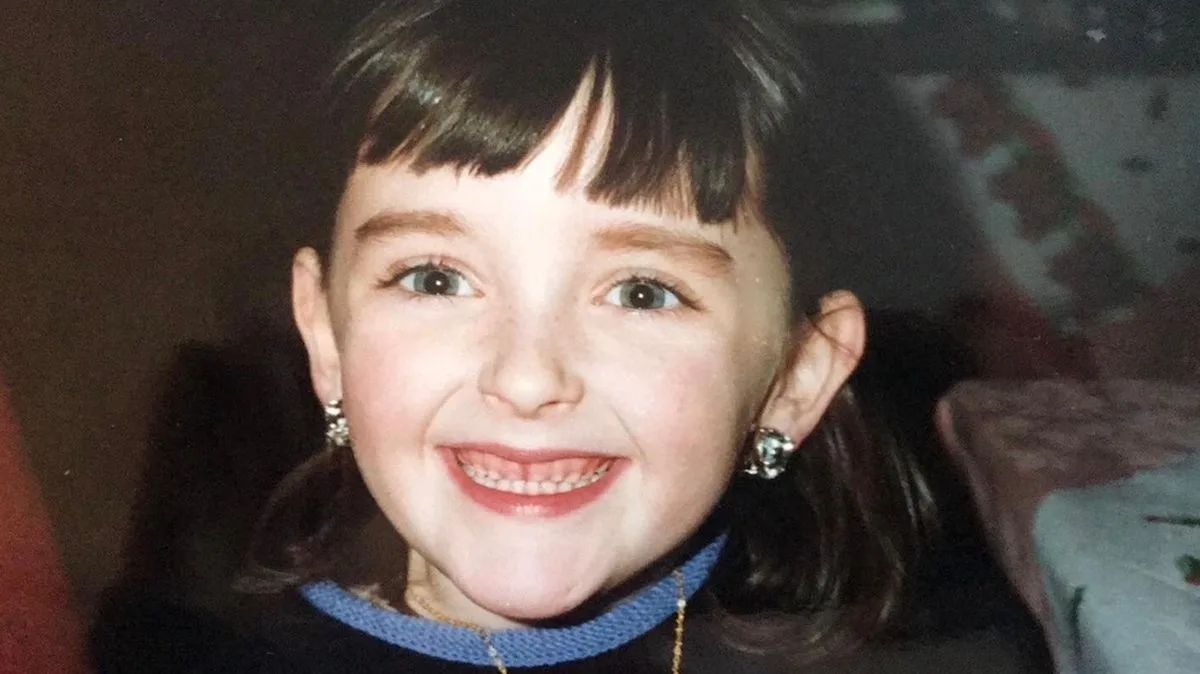
Ellie Crozier, whose five-year-old sister Emma was among the sixteen children murdered in the Dunblane Primary School shooting on March 13, 1996, has delivered a powerful warning that Britain's gun laws are "at risk" three decades after the tragedy. Ms Crozier, now 28, emphasized that "we cannot let people forget" the massacre that claimed her sibling's life alongside their teacher.
A Family's Enduring Grief and Activism
Reflecting on the profound impact of her sister's death, Ms Crozier told the Press Association that her parents channeled their trauma into campaigning for stricter firearms controls. "My parents went through one of the most traumatic events a parent can go through and used their grief to make our corner of the planet safer," she stated. She described Emma as "deeply loved" and acknowledged the permanent void in their family, noting "I should have a big sister, and that will always be felt."
Both Ellie and her brother Jack have continued this legacy of activism, engaging in campaigns to strengthen gun regulations. She praised the "beautiful and resilient community" of Dunblane, where the loss remains palpable but "the love is felt too." However, she expressed concern that many current residents are unaware of the shooting or were too young to remember it, underscoring the importance of ongoing dialogue about the event.
The Snowdrop Campaign and Legislative Legacy
In response to the massacre, the Snowdrop Petition campaign emerged, spearheaded by parents from the Dunblane area. It amassed over 700,000 signatures advocating for a ban on private handgun ownership. This public outrage led to significant legislative changes:
- In 1997, John Major's Conservative government introduced a ban on most handguns.
- Later that year, Tony Blair's Labour government expanded the prohibition to include all cartridge ammunition handguns.
Ms Crozier acknowledged these strict laws but warned they are vulnerable to evolving societal trends. "The world is bigger in so many ways and inevitably cultures shift too," she explained, pointing to concerning developments such as:
- American-style shooting ranges appearing in Scottish gun clubs.
- The normalization of firearms in video games.
- The emergence of 3D-printed guns.
"Our laws are strict, but they are not perfect, and they are also at risk," she asserted. "Whenever we allow easier access to guns, we create loopholes that allow these dangerous weapons to fall into the wrong hands." She firmly rejected any notion of relaxing regulations, stating "This cannot happen, under any circumstances. The cost is too high."
Transatlantic Advocacy and Hope for Change
Ms Crozier and her brother have extended their efforts internationally, campaigning for tighter gun controls in the United States. Despite the influence of a "strong, collected and powerful gun lobby," she remains optimistic, citing widespread public desire for child safety and the dedication of American activists and lawmakers.
She highlighted the Snowdrop Campaign as a model of grassroots impact, founded by three "ordinary" women without political or media backgrounds. "The Snowdrop Campaign is the perfect example of how ordinary people can affect incredible change," she remarked, encouraging broader civic engagement on the issue.
Government Response and Current Statistics
A Home Office spokesperson affirmed the government's ongoing commitment to firearms safety, stating "Thirty years on, our thoughts remain with the family and friends who lost loved ones in the Dunblane school shooting." The spokesperson noted that firearms offences are at their lowest level since 2003 and emphasized that controls are "under constant review" to address emerging threats like 3D-printed weapons.
As the 30th anniversary approaches, Ms Crozier's message serves as a poignant reminder of the enduring need for vigilance in protecting the legislative safeguards born from profound loss.






