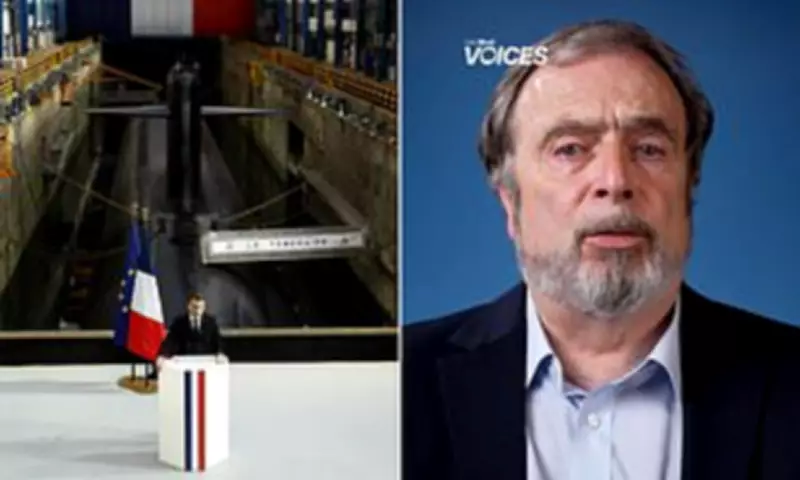
In a stark demonstration of national sovereignty, President Emmanuel Macron has showcased France's fully independent nuclear deterrent, a system that is French-designed, built, and controlled. This move has drawn sharp attention to Britain's contrasting reliance on American weapons for its own nuclear capabilities, sparking a critical debate about the future of UK defence strategy.
The French Model of Nuclear Autonomy
France's nuclear deterrent stands as a testament to its commitment to strategic autonomy. Unlike the UK, which depends on American technology and components, France has invested heavily in developing and maintaining a homegrown nuclear arsenal. This independence allows France to make unilateral decisions regarding the deployment and use of its nuclear weapons, free from external influence.
Britain's Dependence on American Weapons
In contrast, Britain's nuclear deterrent, primarily based on the Trident system, relies on American-made missiles and support infrastructure. This dependence raises significant questions about the UK's ability to act independently in times of crisis. Critics argue that this reliance undermines the very purpose of having a nuclear deterrent, as it may limit Britain's freedom to use it when deemed necessary.

The core issue at hand is whether Britain's nuclear deterrent can be considered truly independent. With France demonstrating a clear path to autonomy, pressure is mounting for the UK to reassess its defence posture. The debate centres on the immense financial investment required to maintain nuclear capabilities and whether this expenditure is justified if operational control is shared or constrained by foreign alliances.
Call for a Truly Independent UK Deterrent
Advocates for change argue that it is time for Britain to think seriously about developing a nuclear deterrent that is real and truly independent. They question the logic of spending billions on a system that may not be fully usable in critical moments due to reliance on American approval or technology. This sentiment echoes broader concerns about national security and sovereignty in an increasingly volatile global landscape.
The display by Macron serves as a catalyst for this discussion, highlighting the strategic advantages of self-sufficiency in defence. As geopolitical tensions rise, the ability to act without external constraints could become a decisive factor in national security. The UK must now weigh the costs and benefits of pursuing greater independence in its nuclear arsenal against the backdrop of existing alliances and technological challenges.
Ultimately, the debate sparked by Macron's actions underscores a fundamental question: what is the point of maintaining an immensely expensive nuclear deterrent if its use is potentially limited by dependencies on foreign powers? This issue is likely to remain at the forefront of defence policy discussions in the coming years, as Britain navigates its role on the world stage.