

High Court Strikes Down Palestine Action Proscription as Unlawful
The High Court delivered a significant ruling last week, declaring the British government's proscription of the activist group Palestine Action unlawful and disproportionate. This landmark decision marks the first successful legal challenge to such a ban in the UK, dealing a blow to ministerial authority over protest regulation.
Judicial Rebuke of Government Overreach
While the bench explicitly rejected Palestine Action's characterization of its activities as Gandhian civil disobedience, and acknowledged that some incidents involved serious property damage meeting the technical definition of terrorism, the judges emphasized a crucial distinction. They stated unequivocally that existing criminal law "is available to prosecute those concerned," rendering the terror designation unnecessary and excessive.
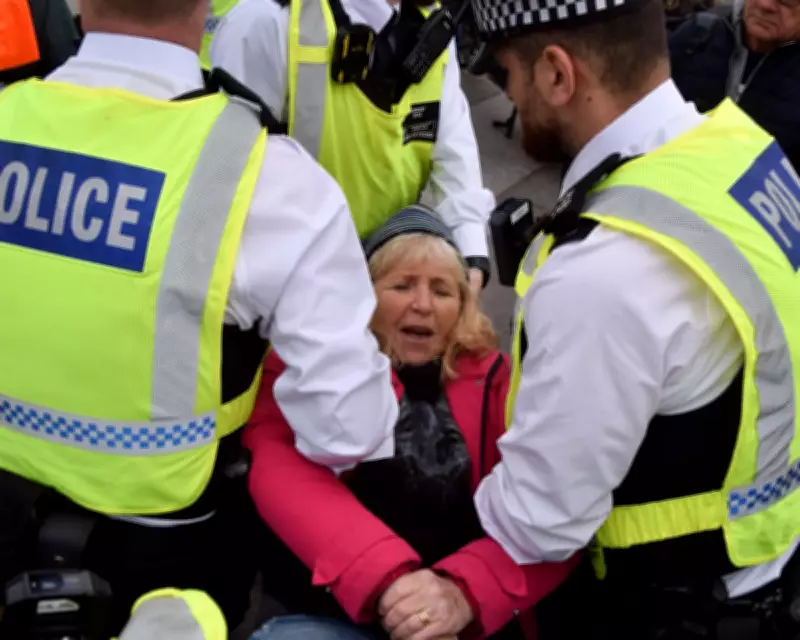
The court found that proscription constituted disproportionate interference with fundamental rights to freedom of expression and assembly. The ban not only penalized specific acts but criminalized membership in Palestine Action and even vocal support for the group. This led to the arrest of over 2,700 individuals, primarily for displaying placards, with more than 500 facing charges.

Government's Flawed Legal Strategy
The judges determined that then Home Secretary Yvette Cooper exceeded her discretionary powers without lawful justification, despite Parliament granting authority to proscribe groups. The government has announced its intention to appeal, and the ban remains temporarily in effect. However, the Metropolitan Police's cessation of protester arrests suggests skepticism about the appeal's prospects for success.
Ministers may argue for judicial deference to Parliament on national security grounds, but the court noted that deference operates reciprocally—judges respect security assessments but not governmental overreach. This ruling underscores that ministers cannot ban every organization meeting the terror threshold merely for "significant disruptive benefits."
Historical Context and Political Implications
The decision invites comparison to past protest cases. In 2003, activists who sabotaged equipment at RAF Fairford to oppose the Iraq War faced criminal damage charges rather than terrorism allegations. Courts treated them as protesters, resulting in light sentences or acquittals. Notably, one defense barrister in that case was Keir Starmer, now Prime Minister.
Contrastingly, Starmer's government moved swiftly to proscribe Palestine Action after activists breached RAF Brize Norton last summer, splashing aircraft with red paint. This group aims to disrupt UK factories allegedly supplying the Israeli military, highlighting Gaza's civilian casualties and Britain's role in what many deem genocide. The proscription carried severe penalties, including potential 14-year prison terms for supporters—a punishment previously reserved for groups like al-Qaida and neo-Nazis advocating terror and murder.
Critics argue that juries often sympathize with conscientious protesters, particularly on contentious issues like Gaza, suggesting the ban was a strategic move to circumvent public sentiment. For a leader frequently championing the rule of law, this approach appears legally dubious and politically expedient.






