
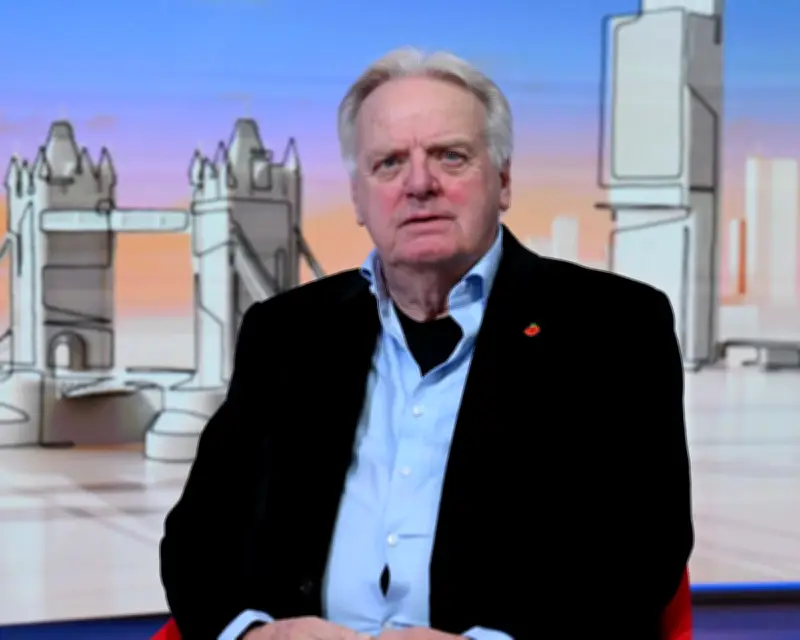
Former BBC director general Michael Grade has called for an outright ban on politicians presenting the Radio 4 Today programme, warning that the practice undermines the broadcaster's impartiality and risks normalising political bias in news coverage.
Grade's Intervention
Writing in the Guardian, Grade argued that allowing sitting MPs or political figures to host flagship news programmes blurs the line between journalism and political advocacy. He said the BBC must "draw a clear red line" to protect its reputation for balanced reporting.
Grade's comments come amid growing scrutiny of GB News, which has faced criticism for employing Conservative MPs as presenters. He warned that the BBC could face similar erosion of trust if it continues to let politicians guest-edit or present programmes such as Today.
Impact on Impartiality
According to Grade, the presence of politicians in the presenter role creates a conflict of interest, as they may use the platform to advance partisan agendas. He cited examples where politicians have interviewed colleagues or opponents, effectively acting as both participant and moderator.
"The BBC's impartiality is its greatest asset," Grade wrote. "Allowing politicians to present the Today programme risks turning news interviews into political theatre." He urged the corporation to adopt a strict policy barring any elected official from presenting news or current affairs output.
Broader Debate on Media Bias
The intervention adds to the ongoing debate about media regulation and political influence in broadcasting. Ofcom, the UK's media regulator, has previously warned broadcasters about maintaining due impartiality, particularly on news channels like GB News.
Grade's proposal would apply to all politicians, regardless of party affiliation, and would extend to former politicians as well. He argued that the BBC should lead by example in an era of increasing polarisation and misinformation.
Reactions and Implications
The BBC has not formally responded to Grade's suggestion, but insiders suggest the corporation is unlikely to impose a blanket ban, preferring to rely on existing editorial guidelines. However, Grade insists that voluntary codes are insufficient and that a clear rule is necessary to prevent mission creep.
If implemented, the ban would affect programmes like the Today programme, which has occasionally featured politicians as guest editors or presenters during special segments. Grade believes that even temporary roles can compromise the BBC's independence.




