Labor's Controversial Hate Speech Legislation Faces Scrutiny Over Democratic Principles
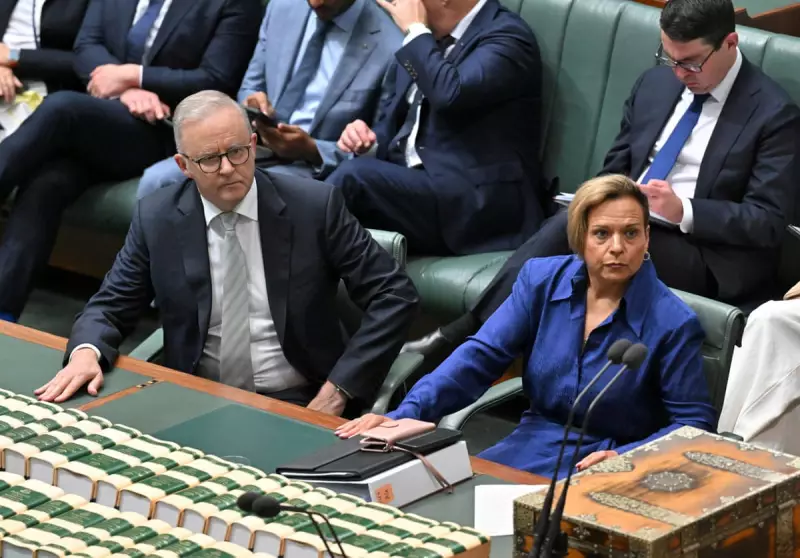
Prime Minister Anthony Albanese and Communications Minister Michelle Rowland have found themselves at the centre of a significant political controversy following parliamentary votes on amendments to the government's contentious hate speech legislation. The proposed laws, intended to address community division and hatred, have instead sparked widespread concern among civil liberties advocates and legal experts who argue they represent a dangerous overreach that could fundamentally undermine Australia's democratic foundations.
Community Resilience Contrasted With Political Leadership
The Australian response to the tragic Bondi terror attack demonstrated the remarkable strength and compassion inherent within the nation's communities. Ordinary citizens and emergency personnel alike displayed extraordinary courage, running toward danger to protect others, while the subsequent outpouring of grief and solidarity revealed the deep bonds that connect Australians during times of crisis. This collective greatness, however, has not been matched by political leadership at either state or federal levels according to critics of the new legislation.
Timothy Roberts, President of the NSW Council for Civil Liberties, argues that Australia deserves principled leadership that reflects this community courage and imagination. Instead, he suggests the Albanese government has enacted laws that erode key democratic principles, potentially damaging community cohesion and public trust in political institutions at precisely the moment when strong, values-based leadership is most needed.

Legislative Process and Democratic Safeguards Questioned
From their initial proposal, the federal government's hate speech laws presented what many considered significant risks to fundamental freedoms including political communication, speech, association, and religious expression. The subsequent inquiry process, which allowed merely three days for public consultation, has been characterised as an exercise in bad faith that prevented civil society organisations from providing substantive criticism of the government's proposals.
Although the government eventually retreated from some of the most controversial components relating to speech and religion, it then proposed even more regressive measures concerning political communication and association, this time with Coalition support. This legislative approach has raised serious questions about the government's commitment to proper democratic process and meaningful consultation.
Expansion of Executive Power and Legal Ambiguity
At a time when international observers express concern about executive overreach in other democracies, the Albanese government has significantly expanded the powers of the Home Affairs Minister, ASIO, and the Australian Federal Police to designate which groups constitute hate organisations under the new legislation. This concentration of authority in executive agencies, without adequate checks and balances, represents a concerning development according to legal experts.
Perhaps most troubling is the legislation's apparent vagueness. Attorney General Michelle Rowland herself struggled to clearly explain what specific conduct the laws would capture when questioned, including whether protesters criticising the Israeli government's actions might potentially violate the new provisions. This legal ambiguity creates significant problems for democratic participation, as citizens cannot reasonably comply with laws they cannot understand, while law enforcement agencies receive dangerously broad discretion in their application.
The Rule of Law and Community Cohesion at Stake
Roberts emphasises that genuine community peace requires robust protections for fundamental freedoms. While no reasonable person desires more hatred within Australian society, poorly conceived legislation that undermines the rule of law and responsible government may ultimately exacerbate the very divisions it purports to address. The current laws risk creating a chilling effect on legitimate political discourse while concentrating excessive power in executive agencies.

The debate surrounding these hate speech provisions highlights a crucial tension in contemporary Australian politics: how to address genuine social harms while preserving the democratic principles and freedoms that define the nation's way of life. As this controversy continues to unfold, it raises fundamental questions about legislative process, executive authority, and the proper balance between security and liberty in a democratic society facing complex challenges.