Venezuelan Mother's Self-Deportation Struggle Exposes Immigration System Challenges
A Venezuelan mother and her two young children were trapped in bureaucratic limbo for weeks, unable to voluntarily leave the United States due to paperwork complications that highlight systemic issues within immigration procedures. Yelitza Perez, a 29-year-old mother, found herself navigating a complex web of requirements after her husband was deported to Venezuela earlier this year, leaving her desperate to avoid forced removal by immigration authorities.
Failed Attempts and Missing Documentation
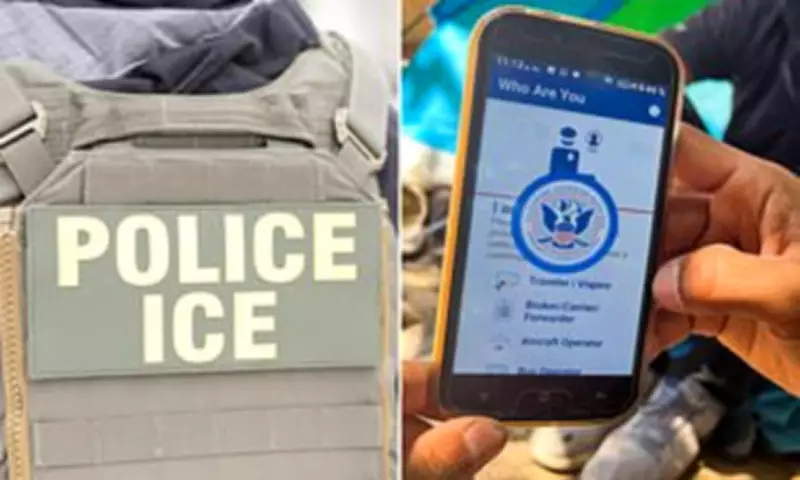
Perez explored multiple avenues to arrange her voluntary departure, including registering with the Customs and Border Protection mobile application designed specifically for migrants wishing to inform officials of their intention to leave the country. This program offers financial incentives of up to $3,000 to encourage voluntary returns, but Perez never received concrete guidance or confirmation about the proper procedures.
In March, she attempted to board a flight from Miami International Airport back to Venezuela with her children, but was denied boarding due to missing a crucial document. Venezuelan citizens without valid passports require a government-issued 'safe pass' to exit the country, which Perez lacked at that time. Her passport had been surrendered five years earlier when she initially crossed the southern border into the United States.

Overcoming Bureaucratic Hurdles
After identifying the required documentation, Perez's husband assisted her in obtaining the necessary safe pass from Venezuela. This breakthrough finally allowed the family to proceed with their departure plans. Over the weekend, Perez returned to Miami International Airport with her one-year-old daughter Ixchel and nine-year-old daughter Paola, successfully boarding a flight to their home country.
'Thank you, God,' Perez expressed in a video recorded during boarding and shared with CBS News. She emphasized that her situation was not unique, stating, 'I wasn't the only one… there are many Venezuelans in limbo.' Her experience reflects a broader pattern affecting Venezuelan migrants who surrendered passports upon entering the United States, creating additional complications for voluntary departure.
Broader Context of Venezuelan Migration
Perez represents one of more than 600,000 Venezuelans who entered the United States during the Biden administration, with most receiving Temporary Protected Status due to humanitarian and economic crises under the Maduro regime. The Trump administration's removal of Maduro from power and subsequent immigration crackdowns prompted many Venezuelans to consider returning home, but they frequently encounter bureaucratic obstacles stemming from rapid policy shifts.
The Department of Homeland Security has reported that between 1.9 million and 2.2 million undocumented immigrants have voluntarily self-deported, citing financial incentives as a contributing factor. However, independent analyses challenge these figures, pointing to significant bureaucratic barriers that prevent many migrants from completing voluntary departure processes.
Discrepancies in Self-Deportation Statistics
The Center for Migration Studies estimates the actual number of self-deportees is closer to 200,000, substantially lower than official claims. Furthermore, an internal Department of Homeland Security document reviewed by CNN revealed that only approximately 72,000 undocumented immigrants have received stipends intended to encourage voluntary departure, with most recipients already in Immigration and Customs Enforcement detention facilities.
These discrepancies highlight the gap between policy intentions and practical implementation, as bureaucratic complexities continue to hinder migrants seeking lawful pathways for return. Perez's eventual success in navigating these challenges underscores both the perseverance required and the systemic reforms needed within immigration administration frameworks.